As an Amazon Associate, I earn from qualifying purchases at no extra cost to you.
6 Best Microwave Ovens (Buying Guide) 2026
 ByZayyan

Picking a microwave sounds simple until you’re standing in front of 40 options online, confused about watts, sizes, and features. You just want something that heats your food fast and doesn’t take up half your counter. In this article I will show you the top 6 best microwave ovens worth buying right now, with honest reviews for every budget.



Top 6 Best Microwave Ovens You Can Buy Now
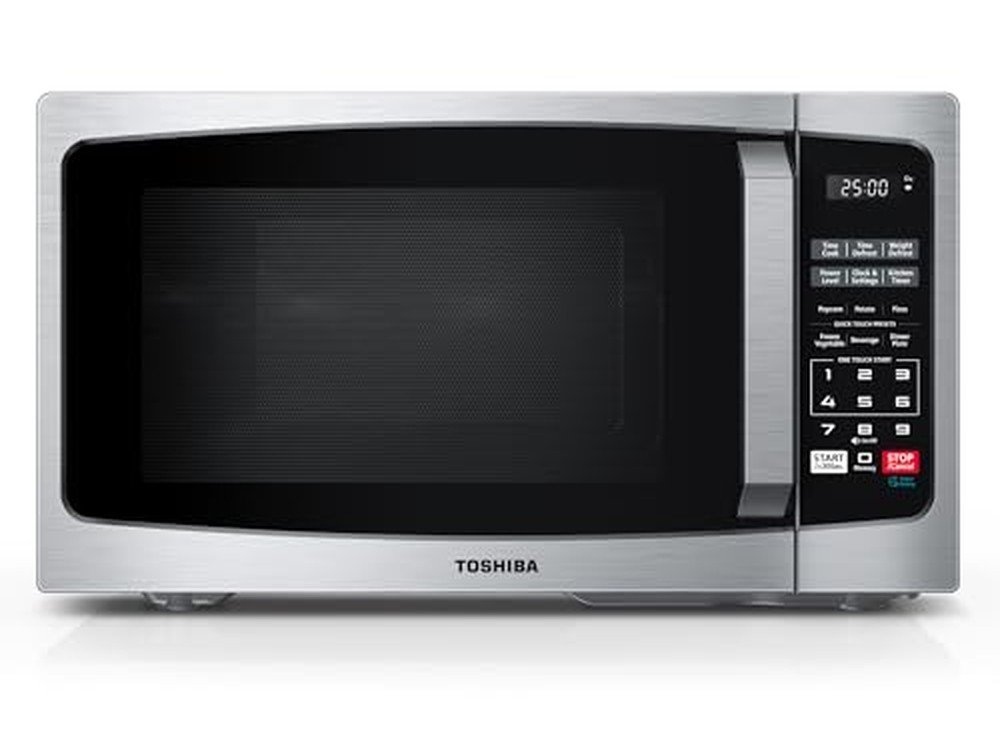
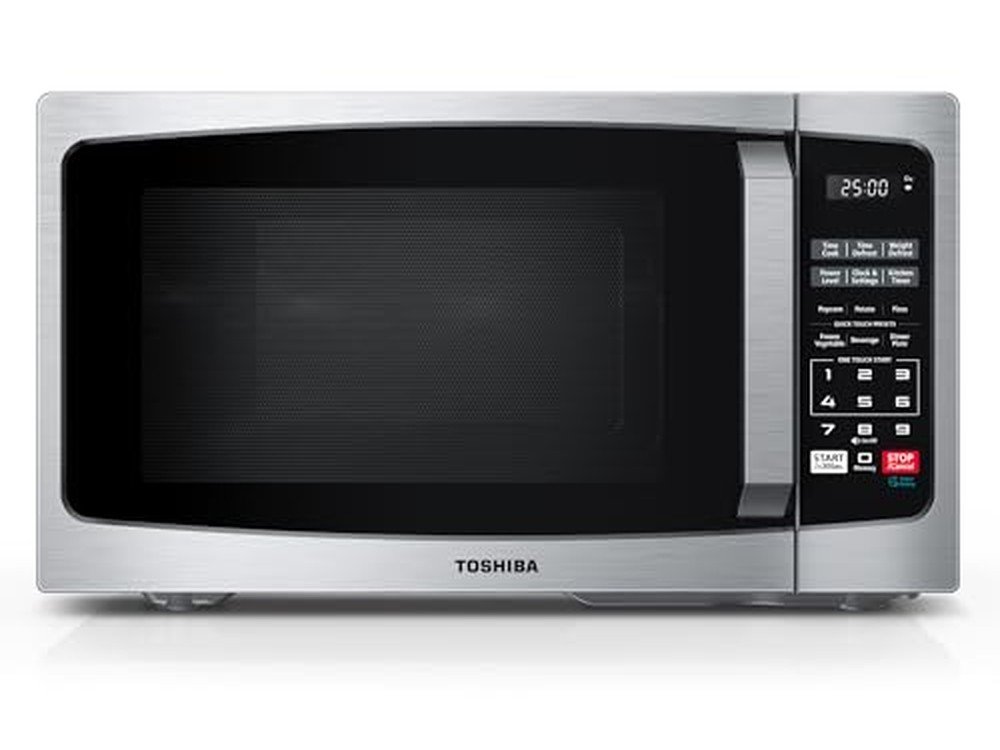
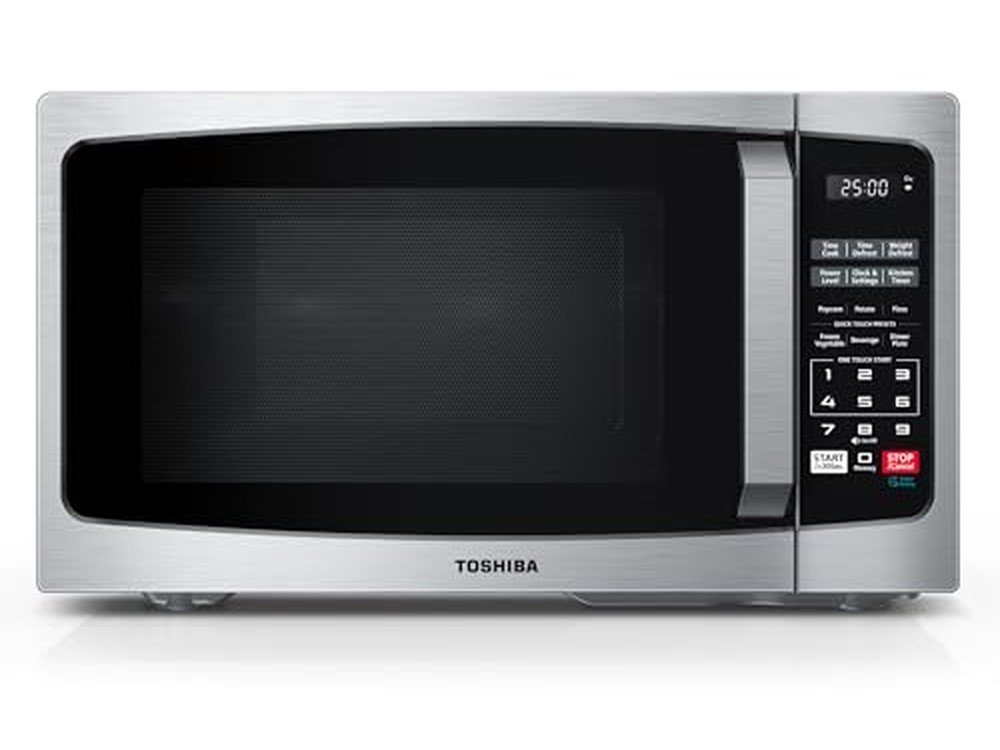
TOSHIBA EM131A5C-BS Countertop Microwave – Best Overall Pick
The Toshiba EM131A5C-BS is one of those microwaves that just works. No fuss, no learning curve. You plug it in, set the time, and your food is hot. It runs at 1100 watts, which is solid power for a countertop model. Things heat evenly and fast.
The interior is 1.2 cubic feet with a stainless steel finish inside. That matters because stainless is easier to wipe clean than painted surfaces. The cavity also has a built-in light, so you can actually see what’s happening inside without opening the door every 30 seconds.
One feature that stands out is the smart humidity sensor. It detects moisture levels while cooking and auto-adjusts the time. So if you’re reheating pizza or cooking a bag of frozen veggies, you don’t have to babysit it. The microwave figures it out for you.
It also has 12 preset cooking modes, a one-touch start for popcorn and beverages, and a sound on/off option. That last one is a gift if you live with people who hate the beeping. Great size, great power, great value. Hard to beat at this price.
- Wattage: 1100W
- Capacity: 1.2 cu. ft.
- Best for: Everyday cooking and families
- Standout feature: Smart humidity sensor
- Interior: Stainless steel
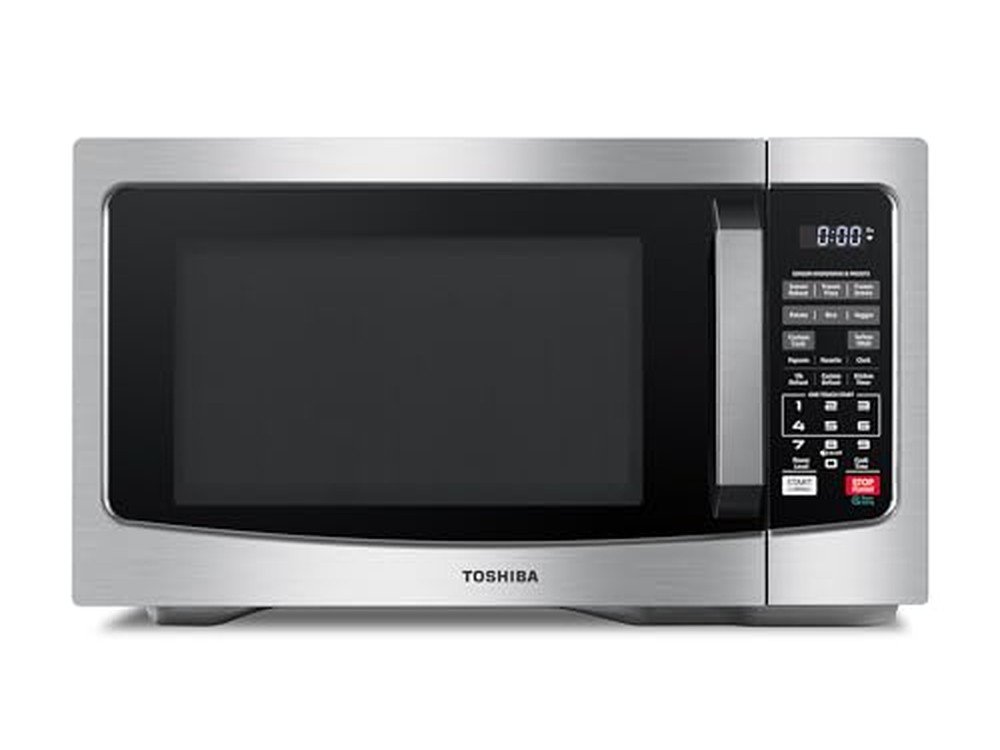
Panasonic NN-SN686S Microwave Oven – Best for Even Cooking
Panasonic has been making microwaves for a long time. The NN-SN686S shows why they’re still trusted. It uses Inverter Technology, which is a big deal. Most microwaves just blast food at full power and then cut off. Panasonic’s inverter delivers a steady, consistent stream of energy instead.
What that means for you is no more cold spots in the middle of your leftovers. No more rubbery edges on reheated chicken. The food heats through evenly, edge to edge. That’s actually rare in a countertop microwave and it makes a real difference day to day.
This model runs at 1200 watts and has a 1.2 cubic foot capacity. It has a Turbo Defrost mode that defrosts faster than standard settings, without starting to cook the outside while the inside stays frozen. If you cook a lot of meat or frozen meals, that alone is worth it.
It also has 14 preset auto cook menus, a child safety lock, and a keep warm function. The control panel is clean and easy to read. The build feels solid, not cheap. If you care about food quality and not just speed, the Panasonic is the one to get.
- Wattage: 1200W
- Capacity: 1.2 cu. ft.
- Best for: Even reheating, meat, frozen meals
- Standout feature: Inverter Technology for consistent heat
- Extra: Turbo Defrost
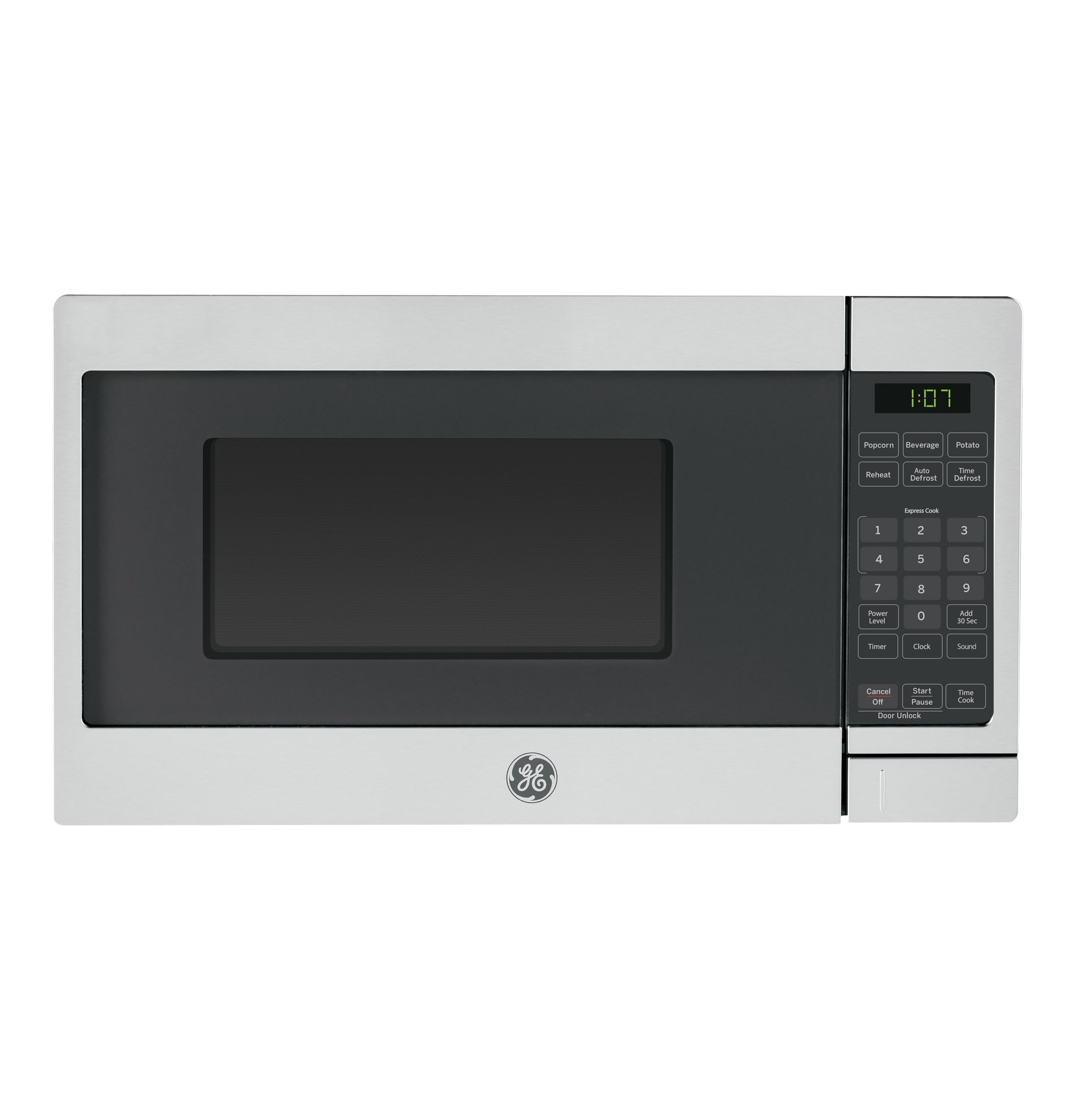
GE 700-Watt Compact Countertop Microwave – Best for Small Spaces
Not everyone needs a massive microwave. If you’re in a dorm, a studio apartment, or just don’t cook much, the GE GCST07N1WSS is exactly what you need. It’s compact, light, and takes up very little counter space. But it still gets the job done.
At 700 watts, it’s lower power than the others on this list. That’s fine for reheating coffee, warming soup, or heating up a small snack. It won’t cook a full chicken, but that’s not what it’s built for. It’s built for people who just need the basics covered quickly and quietly.
The capacity is 0.7 cubic feet, which fits a standard dinner plate with no issue. The controls are simple, just a dial and a few buttons. No complicated menus, no confusing presets. You set the time, you press start. Done. That simplicity is actually a feature for people who just want things to work.
It also has a child lock and a built-in kitchen timer. The stainless exterior looks clean and modern. GE backs it with solid customer support too, which matters when something goes wrong. If your kitchen is tight on space and you don’t need fancy features, this is your pick.
- Wattage: 700W
- Capacity: 0.7 cu. ft.
- Best for: Small kitchens, dorms, light users
- Standout feature: Ultra-compact size
- Extra: Child lock, kitchen timer
BLACK+DECKER EM720CB7 Digital Microwave – Best Budget Buy
If you’re watching your budget but still want something decent, the BLACK+DECKER EM720CB7 is hard to argue with. It’s affordable, it’s functional, and it won’t embarrass you. For a first apartment or a secondary microwave for the office, it checks most of the boxes.
It runs at 700 watts and has a 0.7 cubic foot capacity. Similar to the GE in size, but the BLACK+DECKER leans more into preset options. It has 6 preset cooking functions covering things like popcorn, potatoes, pizza, frozen veggies, beverages, and dinner plates. You just press one button and it handles the timing.
The push-button door is smooth and satisfying. The interior is a white finish, which is easy to see stains on, but also easy to wipe down. The turntable is removable for cleaning, which is a detail a lot of budget microwaves skip. Glad BLACK+DECKER included it.
One honest note: at 700 watts, heating bigger portions takes longer. And the timer doesn’t go past 99 minutes, though that’s rarely a real issue. But for the price, you’re getting a reliable machine that will last you years without complaints. A smart buy when money is tight.
- Wattage: 700W
- Capacity: 0.7 cu. ft.
- Best for: Budget buyers, first apartments, offices
- Standout feature: 6 one-touch preset functions
- Extra: Removable turntable for easy cleaning
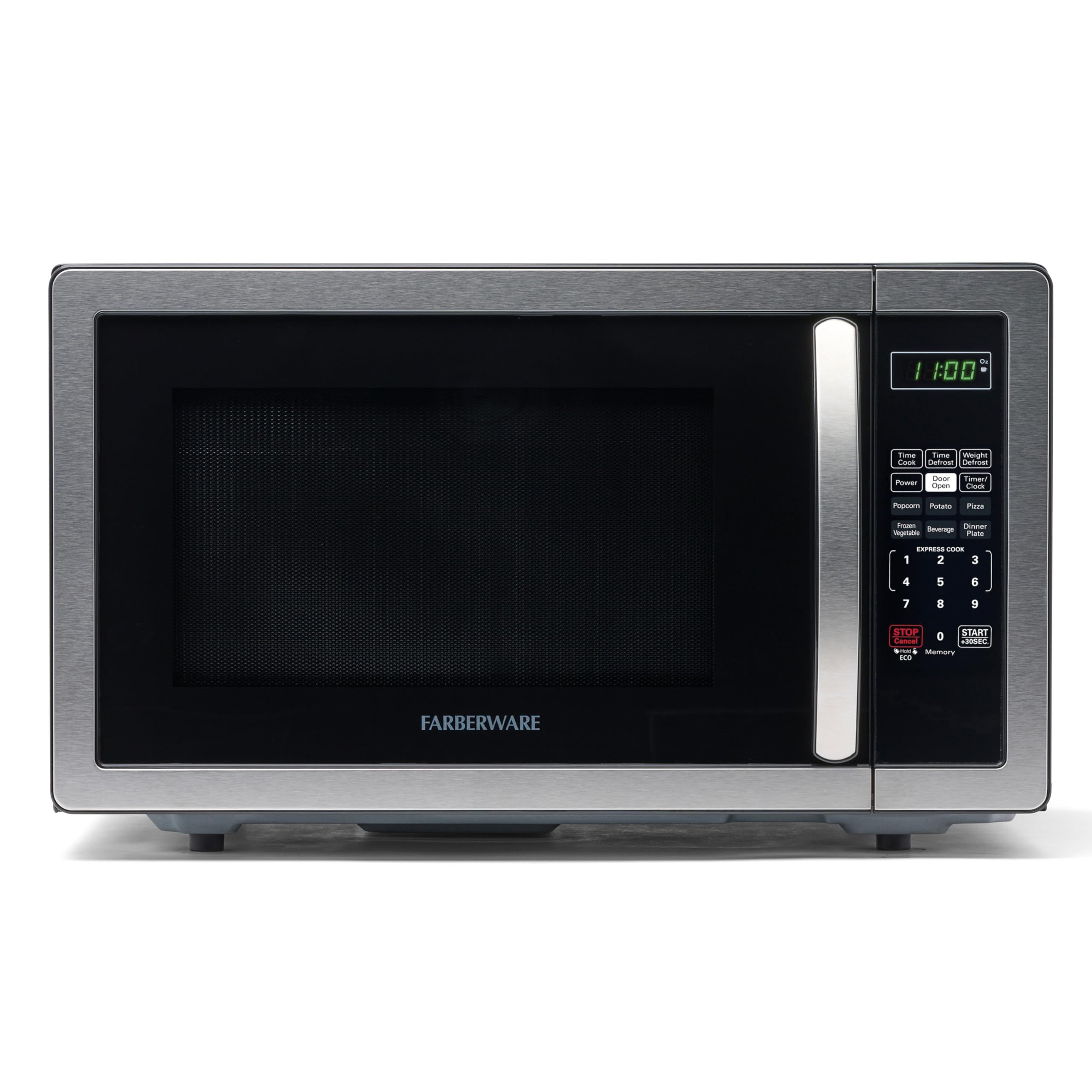
Farberware 1000-Watt Countertop Microwave – Best Mid-Range Option
The Farberware FMO11AHTBKB sits right in the sweet spot. Not too big, not too small. Not too cheap, not overpriced. If you want solid performance without spending top dollar, this is where most people should land. It’s the microwave that just makes sense.
It runs at 1000 watts with a 1.1 cubic foot interior. That gives you enough power for everyday meals, batch reheating, and cooking small dishes from scratch. The interior is stainless steel, which holds up better over time and looks cleaner than painted alternatives. Good call by Farberware.
There are 12 cooking presets built in, including settings for popcorn, pizza, pasta, and more. It also has a multi-stage cooking function, so you can program it to defrost first and then cook automatically. That’s a feature you usually see in more expensive models. Nice surprise here.
The design is clean and modern with a digital display. The door has a sturdy handle and opens with a satisfying click. If you’re cooking for a family or you use your microwave daily, 1000 watts hits the right balance. You get speed, capacity, and smart features without overpaying.
- Wattage: 1000W
- Capacity: 1.1 cu. ft.
- Best for: Families, daily use, value seekers
- Standout feature: Multi-stage cooking
- Interior: Stainless steel
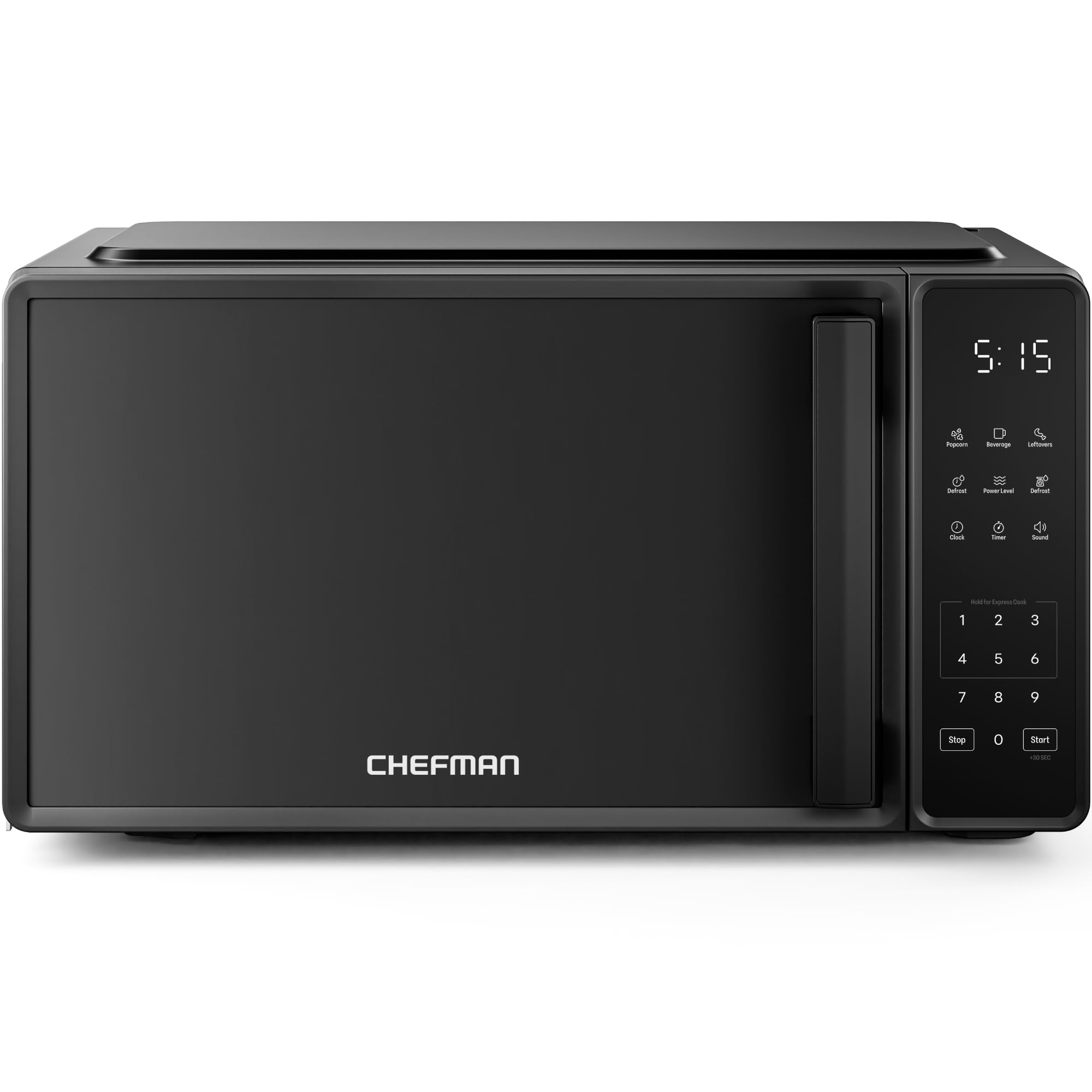
Chefman 700-Watt Countertop Microwave – Best for Beginners
The Chefman microwave is built for people who don’t want to think too hard. And that’s not a bad thing. Sometimes you just want a microwave that’s easy to use, easy to understand, and gets out of your way. This one does exactly that.
At 700 watts and 0.7 cubic feet, it’s compact and light. Easy to move around, easy to place on any counter. The controls are touch-based with a digital display. It’s clean, minimal, and honestly a bit stylish for a budget appliance. Looks better than most at this price.
It has one-touch cooking options for popular foods like popcorn, pizza, and beverages. The 30-second quick start is great for reheating. Just press it once for 30 seconds, again for another 30. No setting times, no pressing start separately. Fast and intuitive, especially if you’re new to cooking on your own.
The door is push-button style with a smooth, easy open. There’s a mute option for the beeping too, which is always appreciated. Chefman is a newer brand but has earned strong reviews for reliability and customer service. If you’re buying your first microwave or setting up a small space, this is a calm, easy choice.
- Wattage: 700W
- Capacity: 0.7 cu. ft.
- Best for: Beginners, small spaces, minimalist users
- Standout feature: Simple one-touch controls
- Extra: 30-second quick start, sound mute
I hope this guide helped you cut through the noise and find the right microwave for your kitchen. If you want power and smart features, go with the Toshiba or Panasonic. Tight on space or budget? The GE, BLACK+DECKER, or Chefman all do the job well. The Farberware is perfect if you want the middle ground. Pick the one that fits your life, not the most expensive one.
| Product | Wattage | Capacity | Best For | Standout Feature |
|---|---|---|---|---|
| Toshiba EM131A5C-BS | 1100W | 1.2 cu. ft. | Overall best pick | Humidity sensor |
| Panasonic NN-SN686S | 1200W | 1.2 cu. ft. | Even cooking | Inverter Technology |
| GE GCST07N1WSS | 700W | 0.7 cu. ft. | Small spaces | Ultra-compact design |
| BLACK+DECKER EM720CB7 | 700W | 0.7 cu. ft. | Budget buyers | 6 preset functions |
| Farberware FMO11AHTBKB | 1000W | 1.1 cu. ft. | Daily family use | Multi-stage cooking |
| Chefman B0DY95T5HB | 700W | 0.7 cu. ft. | Beginners | One-touch simplicity |
Things to Consider Before Buying a Microwave Oven: A Complete Buying Guide 2026
Buying a microwave feels like it should be easy. You walk in, pick one, done. But then you’re staring at a wall of options with different wattages, sizes, and features, and suddenly you’re not sure what any of it means for your actual kitchen.
The things to consider before buying a microwave oven go beyond just picking the cheapest one that fits your counter. Get the wrong one and you’ll either run out of space, wait forever for food to heat, or pay for features you never use. This guide covers exactly what matters, so you walk away confident.
1. Wattage: How Powerful Does It Really Need to Be?
Wattage is the first thing most people ignore and the first thing they regret ignoring. It controls how fast and how evenly your food heats. Low wattage means longer cook times and more cold spots. Simple as that.
A 700W microwave works fine if you mostly reheat coffee, make popcorn, or warm up small snacks. But if you cook actual meals, defrost meat regularly, or heat larger portions, you need at least 1000W. The Toshiba EM131A5C-BS, for example, runs at 1100W and handles everyday cooking without breaking a sweat.
The sweet spot for most households is between 900W and 1200W. Anything below 700W will frustrate you quickly. Anything above 1200W is mostly for commercial use. So unless you’re running a small restaurant out of your kitchen, stick to that range.
- 700W: Good for light users, dorms, offices
- 900-1000W: Best for average home cooking
- 1100-1200W: Fast, even heating for daily family use
- Above 1200W: Commercial grade, rarely needed at home
2. Size and Capacity: Measure Before You Buy
Counter space is real estate. People underestimate how much room a microwave actually takes up until it’s already sitting on their counter blocking a cabinet. Always measure your available space before buying anything.
Capacity is measured in cubic feet. A 0.7 cu. ft. model fits a standard dinner plate and handles solo meals easily. If you’re cooking for a family or using larger dishes, go for 1.1 to 1.2 cu. ft. Anything beyond 1.5 cu. ft. starts to feel like a commercial unit in a home kitchen.
Also think about the turntable size. A larger interior means a larger turntable, which lets you rotate bigger bowls or casserole dishes without them hitting the walls. That sounds minor until you’re trying to heat a large mixing bowl and it keeps stopping mid-spin.
- Measure your counter space first, width and height
- 0.7 cu. ft.: Solo users, tight spaces, dorms
- 1.1-1.2 cu. ft.: Families, daily cooking, larger plates
- Check turntable diameter before buying for big dishes
3. Microwave Type: Countertop, Over-the-Range, or Built-In?
Most people only think about countertop microwaves. But there are three main types, and the right one depends on your kitchen setup, not just your budget.
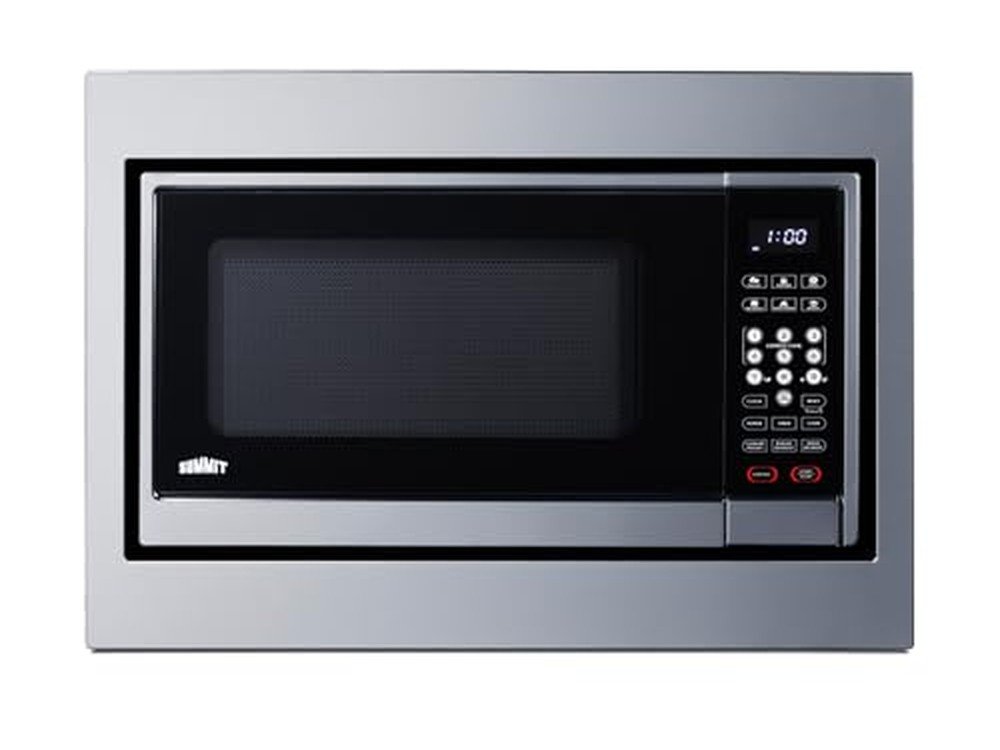
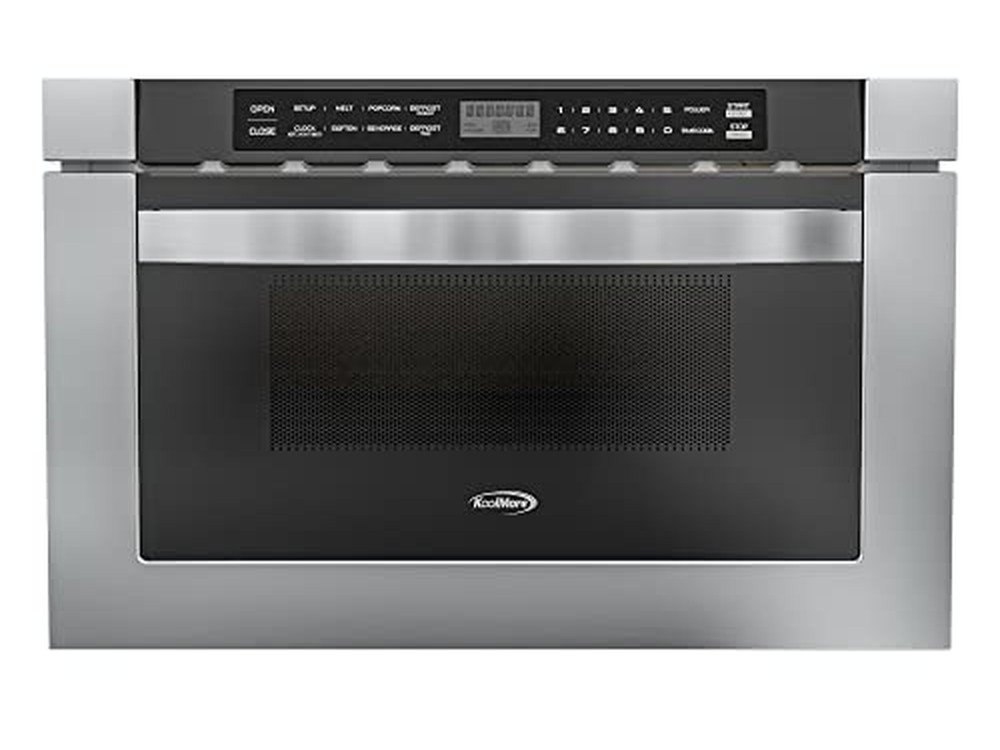
Countertop models are the most common and the most flexible. You can move them, replace them easily, and they don’t require installation. Over-the-range microwaves mount above your stove and double as a range hood, which saves counter space but needs professional installation. Built-in microwaves go inside cabinetry and look sleek, but they cost more and are harder to replace.
If you rent your home or move often, countertop is the obvious choice. If you own your home and want a clean, permanent kitchen setup, over-the-range or built-in makes more sense. Just remember that installation costs money and adds complexity.
- Countertop: Portable, affordable, easy to replace
- Over-the-range: Saves counter space, doubles as a vent hood
- Built-in: Clean look, permanent, higher cost
- Renters should almost always choose countertop
4. Key Features: What’s Actually Useful vs. What’s Just Marketing?
Microwaves come loaded with features now. Some are genuinely useful. Others are just there to make the box look impressive on a shelf. Knowing the difference saves you money.
Sensor cooking is one of the features actually worth paying for. It detects steam and moisture from your food and stops cooking at the right time automatically. No more dried-out leftovers or rubbery chicken. Inverter technology, like in the Panasonic NN-SN686S, is another real one. It delivers steady power instead of pulsing on and off, which means food heats evenly every time.
Child lock, a mute button for the beeping, and a quick-start button are small features that matter a lot in daily life. Pre-programmed settings for popcorn or pizza are convenient but not game-changers. Multi-stage cooking, where the microwave defrost first then cooks automatically, is genuinely handy if you cook from frozen regularly.
- Sensor cooking: Worth it, stops food from overcooking
- Inverter technology: Worth it, even heat distribution
- Child lock and mute button: Underrated, very useful
- Fancy display screens and voice prompts: Usually just marketing
5. Energy Efficiency: The Cost You Don’t See at Checkout
The price tag on a microwave is what you pay once. Your electricity bill is what you pay every month. Most people skip thinking about energy efficiency entirely, and that’s a mistake over the long run.
Higher wattage doesn’t always mean higher energy use. It often means faster cooking, which actually uses less energy overall because the cook time is shorter. A 1100W microwave that heats food in 2 minutes can use less electricity than a 700W microwave that takes 4 minutes for the same result. The math works out in favor of higher wattage units.
Look for microwaves with an eco mode or low standby power. Some models draw a surprising amount of power just sitting idle with the clock running. If you’re energy-conscious, check the annual energy consumption listed on the product specs. It’s usually listed in kWh and gives you a real picture of long-term costs.
- Higher wattage often means shorter cook times and less energy used
- Check standby power draw, some microwaves waste electricity at idle
- Look for eco mode or energy-saving settings
- Annual kWh usage is listed in specs, check it before buying
6. Brand Reliability and Warranty: Don’t Overlook This Part
A microwave that breaks in 18 months is not a deal. It’s a cost. Brand reputation and warranty coverage matter more than most buyers realize, especially when you’re buying online without being able to inspect the unit in person.
Brands like Panasonic, Toshiba, and GE have long track records in kitchen appliances. They stand behind their products with responsive customer support and replacement parts that are actually available. Newer brands can be good too, but do a quick search on their customer service reputation before committing. One bad support experience after a broken unit will make you wish you spent the extra $20.
Warranty terms vary a lot. Most countertop microwaves come with a one-year limited warranty. Some brands offer separate coverage on the magnetron, which is the most expensive part to replace. Always read the warranty terms, not just the length. A one-year warranty that covers parts and labor is worth more than a two-year warranty that only covers manufacturing defects.
- Stick to brands with proven track records and available parts
- Check customer service reviews, not just product reviews
- Look for magnetron-specific warranty coverage
- One year is standard, but terms matter more than length
I hope thinking through these things to consider before buying a microwave oven saves you from a purchase you’ll regret. The right microwave is out there. You just need to match it to your actual habits, your kitchen size, and your cooking needs. Take five extra minutes before clicking buy. Future you will appreciate it.
| Factor | What to Check | Ideal Range | Watch Out For |
|---|---|---|---|
| Wattage | Power output listed in specs | 900W to 1200W for home use | Anything below 700W for daily cooking |
| Capacity | Interior size in cubic feet | 1.0 to 1.2 cu. ft. for families | Buying large without measuring counter first |
| Type | Countertop, over-the-range, or built-in | Countertop for renters and flexibility | Over-the-range without budgeting for installation |
| Key Features | Sensor cooking, inverter tech, child lock | Sensor cooking + inverter if budget allows | Paying extra for gimmick features you won’t use |
| Energy Efficiency | Standby power draw and annual kWh | Low idle draw, eco mode available | High standby consumption on budget models |
| Brand and Warranty | Manufacturer reputation and warranty terms | 1-year minimum, magnetron coverage a plus | Vague warranty language that excludes parts and labor |
Frequently Asked Questions (FAQs)
Is it worth buying a higher wattage microwave?
Yes, usually. Higher wattage means faster, more even heating. A 1100W or 1200W microwave will heat food noticeably quicker than a 700W model. If you cook frequently or heat larger portions, the time savings add up. For light users, though, 700W is perfectly fine for warming drinks, popcorn, and small meals without any trouble.
Is it safe to run a microwave with nothing inside?
No, you should never run a microwave empty. Without food or water to absorb the microwaves, the energy reflects back into the magnetron, which is the part that generates the waves. This can damage or destroy it quickly. Even a cup of water inside protects the machine. Always keep something in there before pressing start.
Can I use metal containers in these microwaves?
No. Never put metal in a microwave, including aluminum foil, stainless steel bowls, or containers with metallic rims. Metal reflects microwaves and can cause sparks, which damages the appliance and is a fire risk. Use microwave-safe glass, ceramic, or plastic containers instead. Most packaging will say “microwave safe” if it’s okay to use.
Can I reheat pizza in a countertop microwave without it getting soggy?
Yes, but there’s a trick. Put a small cup of water next to the pizza slice while microwaving. The steam from the water keeps the crust from getting too rubbery or chewy. Also, use 50% power and heat in short bursts of 30 to 45 seconds. It takes a little longer but the result is way better than blasting it at full power.
Do I need special features like sensor cooking or inverter technology?
Not everyone does. But if you reheat food regularly and hate cold spots or dried-out edges, these features are genuinely useful. Sensor cooking stops the microwave at the right time automatically. Inverter technology keeps heat steady instead of pulsing on and off. Both make reheated food taste closer to freshly cooked. Worth it if food quality matters to you.
Is it okay to microwave food in plastic containers?
Only if the container says “microwave safe” on the bottom. Some plastics release chemicals when heated, which you don’t want near your food. Glass and ceramic are always the safer choice. If you microwave a lot of leftovers, investing in a set of glass containers with lids is a smart move. They last longer and you never have to guess if they’re safe.
Can I defrost meat safely using these microwaves?
Yes, most of these models have a dedicated defrost setting. The key is to use it properly. Set the weight of the meat, let the microwave run, and flip or separate pieces halfway through. Never leave defrosted meat sitting in the microwave after it’s done. Cook it right away or refrigerate it. Leaving it warm creates a zone where bacteria grow fast.
Do I need to clean my microwave regularly, and how?
Yes, you should clean it often, ideally weekly if you use it daily. Food splatter builds up fast and can cause odors or even affect performance over time. The easiest trick is to microwave a bowl of water with a few slices of lemon for two minutes. The steam loosens everything inside, and you just wipe it down with a cloth. Takes two minutes. Easy.
Is it safe to leave a microwave plugged in when not in use?
Yes, it’s generally safe. Modern microwaves draw very little standby power. But if you’re worried about energy bills or going on a long trip, unplugging it makes sense. Some people also unplug appliances as a general safety habit, which is totally reasonable. None of the microwaves on this list have reported issues with being left plugged in during normal use.
Can a 700W microwave handle cooking, not just reheating?
It can, but expect longer cooking times. A 700W microwave will cook a frozen dinner or a baked potato, it just takes more time than a 1000W or 1100W model. For simple tasks like making oatmeal, steaming vegetables, or cooking microwave meals, 700W works fine. If you plan to cook from scratch regularly, stepping up to at least 1000W makes life easier.