As an Amazon Associate, I earn from qualifying purchases at no extra cost to you.
6 Best Food Processors (Buying Guide) 2026
 ByZayyan

Picking a food processor feels simple until you’re staring at 40 options on Amazon. Too weak, too loud, too big, too cheap. I get it. In this article I will show you the top 6 best food processors worth your money right now, so you can stop guessing and start chopping.


Top 6 Best Food Processors You Can Buy Now
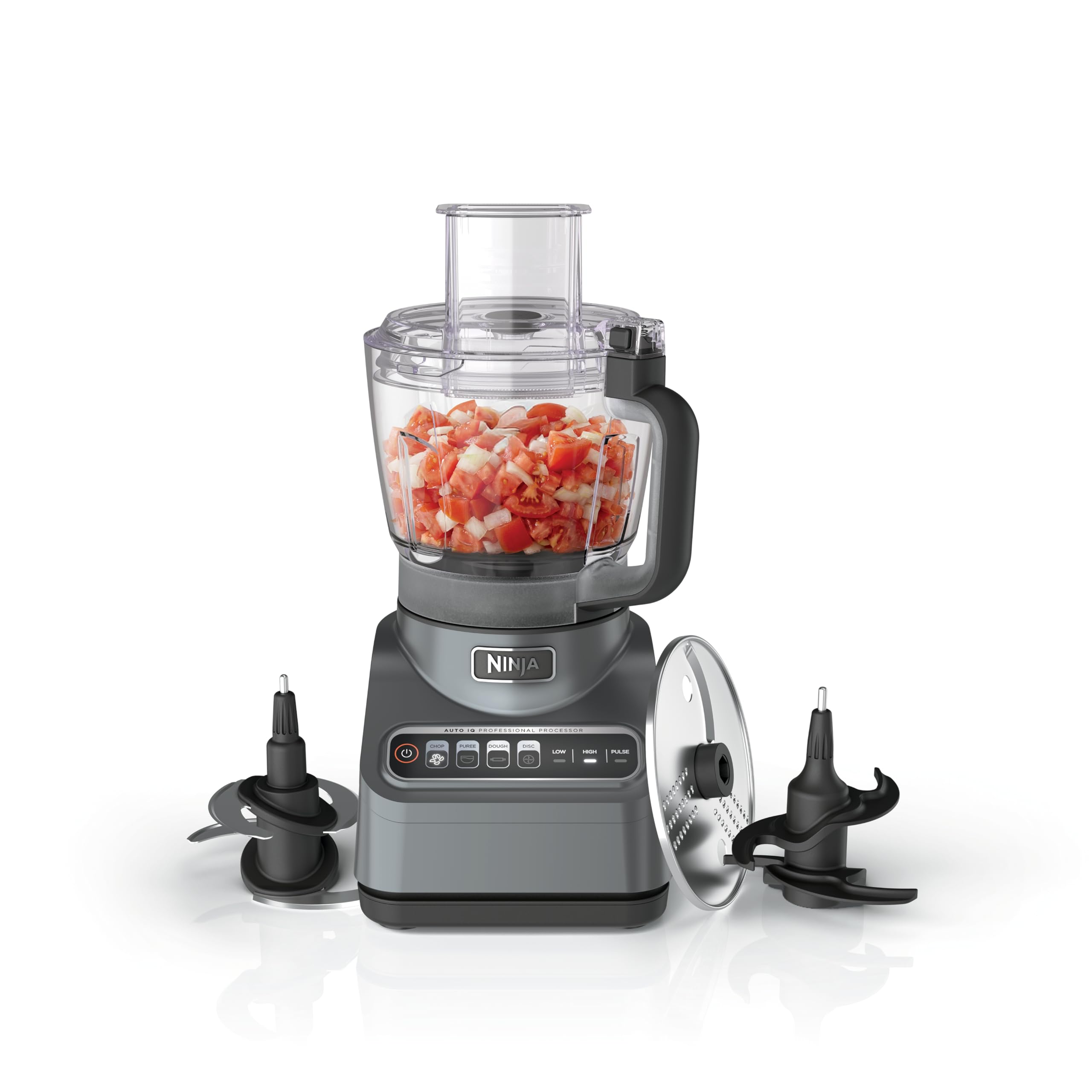
Ninja BN601 9-Cup Food Processor – Best for Everyday Home Cooks
The Ninja BN601 punches hard for its size. At 1000 peak watts, it handles most kitchen tasks without breaking a sweat. Slicing carrots, shredding cheese, making dough — this machine does it without complaining.
The 9-cup bowl is a sweet spot. Big enough for a family meal, small enough to store easily. You’re not wrestling with a giant bowl every time you need to chop an onion. That matters more than people think.
Ninja also gives you three blade and disc options in the box. A chopping blade, a dough blade, and a slicing/shredding disc. So you get real versatility without buying extra accessories. That’s a good deal right out of the box.
One thing I like a lot: the bowl, lid, and blades are all dishwasher safe. Cleanup is fast. And the base is solid, no wobbling around on the counter. For most home cooks, this is honestly all you need.
- 1000 peak watts
- 9-cup capacity
- Includes chopping blade, dough blade, slicing/shredding disc
- Dishwasher-safe parts
- Compact and easy to store
BLACK+DECKER FP1600B 8-Cup Food Processor – Best Budget Pick
If you’re on a tight budget and still want something that works, the BLACK+DECKER FP1600B is the one. It’s not fancy. But it gets the job done, and that’s the whole point.
The 8-cup bowl handles everyday tasks like chopping vegetables, making salsa, or grinding nuts. Nothing extreme. But for weekly meal prep on a budget, it covers the basics better than most people expect.
It runs on 450 watts. That’s lower than some others on this list, so don’t expect it to power through tough jobs like thick dough or frozen fruit. But for softer tasks — herbs, onions, cooked veggies — it’s perfectly fine.
The design is simple. One-touch pulse control, a stable base, and dishwasher-safe parts. BLACK+DECKER isn’t trying to impress you with bells and whistles. They’re just giving you a reliable machine at a price that doesn’t sting.
- 450 watts
- 8-cup capacity
- Simple one-touch pulse control
- Dishwasher-safe bowl, lid, and blade
- Great entry-level option
Cuisinart DFP-14BCNY 14-Cup Food Processor – Best for Serious Home Chefs
The Cuisinart 14-Cup is a kitchen workhorse. If you cook for a big family or meal prep in large batches, this is the one to get. It’s been around for years, and it keeps showing up on best-of lists for a reason.
The 14-cup bowl is massive. You can slice an entire head of cabbage in one go. Make a big batch of hummus without stopping halfway. It just keeps going. For large households, that kind of capacity saves real time.
It runs on 720 watts and comes with a stainless steel S-blade, a slicing disc, and a shredding disc. Three solid tools right in the box. The blade quality is noticeably better than cheaper options, and it shows in the results.
Build quality is excellent. The stainless steel finish looks great and holds up over time. It’s a bit pricier than some others here, but you’re buying something that’ll last years. For serious home cooks, it’s a genuine long-term investment.
- 720 watts
- 14-cup capacity
- Includes S-blade, slicing disc, shredding disc
- Brushed stainless steel finish
- Built to last
KitchenAid KFP1318CU 13-Cup Food Processor – Best for Precision Slicing
KitchenAid makes beautiful kitchen tools. The KFP1318CU is no different. It looks good on your counter, but more importantly, it performs well where it matters most — precise, even slicing.
The 13-cup bowl gives you plenty of room. And the adjustable slicing disc is the real standout feature here. You can dial in exactly how thick or thin you want your slices. Paper-thin cucumber slices for a salad, or thicker potato slices for a gratin. Total control.
It’s got a 3-in-1 feed tube that handles whole fruits and vegetables without pre-cutting. That’s a small thing that saves a surprising amount of time. Just drop in a tomato and go.
The motor is quiet for its power level. And KitchenAid’s build quality is consistently solid. The machine feels heavy and well-made. Not a toy. If precision matters to you in the kitchen, this one is worth the extra cost.
- 13-cup capacity
- Adjustable slicing disc
- 3-in-1 wide feed tube
- Quiet motor
- ExactSlice external control lever
Hamilton Beach 70730 10-Cup Food Processor – Best for Simple, No-Fuss Use
Not everyone wants a complicated machine. Sometimes you just want to press a button and chop things. Hamilton Beach gets that, and the 70730 is built around that idea.
The 10-cup bowl is a good size for most families. It handles the usual suspects — chopping, pureeing, shredding, slicing — without any issues. Nothing flashy. Just solid, dependable performance.
It comes with a stack and snap bowl design, which means no complicated locking or twisting to assemble. You just stack the parts and go. That’s genuinely useful when you’re in a hurry or just tired of fussing with kitchen gear.
The price is very reasonable for what you get. And the dishwasher-safe parts make cleanup easy. Hamilton Beach isn’t the most glamorous brand, but they make practical machines that hold up. If you want something simple and reliable, this fits perfectly.
- 10-cup capacity
- Stack and snap bowl assembly
- Chops, purees, shreds, and slices
- Dishwasher-safe parts
- Budget-friendly with solid build
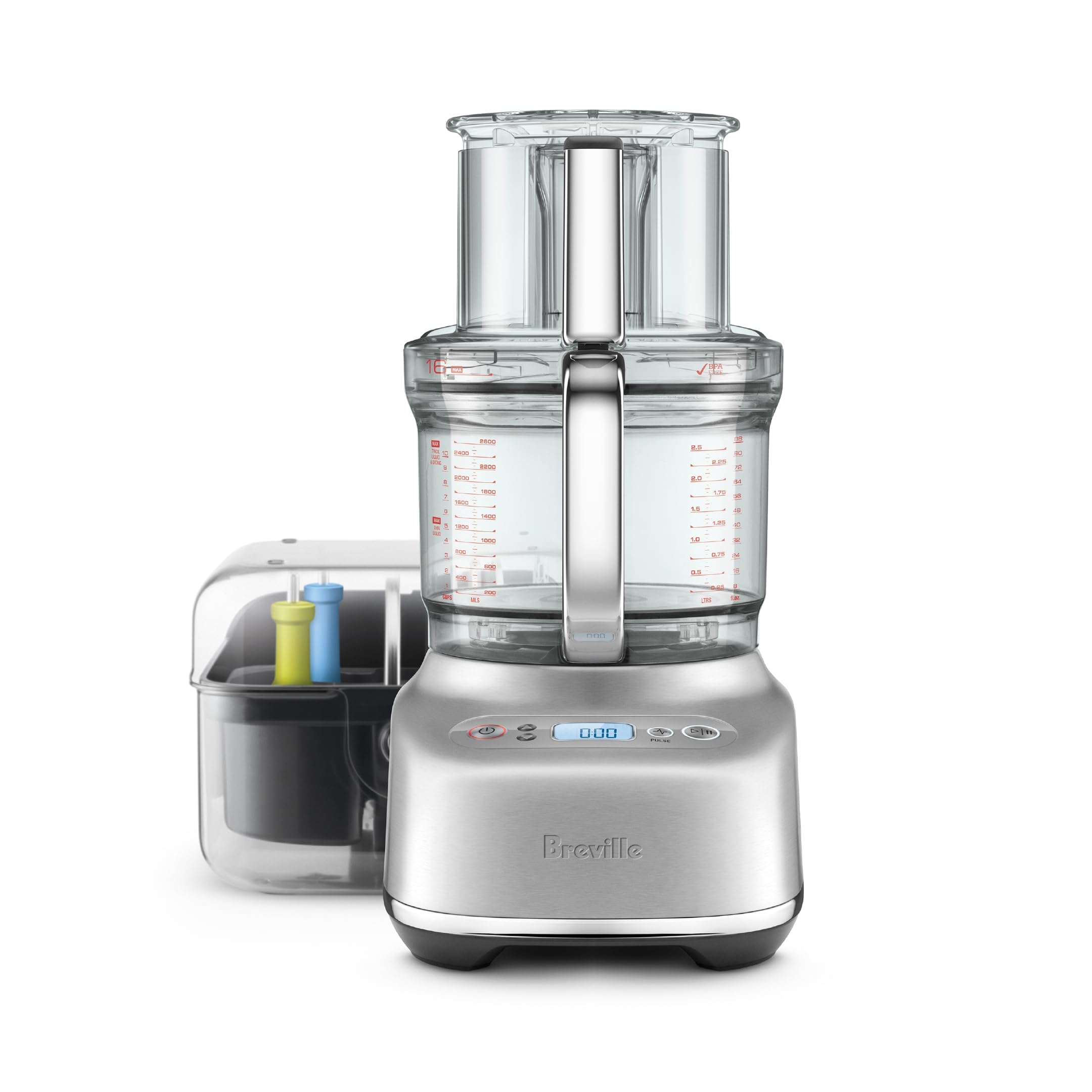
Breville BFP810 Sous Chef 16-Cup Food Processor – Best Premium Pick
The Breville Sous Chef is at the top of the food chain. Literally. It’s the biggest, most capable machine on this list, and it earns every dollar of its price tag.
Sixteen cups. That’s a lot of bowl space. You could prep a week’s worth of vegetables in one session. Big families, meal preppers, or anyone who cooks in serious quantities will feel the difference immediately.
The motor is powerful and handles tough tasks without overheating. Thick bread dough, hard root vegetables, large batches of nut butter — it takes all of it in stride. And the noise level is kept surprisingly reasonable for that power level.
It comes loaded with accessories: an S-blade, a dough blade, multiple discs, and a mini bowl insert for small tasks. You get flexibility for everything from big batch cooking to small herb chopping. If you want the best and you’re willing to pay for it, the Breville Sous Chef delivers.
- 16-cup capacity
- Powerful motor with thermal protection
- Includes multiple blades and discs
- Mini bowl insert for small tasks
- Premium build and finish
I hope this guide saves you hours of scrolling and second-guessing. The right food processor depends on your kitchen size, your cooking habits, and your budget. If you cook daily and need durability, go Cuisinart or Breville. On a budget? BLACK+DECKER or Hamilton Beach won’t let you down. Just pick the one that fits your life and get to cooking.
| Product | Capacity | Wattage | Best For |
|---|---|---|---|
| Ninja BN601 | 9 cups | 1000W | Everyday home cooks |
| BLACK+DECKER FP1600B | 8 cups | 450W | Budget buyers |
| Cuisinart DFP-14BCNY | 14 cups | 720W | Large batch cooking |
| KitchenAid KFP1318CU | 13 cups | N/A | Precision slicing |
| Hamilton Beach 70730 | 10 cups | N/A | Simple, no-fuss use |
| Breville BFP810 | 16 cups | N/A | Premium performance |
Things to Consider Before Buying a Food Processor: A Complete Buying Guide
You walk into a store or open Amazon, and suddenly there are 50 food processors staring back at you. Different sizes, different prices, different brand names. It’s overwhelming. And picking the wrong one means wasting money on a machine that sits in your cabinet after two uses.
Knowing the right things to consider before buying a food processor saves you from that mistake. This covers everything that actually matters, so you can pick with confidence.
Bowl Size and Capacity
The bowl size is the first thing you should figure out. Get this wrong and everything else feels off. A bowl that’s too small means stopping halfway through a job to empty it. Too big and you’re washing a giant bowl just to chop one onion.
For one or two people, an 8 to 9-cup bowl is plenty. For a family of four or more, go with 11 to 14 cups. If you batch cook on weekends, think about 14 cups or larger. A good rule: always go one size up from what you think you need.
Here’s a real example. I once bought a 7-cup processor thinking it was enough. Every time I made hummus for four people, I had to do two batches. Annoying. The fix was simple, but it cost me an extra purchase. Learn from that.
- Small household (1-2 people): 7 to 9-cup bowl
- Medium household (3-4 people): 10 to 12-cup bowl
- Large household or meal preppers: 13 to 16-cup bowl
- Always size up if you cook in batches
Motor Power and Wattage
Wattage tells you how hard the machine can work. A 300-watt motor is fine for soft foods. But ask it to knead dough or shred carrots, and it’ll struggle or overheat. That’s where things go wrong fast.
For light tasks like herbs, cooked veggies, or soft fruits, 400 to 600 watts works fine. For dough, hard vegetables, or nut butter, you want at least 700 to 1000 watts. Anything below that for heavy tasks means you’ll burn out the motor sooner than expected.
Also look for thermal protection. Good machines have a built-in system that shuts off the motor if it overheats. Cheaper ones just keep running and eventually stop working. It’s a small feature, but it tells you a lot about build quality.
- 300 to 500 watts: light tasks only
- 600 to 800 watts: mid-range, most everyday cooking
- 900 watts and above: heavy-duty tasks like dough and thick batters
- Look for thermal overload protection
Blade and Disc Options
The blades are what actually do the work. A basic chopping blade handles most jobs. But if you want to slice, shred, or julienne, you need the right disc for each task. Without them, you’re limited.
Most processors come with an S-blade and one or two discs. That covers chopping, slicing, and shredding. But some budget models only include the basic blade, so slicing discs are sold separately. Always check what’s in the box before buying. Don’t assume.
Blade quality matters too. Thicker, sharper stainless steel blades cut cleaner and last longer. Thin blades dull fast and tear food instead of cutting it. You can usually tell by weight. Pick up the blade. If it feels flimsy, it probably is.
- S-blade: chopping, mixing, pureeing
- Slicing disc: even slices for veggies and fruits
- Shredding disc: cheese, carrots, zucchini
- Check blade thickness and steel quality before buying
Feed Tube Size
The feed tube is the opening on top where you push food into the machine while it runs. A small feed tube means you have to pre-cut everything into tiny pieces. That defeats a big part of the point of having a food processor.
A wide feed tube lets you drop in a whole tomato, a large chunk of cheese, or a full cucumber. No pre-cutting. Saves real time. Some machines even have a 3-in-1 tube with a large, medium, and small opening built in. That’s very useful for different sized ingredients.
Watch out for cheap models with tiny feed tubes and no pusher included. You end up using your fingers to guide food, which is both annoying and unsafe. A good tube pusher keeps your hands away from the blade and helps food feed evenly.
- Wide tube: less prep, whole fruits and vegetables go in directly
- 3-in-1 tube: handles multiple sizes
- Always check if a pusher is included
- Narrow tubes add prep time and safety risk
Ease of Cleaning
If cleaning is a pain, you’ll stop using the machine. Simple as that. The best food processor in the world means nothing if it takes 20 minutes to wash after every use.
Look for dishwasher-safe bowls, lids, and discs. Most good brands make their parts top-rack dishwasher safe. But the blade is usually the tricky part because it’s sharp and awkward. A machine with fewer crevices and smooth surfaces is much easier to rinse by hand.
Also think about assembly and disassembly. If you need to twist, lock, press, and align four things just to put the bowl on, you’ll dread using it. Stack-and-snap designs or simple bowl-lock systems save a lot of frustration. Try to find reviews that specifically mention how easy it is to assemble.
- Dishwasher-safe bowl, lid, and discs: big plus
- Fewer crevices mean faster hand-washing
- Blade care: hand wash and dry immediately to avoid dulling
- Simple assembly saves time and frustration
Counter Space and Storage
A lot of people forget about this until the machine arrives and there’s nowhere to put it. Food processors, especially the larger ones, take up real estate on your counter. And storing them in a cabinet means lifting a heavy base every time you use it.
Measure your counter space before buying. Check the height too, especially if you have low cabinets above the counter. Some tall models won’t fit under standard cabinets, which means you can’t leave them out permanently. That becomes annoying quickly.
Cord length also matters more than you’d think. A short cord limits where you can place the machine. And if the cord doesn’t wrap or tuck away, it just hangs there making a mess. Small thing. But these are the details that affect daily use way more than specs on a product page.
- Measure your counter space before you buy
- Check height if you have low overhead cabinets
- Compact models work better in small kitchens
- Look for cord storage or a long enough cord for flexibility
I hope this breakdown helps you cut through the confusion and find a machine that actually fits your life. Knowing the right things to consider before buying a food processor means you stop guessing and start cooking. Take your time, compare the details, and buy the one that matches how you actually cook. Not the flashiest one. The right one.
| Factor | What to Check | Why It Matters | Quick Tip |
|---|---|---|---|
| Bowl Capacity | 7 to 16-cup range | Too small means multiple batches | Size up by one if unsure |
| Motor Wattage | 400W to 1000W+ | Low wattage burns out on tough tasks | 700W+ for dough and hard vegetables |
| Blades and Discs | What’s included in the box | More discs means more versatility | Check if extras cost extra |
| Feed Tube Width | Standard vs wide vs 3-in-1 | Narrow tubes mean more pre-cutting | Go wide if you prep whole vegetables |
| Cleaning Ease | Dishwasher-safe parts, assembly steps | Hard to clean means less use | Read user reviews about cleanup |
| Size and Storage | Dimensions, height, cord length | Big machines need dedicated space | Measure before buying |
Frequently Asked Questions (FAQs)
Is it worth buying an expensive food processor?
Yes, if you cook regularly. A cheaper machine might work fine for light tasks, but if you’re processing hard vegetables, thick doughs, or large batches every week, a higher-end model will hold up much longer. Think of it this way: spending $150 once beats replacing a $40 machine every year.
Is it safe to put food processor parts in the dishwasher?
Most bowls, lids, and blades from the brands on this list are dishwasher-safe on the top rack. But always check the manual. Some blade materials can dull faster with repeated dishwasher cycles, so hand-washing the blade occasionally is a smart habit, even when dishwasher-safe is listed.
Can a food processor replace a blender?
Partly, but not completely. A food processor handles chopping, shredding, slicing, and dough really well. A blender wins for smooth liquids like smoothies or soups. Some tasks overlap, but they’re built for different jobs. If you cook varied meals, having both is ideal. If you have to pick one, it depends on what you make most.
Can I make dough in a food processor?
Yes, and it actually works great. Most models with a dough blade can mix and knead bread or pizza dough in minutes. It’s much faster than doing it by hand. Just don’t overwork it. Pulse in short bursts, check the texture often, and stop as soon as the dough comes together into a smooth ball.
Do I need a large capacity food processor for a small family?
Not really. For one to three people, an 8 to 10-cup model handles daily cooking just fine. You only need a 13 to 16-cup machine if you batch cook, meal prep for the week, or regularly cook for four or more people. A larger bowl also means more parts to wash, which adds up quickly.
Do food processors work well for making nut butter?
Yes, they do. A powerful machine like the Breville or Cuisinart can blend roasted nuts into smooth butter in about five to ten minutes. You don’t need a special attachment either — just the regular S-blade works. It takes longer than a commercial machine, but the result is genuinely good homemade nut butter.
Is it hard to clean a food processor?
Not if you rinse it right away. Letting food dry inside the bowl makes cleaning much harder. Most parts are dishwasher-safe, so if you rinse immediately after use, cleanup takes under a minute. The blade is the tricky part since it’s sharp. Use a brush or a sponge around it carefully instead of reaching in with your hand.
Can I use a food processor to chop onions without crying?
Yes, and this is one of the best reasons to own one. Toss the onion in, pulse a few times, done. The whole process takes about ten seconds and keeps your eyes tear-free. Just don’t over-pulse or you’ll end up with onion mush instead of chopped pieces. Two to three quick pulses is usually enough.
Do all food processors come with multiple blades?
Not always. Budget models often include just a basic chopping blade and one disc. Mid-range and premium options usually include extra discs for slicing and shredding, plus a dough blade. Always check what’s included before buying. Buying extra accessories separately later can sometimes cost more than upgrading to a better model upfront.
Is it possible to use a food processor for hot foods?
You can, but you need to be careful. Most food processors are not designed for steaming hot liquids, as pressure can build up and cause the lid to pop. Let hot food cool for at least five to ten minutes before processing. For hot soups or sauces, a blender with a vented lid is a safer choice.