As an Amazon Associate, I earn from qualifying purchases at no extra cost to you.
How Many Watts Does a Microwave Use (to Save You Money)
 ByZayyan

Most people assume their microwave just works, but it actually pulls a massive amount of power from your home grid. I once tracked my energy bill for a month after I started using my microwave for almost every meal, and the jump in cost was a real wake-up call. Understanding these numbers helps you cook smarter, save on your utility bills, and stop guessing why your food takes forever to heat up.
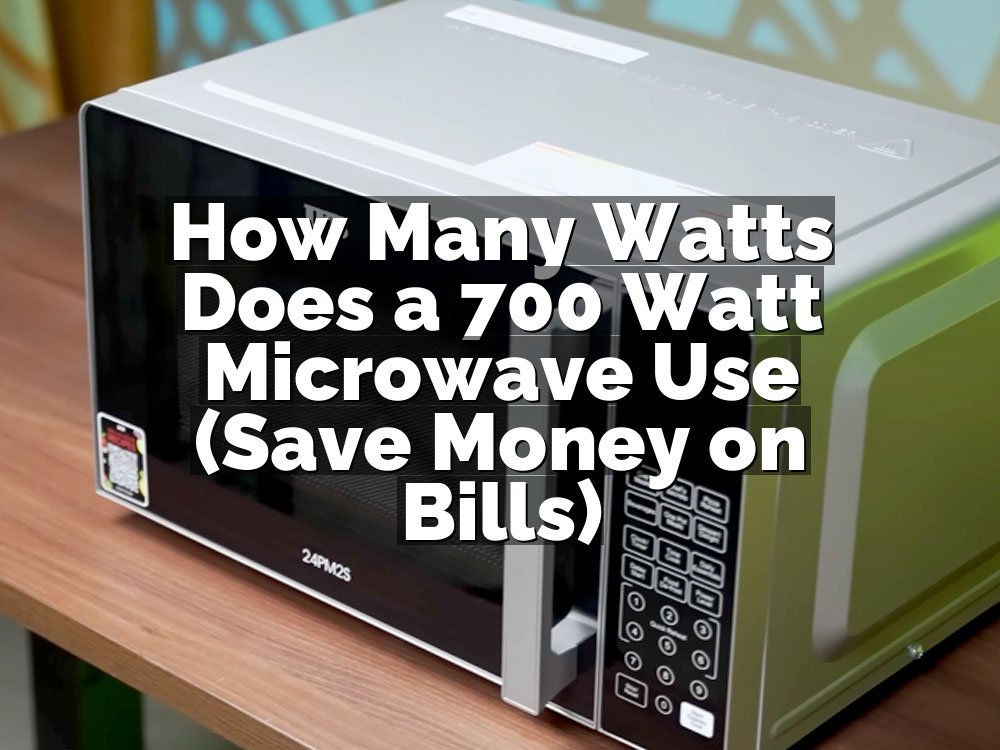
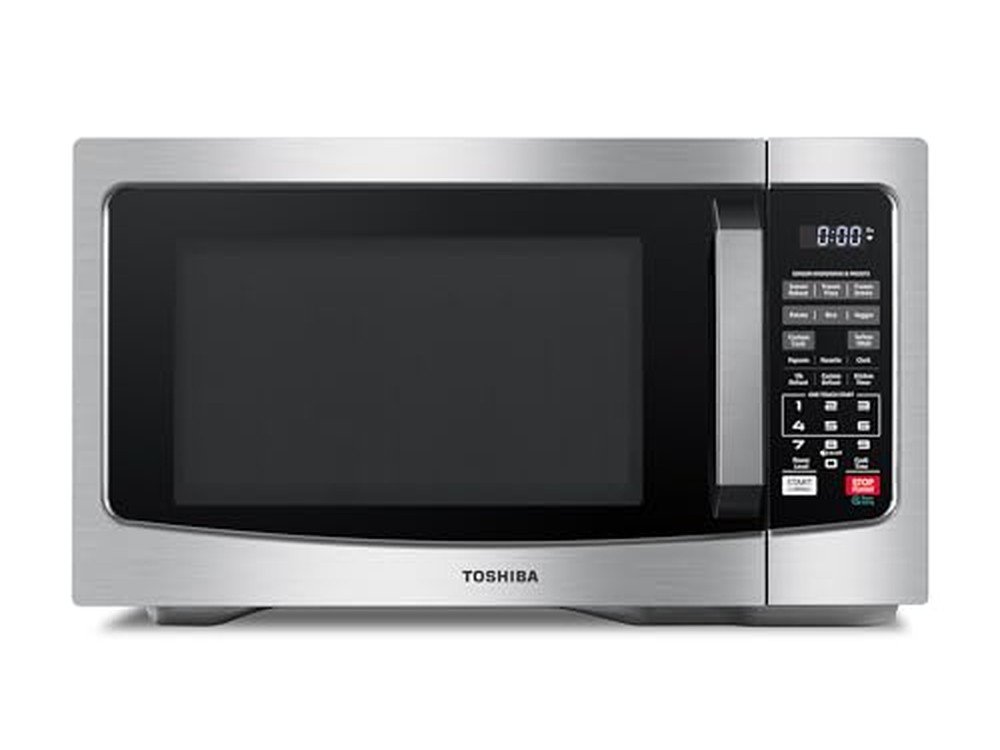
You need to check the back or the side door of your unit for the power tag. It lists the input wattage, which is what you actually pay for, not the output power. Most standard home models use between 700 and 1200 watts. Use that number to calculate your hourly cost. If you are worried about your energy usage, stop using the high setting for everything. A lower power level keeps the magnetron from cycling on and off as hard.
Understanding the Power Behind Your Microwave
Microwaves are not all equal, and the power ratings are often misunderstood by home cooks. Let’s break down the basic physics of how these machines actually pull electricity from the wall.
Appliance Power Label
Every microwave comes with a data plate, usually stuck on the back or hidden near the door frame. This sticker lists the power consumption in watts. Do not confuse this with the cooking power. The input wattage is always higher than the cooking power. Manufacturers do this because the machine loses energy as heat while running the fan and the light inside.
Magnetron Energy Conversion
The heart of your microwave is the magnetron. This part converts electricity into the waves that heat your food. It takes a lot of power to generate those waves. If you have a 1200-watt machine, it draws that much power from your outlet. The efficiency of this conversion varies by brand. Some cheaper models waste more energy than others during this process.
Standby Power Drain
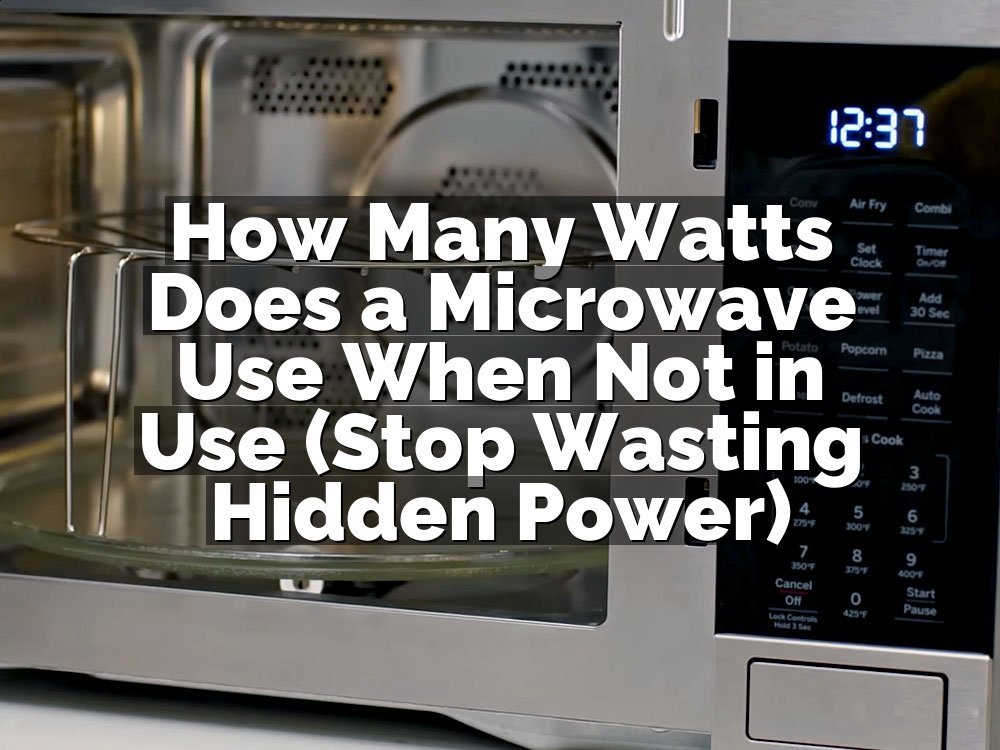
Even when the door is shut and you are not cooking, your microwave uses electricity. That little clock on the front needs power to stay lit. This is called phantom load. It might only be two or three watts, but it adds up over a year. I used to keep mine unplugged when I went on vacation to stop this drain.
Cooking Level Impacts
When you press the button to change the power level, you are not actually making the microwave run at lower intensity. Instead, it cycles the power on and off. At fifty percent power, it runs at full tilt for a few seconds, then rests. This is why you sometimes hear the machine hum and click while it is running.
Circuit Load Limits
Most kitchen outlets are on a 15-amp or 20-amp circuit. A high-wattage microwave can pull a huge portion of that capacity. If you run your toaster and microwave at the same time, you might trip the breaker. This is a common symptom of a tripped circuit in older homes. Always keep your heavy appliances on separate lines if you can.
Efficiency Over Time
As microwaves get older, they often lose efficiency. The magnetron starts to wear out, which means it pulls more power to do the same amount of work. If you notice your food takes longer to cook than it did last year, your machine is likely struggling. This is a clear sign that you might be dealing with old components failing inside.
Actually, let me back up a second to clarify something for you. Most people ignore the fine print. Check your manual for the exact draw. Knowing the numbers helps you avoid tripping the kitchen breaker.
- Look for the serial tag.
- Note the input wattage.
- Avoid running heavy appliances together.
- Unplug to save phantom power.
- Check for long cook times.
- Keep the vents clear.
How to Calculate Usage and Total Cost for Your Household
Determining the exact energy cost involves looking at your utility bill and your own habits. It is simple math, but most people never bother to do it.
Monthly Energy Use
Take your microwave wattage and divide by one thousand to get kilowatts. Multiply that by the hours you use it each month. If you use it for thirty minutes a day, that is fifteen hours a month. A 1000-watt machine uses 15 kilowatt-hours. That is a small amount of electricity, but it still shows up on the bill.
Electricity Rate Factors
Your cost depends on what your power company charges per kilowatt-hour. In my area, that is about twelve cents. If I use 15 kilowatt-hours, that is less than two dollars a month. It is not a massive expense for most households, but it adds up if you are also running a heated water filtration system or other gadgets.
Peak Time Usage
Some power companies charge more for electricity during the afternoon. If you microwave your lunch during the heat of the day, you might pay a premium. Check your local utility plan to see if off-peak pricing applies to your home. Moving your cooking times by just a few hours can sometimes result in real savings for your monthly budget.
Power Level Settings
Using full power for every single task is a waste of energy and bad for your food. You rarely need 1200 watts to reheat a cup of coffee. Setting your machine to sixty percent power will heat the liquid more evenly. It saves the magnetron from constant stress. This simple habit keeps the machine running longer and prevents uneven reheating of leftovers.
Cleaning and Maintenance
A dirty microwave actually works harder. Splatters on the walls absorb some of the energy that should be hitting your food. I once had a huge mess in mine that forced the machine to run twice as long to heat soup. A clean interior reflects waves efficiently. Keep the door seal clean to prevent energy loss through door gaps.
Machine Age and Wear
Older units are notoriously inefficient compared to newer models. If your microwave is over ten years old, it is probably using more power than it should. The internal parts degrade and the door seal eventually fails. If you hear a loud buzzing sound, that is a sign of a struggling internal transformer. It is time to think about a replacement.
- Check your local utility rate.
- Track your daily minutes.
- Use medium power levels.
- Keep the interior spotless.
- Wipe the door seals.
- Replace very old units.
The cost is usually lower than you think. Most people spend only a few dollars a month on microwave energy. The bigger issue is the convenience and the quality of the food. If you treat your machine well, it will last for a long time without costing you a fortune.
Does the Size of the Microwave Affect Electricity Usage
Size and power are not exactly the same thing. You can have a small unit with high wattage that cooks very fast. Larger units often have more space, but they do not necessarily pull more power from the wall during a standard cycle.
A small, compact microwave is usually around 700 watts. A large family-sized one is often 1200 watts. The bigger one will cook a potato in half the time. You end up using the same amount of total electricity. The difference is just how long you stand there waiting for the beep.
I prefer a mid-sized 1000-watt unit. It is the sweet spot for my kitchen. It fits a full dinner plate without hitting the sides. It also does not blow the fuse if I have the coffee pot running at the same time. Think about your actual daily needs before you buy a massive unit.
If you have limited counter space, a smaller unit is better. Just remember that you might need to adjust your recipes. A 700-watt microwave will always require longer cook times than a 1200-watt model. If a recipe says cook for five minutes, add two more.
- Small units have lower wattage.
- Large units cook food faster.
- Total energy use stays similar.
- Compact units save counter space.
- Check your typical plate size.
- Adjust cook times for lower power.
Should I Replace My Microwave to Save Electricity
Replacing an appliance just to save power is rarely worth the cost. A new microwave will cost you between one hundred and three hundred dollars. The energy savings on your bill will be pennies per month. You would need decades to make back the cost of the new machine.
However, you should replace it if it is broken. If the door does not close, the light stays on, or it makes a grinding noise, that is a safety risk. A broken machine can leak radiation or catch fire. That is the only time the electricity cost should be a secondary concern for you.
I once kept a microwave for fifteen years until the handle snapped off. It worked fine, but it was ugly and slow. I finally bought a new one and realized how much better the sensor cooking worked. The new one does not overcook my oatmeal. That is a real benefit that has nothing to do with watts.
Look for a unit with good reviews on reliability instead of just energy efficiency. A machine that lasts ten years is better for your wallet than a fancy one that dies in two. Maintenance is the key to longevity. Keep the inside clean and don’t slam the door.
- Don’t buy for energy savings.
- Replace if safety is compromised.
- Watch for broken door latches.
- Listen for weird grinding sounds.
- Focus on long-term reliability.
- Cleanliness prevents premature failure.
Are There Ways to Reduce Microwave Energy Consumption
The best way to save energy is to use the microwave less. I started using my toaster oven for small things like heating up a slice of pizza. It takes a bit longer, but the crust stays crispy instead of getting soggy. You get better food and save your microwave for liquids and soups.
Another trick is to use a cover over your food. A microwave-safe lid holds the steam inside the dish. The food heats up much faster because you are using both the waves and the hot steam. This reduces the total time the machine needs to run. It also keeps your microwave clean, which is a big bonus.
Don’t leave the microwave plugged in if you rarely use it. If you only use it once a week, the phantom power is just wasting your money. Unplugging it for a few days at a time is a small habit that makes a difference. It also protects the board from power surges.
Finally, defrost your food in the fridge overnight. Trying to defrost a block of frozen meat in the microwave is a massive power draw. It takes forever and usually results in cooked edges with a frozen center. Planning ahead saves electricity and gives you a much better dinner.
- Use a microwave-safe cover.
- Defrost in the fridge first.
- Use an oven for pizza.
- Unplug during long absences.
- Heat food in shorter bursts.
- Avoid using it for everything.
Does My Microwave Need a Dedicated Circuit
Most microwaves do not need a dedicated circuit, but it is a good idea. In modern kitchens, builders often put the microwave on its own line. This prevents the lights from flickering when you hit the start button. It also stops the breaker from tripping during a busy holiday dinner.
If you live in an older home, you are likely sharing the circuit with the fridge or other small appliances. This is a common cause of kitchen power issues. If you notice your microwave slows down when the fridge motor kicks on, you have a shared circuit. It is not dangerous, but it is frustrating when you are cooking.
You can check your breaker box to see how your kitchen is wired. If you see a label for the microwave, you are all set. If not, try to be mindful of what else is plugged into that same outlet or counter run. Keeping the load light is the best way to keep things steady.
If you are renovating, definitely add a dedicated line. It is a cheap upgrade that makes your kitchen work much better. It is one of those things you will never regret doing. It adds value and peace of mind for anyone who uses the kitchen regularly.
- Check your breaker panel.
- Label your circuit switches.
- Avoid sharing heavy outlets.
- Watch for flickering lights.
- Ask an electrician for advice.
- Plan for dedicated lines during updates.
Final Thoughts
I hope this breakdown helps you feel better about your kitchen power usage. It is easy to worry about these numbers, but most microwaves are actually quite efficient tools. Just keep yours clean, be smart about your cooking times, and don’t overthink the wattage on the back. A little common sense goes a long way. If you treat your machine with respect, it will handle your leftovers for years to come.
| Appliance Type | Typical Watts | Usage Efficiency |
|---|---|---|
| Compact Microwave | 700W | Moderate |
| Standard Microwave | 900W | High |
| Family Microwave | 1200W | High |
| Convection Microwave | 1500W | Low |
| Built-in Unit | 1000W | High |
| Over-the-range | 1100W | Moderate |
| Digital Sensor | 1000W | Very High |
| Basic Analog | 800W | Moderate |
| High-end Inverter | 1200W | Very High |
| Used/Old Unit | 900W | Low |
Frequently Asked Questions
Is It Safe to Use a Microwave with High Wattage on an Old Circuit?
It is generally safe if the wiring is up to code, but you should avoid running other heavy appliances at the same time. If the breaker trips, you know your circuit is overloaded.
Can I Change the Wattage of My Microwave?
You cannot change the actual wattage of the machine. The internal components are built for a specific power draw. You can only control how often it cycles by changing the power setting.
Are Inverter Microwaves More Energy Efficient?
Yes, they are usually more efficient. They provide a constant stream of lower power instead of cycling on and off. This keeps your food from getting rubbery and saves some energy too.
Does the Light Inside Use a Lot of Electricity?
No, the interior light uses a tiny amount of power. The magnetron that generates the heat is responsible for the vast majority of the electricity draw during a cooking cycle.
Should I Use the Highest Wattage Setting for Everything?
No, you should not. High settings are for boiling liquids or heating quickly. Using a lower setting for meat or casseroles prevents drying out the food and is gentler on your machine.
Will a Higher Wattage Microwave Heat Food Faster?
Yes, a 1200-watt microwave will heat food significantly faster than a 700-watt model. If you are in a rush, a higher wattage unit is a better choice for your busy kitchen.
Does My Microwave Use Power When Not in Use?
Yes, it does. Any appliance with a digital clock or display uses a small amount of electricity while it is plugged in. This is known as standby power or a phantom load.
How Long Does a Microwave Usually Last?
A well-maintained microwave will last about eight to ten years. If you keep the inside clean and don’t slam the door, you can easily get a decade of use out of it.