As an Amazon Associate, I earn from qualifying purchases at no extra cost to you.
Miele Dishwasher Error Code F14: Fix It Now Like a Pro
 ByZayyan

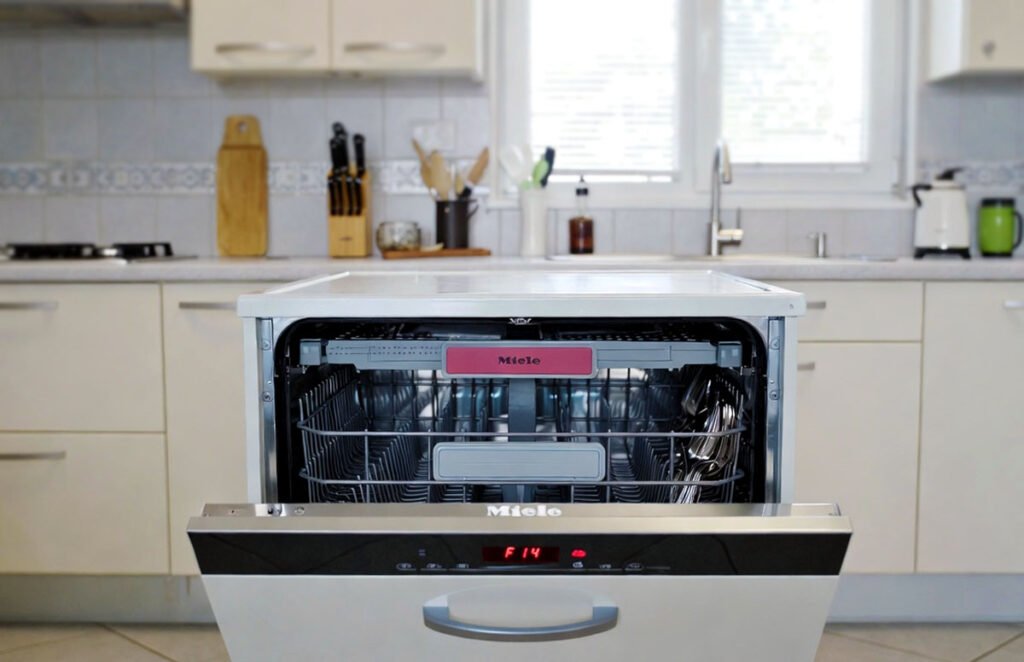
I know exactly how you feel right now. I have seen that look of pure defeat on so many faces over the last twenty years. You just finished a big dinner and now you are staring at a flashing light. It is incredibly frustrating when your Miele dishwasher error code f14 pops up right when you need the machine most.
The good news is that this code usually points to a pressure switch issue. This means we can likely get it running again without a total meltdown. First, you should start by checking the filters for any debris like glass or seeds. Then, check the pump for clogs. If the pump is clear, you might need to clean the pressure switch. Finally, check the intake valve to ensure the water pressure is strong enough to trigger the sensors correctly.
What is This F14 Error Trying to Tell Me?
When your Miele displays this specific code, it is essentially telling you that the heater pressure switch has not been activated. This switch is a safety device for your home. It ensures there is enough water pressure in the system before the heating element turns on. Consequently, if the machine detects low pressure, it shuts everything down to prevent the heater from burning out or causing damage to the delicate internal components.
This problem often stems from a lack of water flow rather than a mechanical failure. Over time, bits of food or hard water minerals can get trapped in the narrow pathways. When the circulation pump kicks on, it tries to push water through the system. However, if something is blocking the way, the pressure never reaches the level required to flip that switch. Thus, the machine stops the cycle to stay safe.
In my two decades of repair work, I have found that this error is frequently a sign of maintenance neglect. The machine is being cautious because it wants to protect itself from overheating. While it feels like a major disaster, the F14 is actually a very helpful warning. It prevents a small plumbing clog from becoming a very expensive repair bill for a fried heating element. Therefore, you should see this as a chance to clean things up.
- A clogged fine filter at the bottom of the wash cabinet.
- Debris like a toothpick or fruit pit stuck in the circulation pump.
- Low water pressure coming from your home plumbing supply lines.
- A faulty heater pressure switch that has simply worn out.
- Excessive foam from using too much detergent or the wrong type.
- A kinked or pinched intake hose behind the dishwasher unit.
Miele Dishwasher Error Code F14 Repair Guide
Check The Internal Drainage Filters
The first thing we need to do is look at the most obvious culprit. A dirty filter assembly is often the main cause of this headache. Therefore, reach into the bottom of the tub and twist the handle to release the main filter unit. Take it over to the sink and give it a very thorough scrub with hot water.
Make sure you look closely at the fine mesh screen during this process. Even a thin film of grease can restrict water flow enough to trigger an error code. I have seen filters that looked clean but were actually coated in a transparent layer of fat. This layer acts like a waterproof barrier. Consequently, the pump cannot pull enough water through the system to satisfy the pressure switch.
After you have cleaned the mesh, look down into the sump area where the filter sits. Sometimes a stray piece of plastic or a shard of glass hides in that little pool of water. Reach in carefully to scoop out any debris that does not belong there. This ensures that when you put the filter back, the water can move freely. As a result, the pressure should return to normal levels quickly.
- Remove the filter assembly by twisting the locking handle.
- Scrub the mesh under hot running water with soap.
- Inspect the sump area for any hidden foreign objects.
- Lock the filter back into place and test the machine.
Clear The Non Return Valve
Once the filters are out, you have a perfect opportunity to check the valve. There is usually a small metal wire that holds the non return valve in place. Pop that open and lift the valve out to see if anything is jammed inside it. This little part is a common hiding spot for lemon seeds and small bones.
Next, feel around the impeller which is the little fan blade inside the pump. It should spin freely with just a bit of rhythmic resistance. If it feels stuck or crunchy, there is definitely something caught in there. Use a pair of needle nose pliers to pluck out anything that is blocking the way. This allows the pump to work at full capacity again.
A blocked pump is the most common reason for low pressure in these machines. Since the water cannot be circulated forcefully, the pressure switch never gets the signal to start the heater. Even a tiny piece of debris can slow the motor down just enough to cause trouble. Cleaning this area is a bit messy. However, it is a very effective way to save a lot of money.
- Flip the locking wire and remove the non return valve.
- Check the valve for any trapped food or debris.
- Ensure the pump impeller spins freely without any obstructions.
- Reassemble the parts firmly to ensure a watertight seal.
Inspect The Water Intake Hose
Now we need to make sure the machine is actually getting enough water. Sometimes the intake hose gets pinched if the dishwasher was pushed too far back. Therefore, pull the unit out just a few inches and look behind it. Check if the hose is kinked or twisted. A restricted hose acts like a clogged artery and prevents proper filling.
You should also check the small filter located inside the end of the hose. Turn off the water supply and unscrew the hose to see the screen. Check if it is filled with sand or rust from your pipes. This is especially common if you have recently had plumbing work done. If the screen is dirty, water cannot enter the machine fast enough.
Simply rinse the screen under a tap to clear out the minerals and grit. Once the water can flow at full strength again, the pressure switch should work fine. This is a simple fix that many people overlook when they are frustrated. It only takes a few minutes to check. Consequently, you might solve the whole problem without taking anything else apart.
- Pull the dishwasher out to check for hose kinks.
- Turn off the water and disconnect the intake hose.
- Clean the debris filter located inside the hose connection.
- Reconnect the hose and turn the water back on.
Evaluate The Detergent Levels
It might sound crazy, but using too much soap is a leading cause of errors. If you see a lot of bubbles in the tub, you have found your problem. Excessive suds create air pockets in the circulation pump. This makes it impossible for the machine to build up any real water pressure. As a result, the sensor thinks the pump has failed.
Modern Miele dishwashers are incredibly efficient and require very little detergent to work. If you use too many pods, the foam will confuse the internal sensors. The pump tries to push the foam, but it cannot create force with air. Therefore, the pressure switch never gets the signal it needs. This is a common mistake that is very easy to fix.
To fix this, you need to clear out the suds immediately. Run a rinse cycle without any detergent at all to flush the system. If the suds are really thick, you can add a tablespoon of vegetable oil to break them down. Moving forward, try cutting your detergent usage in half. It is a simple adjustment that prevents future errors and saves you money.
- Check the bottom of the tub for excessive soap suds.
- Run a rinse cycle to clear out the existing foam.
- Use a small amount of oil to kill stubborn bubbles.
- Reduce detergent amount for all future washing loads.
Test The Heater Pressure Switch
If the cleaning steps did not work, we have to look at the switch. This part is located underneath the machine and is attached to the pump housing. You will need to remove the bottom access panel to see it clearly. Sometimes the small rubber hose leading to the switch gets blocked with a bit of lime scale or grease.
Gently remove the small hose and see if you can blow through it. This helps clear any internal obstructions that might be blocking the pressure signal. If the hose is clear, the switch itself might have a mechanical failure. You can use a multimeter to check for continuity. However, a quick cleaning of the connection points is often enough.
In some cases, the diaphragm inside the switch gets stiff over time. This means it requires more pressure than the pump can provide to trigger it. If you have cleaned everything else and the error persists, replacing this switch is the next step. It is a relatively inexpensive part. Most DIY enthusiasts can handle this swap with just a few basic tools.
- Remove the bottom panel to access the pressure switch.
- Check the small pressure hose for any internal clogs.
- Inspect electrical connections for signs of corrosion or burns.
- Replace the switch if it fails a basic continuity test.
Reset The Control Module
Sometimes the computer in your Miele just needs a fresh start. Even after you fix the physical problem, the machine might still hold the error. The easiest way to fix this is to unplug the dishwasher from the wall. Alternatively, flip the circuit breaker in your electrical panel for ten minutes. This allows the system to clear its memory.
This long pause allows the capacitors on the control board to fully discharge. While the power is off, the sensors have a chance to return to their baseline. When you flip the power back on, the machine will perform a self diagnostic. Hopefully, it will realize that the water pressure is now perfectly fine. It is like rebooting a phone.
If the error comes back immediately after a reset, a physical fault still exists. However, if the machine starts a new cycle and runs through the fill phase, you are successful. I always recommend a reset as the final step. It ensures the software and hardware are back in sync. Now you can finally relax and let the machine do its job.
- Turn off the power at the circuit breaker box.
- Wait at least ten minutes for a full discharge.
- Restore the power and select a new wash cycle.
- Monitor the first few minutes of the cycle closely.
How Can I Prevent This From Happening Again?
Preventing the F14 error is all about keeping the internal pathways of your dishwasher clean. The most important habit you can develop is running a dedicated cleaning cycle. Do this once a month with a high quality descaler. This process dissolves hidden lime scale and grease inside the pressure switch. It keeps the water moving freely and prevents sensors from getting stuck.
You should also be mindful of how much food you leave on your plates. While you do not need to pre wash everything, removing large chunks of debris is helpful. This keeps the filters from clogging prematurely and protects the pump. When the filters stay clear, the pump does not have to work nearly as hard. Therefore, the pressure switch stays happy and your dishes stay clean.
Finally, make sure you are using the correct type of salt for your water. Miele machines have built in water softeners that protect the internal components. If you keep the salt reservoir full, the water stays soft. Consequently, the pressure switch is much less likely to get blocked by calcium deposits. A little bit of regular love goes a very long way with these machines.
- Run a monthly cleaning cycle with a Miele descaler.
- Scrape all solid food waste into the trash first.
- Check and clean the drain filter every single week.
- Keep the dishwasher salt reservoir filled at all times.
- Use the recommended amount of high quality detergent pods.
- Open the door after cycles to let moisture escape.
Final Thoughts
Dealing with a broken dishwasher is never fun. However, you are more than capable of handling this F14 error on your own. Most of the time, a thorough cleaning and a little bit of patience are all it takes. You have worked hard to maintain your home. Therefore, do not let a little bit of lime scale get you down. You can totally do this and save a lot of money.
| Steps | Difficulty Level | Parts Needed | Pro Tip |
| Filter Cleaning | Very Easy | None | Use an old toothbrush for the mesh. |
| Pump Inspection | Easy | None | Use a mirror to see inside the sump. |
| Intake Check | Moderate | Pliers | Look for debris in the hose screen. |
| Switch Testing | Advanced | Multimeter | Take a photo of wires before removing. |
Frequently Asked Questions (FAQs)
Is it safe to keep running the dishwasher with an F14 error?
It is not a good idea to force the machine to keep running if it shows this code. The error exists to protect the heating element from burning out due to low flow. If you keep restarting it, you might turn a simple clog into a very expensive repair. You could damage the heater or the circuit board.
Can I fix the F14 error without calling a professional technician?
You can absolutely fix this yourself in most cases. Most F14 errors come from simple blockages in the filters or the pump. These do not require any special tools to clear out. If you follow the cleaning steps and check your water supply, you will likely have the machine running perfectly again very soon.
Do I need to buy a new pressure switch immediately?
You should definitely not buy a new part until you have cleaned the machine thoroughly. Many times, the switch is perfectly fine. It is simply reacting to a real pressure drop caused by a clog. Only consider buying a replacement part after you have verified that the water flow is strong and the hoses are clear.
Is it possible that my detergent is causing the F14 code?
Yes, using the wrong detergent is a very common cause of this specific error. If you use soap that creates too many suds, the pump will suck in air instead of water. This prevents the pressure from building up enough to trigger the switch. Switching to a low sudsing detergent often fixes the problem instantly.
Can hard water lead to more frequent F14 errors?
Hard water is a major enemy of Miele dishwashers because it leaves behind calcium deposits. These minerals can build up inside the tiny hoses that connect to the pressure switch. Eventually, they block the signal entirely. Using dishwasher salt and running a monthly descaling cycle is essential to prevent this error from returning frequently.
Do I have to pull the dishwasher out of the cabinet?
You might need to pull it out slightly to check the intake hose for kinks. However, most of the cleaning can be done from the front. The filters and the pump access are all located inside the tub. You only need to remove the unit completely if you determine that the switch underneath needs to be replaced.
Is it expensive to replace the heater pressure switch if it is broken?
The part itself is usually quite affordable compared to the cost of a new dishwasher. While prices can vary, it is a standard component that is widely available. The real cost usually comes from labor if you hire a pro. Therefore, attempting the repair yourself is a great way to save a lot of money.
Can a clogged drain hose cause an F14 error?
While the F14 is mostly about intake pressure, a major backup in the drain system can interfere with water levels. If the dishwasher cannot drain properly, it might not fill correctly for the next stage. Thus, ensuring your sink drain and dishwasher hose are clear is always a smart part of the troubleshooting process.