As an Amazon Associate, I earn from qualifying purchases at no extra cost to you.
6 Best Air Conditioners for Home (Buying Guide) 2026
 ByZayyan

Summer heat is no joke. When your room feels like an oven and you can’t sleep, eat, or think straight, you need a fix fast. But picking the right AC feels overwhelming with so many options out there. In this article I will show you the top 6 best air conditioner for home picks that actually work.




Top 6 Best Air Conditioners for Home You Can Buy Now
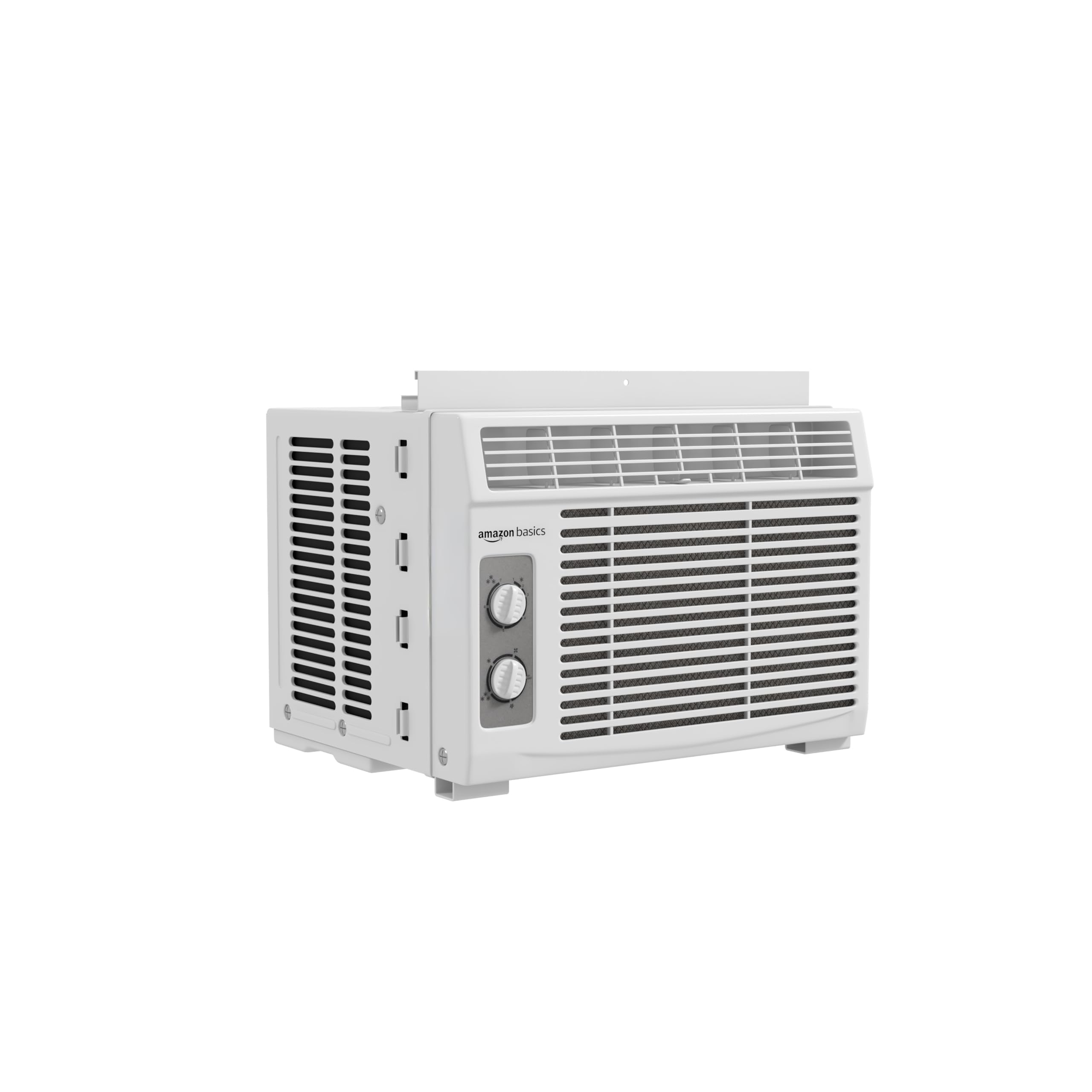
Amazon Basics 5,000 BTU Window Air Conditioner – Best Budget Buy
Let’s start with the one that makes the most sense for most people. The Amazon Basics 5,000 BTU window AC does exactly what you need it to do, without costing a fortune. If you’re on a tight budget and just want your room to stop feeling like a sauna, this one is hard to argue with.
It cools rooms up to 150 square feet pretty well. That’s a standard bedroom or a small home office. You set it up in your window, plug it in, and you’re done. No complicated setup. No confusing controls. Just a simple mechanical dial that lets you pick your speed and temperature.
The unit runs on 115V, which is a standard home outlet. So you don’t need any special wiring. It also has two cooling speeds and two fan speeds, which gives you enough options without overcomplicating things.
One thing to keep in mind is that Amazon Basics is a budget brand. The build feels a little plastic-y compared to premium names. But for the price? Totally fair. Thousands of people buy this every summer and are happy with it.
- Cools up to 150 sq ft
- Two cooling and two fan speeds
- Standard 115V plug-in
- Simple mechanical controls
- Budget-friendly price point
Midea 5,000 BTU EasyCool Window Air Conditioner – Best for Easy Setup
The Midea EasyCool is one of those products that just earns its name. Setting this thing up is genuinely easy. The installation kit comes with everything you need, and the instructions are clear enough that you won’t be scratching your head for hours.
It handles rooms up to 150 square feet comfortably. Think bedrooms, small living rooms, or a study. The mechanical controls are dead simple, and Midea has been making cooling equipment for decades, so the engineering behind this little unit is solid.
What makes Midea stand out slightly from the Amazon Basics is the brand’s track record. Midea is actually one of the largest appliance makers in the world. They make units for a ton of well-known brands. So when you buy Midea, you’re getting real manufacturing experience packed into an affordable box.
The EasyCool also runs quietly enough that you can sleep with it on. Not silent, but not obnoxiously loud either. That matters a lot when you’re trying to get a good night’s rest in July.
Watch out for one thing though. Like most 5,000 BTU units, this won’t handle a large open space. Stick to smaller rooms and it’ll serve you well.
- Cools up to 150 sq ft
- Easy installation with included kit
- Mechanical controls, no app needed
- Quiet enough for nighttime use
- Trusted global appliance brand
Frigidaire 5,000 BTU Window Air Conditioner – Best Brand Reputation
Frigidaire has been around since 1918. That’s not a typo. Over 100 years of making home appliances. So when they put their name on an air conditioner, there’s real history behind it. This 5,000 BTU mini compact model is their entry-level window unit, and it shows what a legacy brand can do even at the budget end.
The unit cools rooms up to 150 square feet efficiently. It uses mechanical rotary controls, so there’s nothing digital to confuse or break. You spin the dial, pick your setting, and it gets to work. Simple as that.
Frigidaire also tends to build their units with slightly better internal components than generic alternatives. You can often feel this in how the unit hums, how even the airflow is, and how well it holds a set temperature over time.
One real-world scenario where this shines is apartments. A lot of apartment dwellers need something reliable, easy to install, and easy to remove at the end of the season. This Frigidaire checks all those boxes. It’s compact, light enough to handle solo, and the installation hardware is standard and sturdy.
If you want the security of a trusted name without paying premium prices, Frigidaire is your pick.
- Cools up to 150 sq ft
- Mechanical rotary controls
- Compact and easy to install and remove
- Frigidaire’s century-long reputation
- Consistent airflow performance
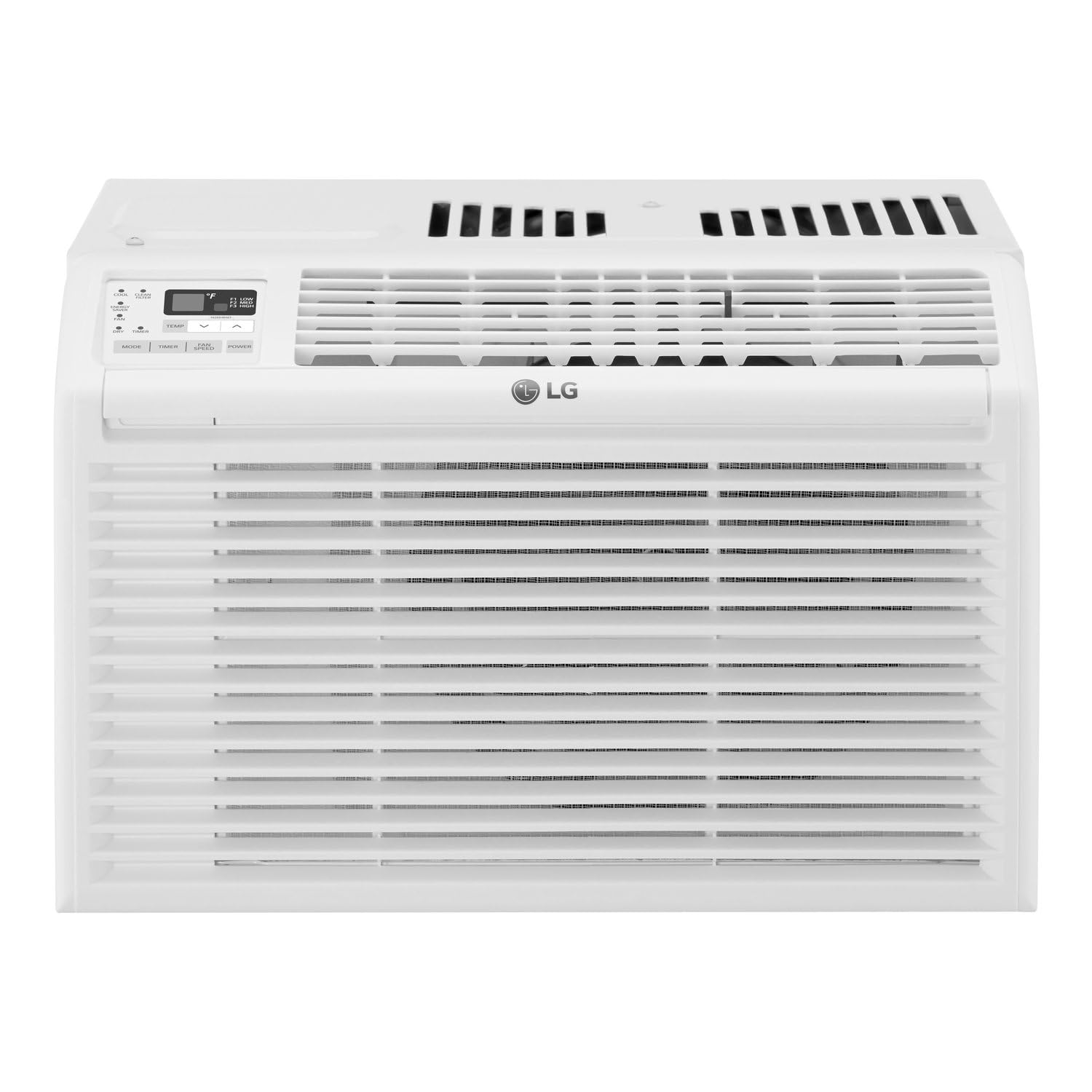
LG 6,000 BTU Window Air Conditioner – Best Step-Up Option
Here’s where things get a little more interesting. The LG 6,000 BTU unit gives you 20% more cooling power than the 5,000 BTU options above. That might not sound like much, but in practice it makes a real difference. Bigger room? Hotter climate? This is the one.
LG is a name most people trust, and for good reason. Their window ACs are built well and tend to last. This model cools up to 260 square feet, which opens up a lot more of your home. A medium-sized bedroom, a bigger home office, even a small living area works fine with this unit.
The controls are still simple and mechanical, which is honestly refreshing. You don’t need Wi-Fi or a smartphone to run your AC. Just set it and forget it. LG also includes installation hardware in the box, and the side accordion panels extend to fit most standard windows.
Energy efficiency is decent for this class. The unit has an Energy Star certification on some versions, which means lower electricity bills over a long summer. That’s money back in your pocket.
If you’ve been on the fence between 5,000 and 6,000 BTU, just get the 6,000. The price difference is small. The cooling difference is real.
- Cools up to 260 sq ft
- LG reliability and build quality
- Simple mechanical controls
- Includes installation hardware
- Better for medium-sized rooms
GE Window 5,000 BTU Air Conditioner – Best Modern Pick
GE brings something a little different to the table. This newer model has a cleaner design than most budget window units. It doesn’t look like an afterthought sitting in your window. That matters, especially in living spaces where aesthetics count.
The GE cools up to 150 square feet and comes with adjustable settings so you can fine-tune how hard it works. GE also has a reputation for solid customer support, which is something you genuinely appreciate when things go sideways.
What I like about this unit is the air direction control. You can angle the vents to push cool air exactly where you need it. Most budget units just blast air straight ahead. This one lets you be a little more strategic, which actually improves comfort in oddly shaped rooms.
The installation kit is included, and setup is manageable for one person. GE built this to be accessible, and it shows. You don’t need to be handy to get it running.
One honest note: GE’s appliance division is now owned by Haier, a Chinese company. Quality has stayed consistent, but worth knowing if brand origin matters to you.
- Cools up to 150 sq ft
- Adjustable vent direction
- Clean, modern design
- Good customer support reputation
- Straightforward single-person install
Senville 12,000 BTU LETO Series Mini Split – Best for Serious Cooling
Okay, this one is in a completely different league. The Senville LETO 12,000 BTU mini split is not a window unit. It’s a wall-mounted split system. That means one part goes inside your room and one part sits outside. More work to install, but the results are dramatically better.
This unit cools up to 550 square feet. That’s a large living room, an open-plan studio, or even multiple connected spaces. If you have a room that a window unit just can’t handle, the Senville LETO is the answer.
Mini splits are quieter than window units. Much quieter. The noisy compressor sits outside, so what you hear inside is just a soft whoosh of air. That’s a game-changer if you work from home or sleep lightly.
It also runs in both cooling and heating mode, so you get year-round use out of one system. That’s excellent value when you think about it over time. The unit is also energy efficient, which helps offset the higher upfront cost across a long season.
Installation does require professional help for the refrigerant lines. Budget for that. But once it’s in, this thing performs beautifully and lasts for years.
- Cools up to 550 sq ft
- Ultra-quiet indoor operation
- Both heating and cooling modes
- Year-round use from one system
- Professional installation required
I hope this guide helped you cut through the noise and find the right AC for your space. If you need something affordable and simple, go with the Amazon Basics or Frigidaire. Want a step up? The LG 6,000 BTU is worth every penny. And if you’re serious about cooling a big space quietly and efficiently, the Senville mini split is in a class of its own. Stay cool out there.
| Product | BTU | Room Size | Best For | Price Range |
|---|---|---|---|---|
| Amazon Basics 5,000 BTU | 5,000 | Up to 150 sq ft | Budget buyers | $ |
| Midea EasyCool 5,000 BTU | 5,000 | Up to 150 sq ft | Easy setup | $ |
| Frigidaire 5,000 BTU | 5,000 | Up to 150 sq ft | Brand reliability | $ |
| LG 6,000 BTU | 6,000 | Up to 260 sq ft | Medium rooms | $$ |
| GE 5,000 BTU | 5,000 | Up to 150 sq ft | Modern design | $ |
| Senville LETO 12,000 BTU | 12,000 | Up to 550 sq ft | Serious cooling | $$$ |
Things to Consider Before Buying Air Conditioner for Home: 6 Must-Know Tips
Summer hits hard. One day it’s fine, and the next you’re lying on the floor in front of a fan wondering why you didn’t buy an AC sooner. Sound familiar?
The problem is, most people rush into buying an air conditioner without thinking it through. Then they end up with a unit that’s too weak, too loud, too expensive to run, or just wrong for their space. That’s a frustrating and costly mistake.
There are some really important things to consider before buying air conditioner for home, and once you know them, shopping gets a lot easier. Let’s go through them one by one.
Room Size and BTU Rating
The first thing you need to figure out is how big your room actually is. BTU stands for British Thermal Unit, and it tells you how much cooling power an AC has. The bigger your room, the more BTU you need. Simple as that.
If you buy a unit that’s too small, it’ll run all day and never cool the room properly. If you buy one that’s too big, it’ll cool the room too fast, skip the humidity removal process, and leave the air feeling wet and uncomfortable. Neither situation is fun to live in.
A rough guide: 5,000 BTU works for rooms up to 150 square feet. 8,000 BTU covers around 350 square feet. 12,000 BTU handles up to 550 square feet. Measure your room before you do anything else, because everything else flows from this number.
- Measure your room in square feet before shopping
- Match BTU to room size, not to price or brand
- Too much BTU causes humidity problems
- Too little BTU wastes electricity and never cools properly
Type of Air Conditioner
Not all ACs work the same way. There are a few main types, and each one suits a different situation. Picking the wrong type is just as bad as picking the wrong BTU.
Window units sit in your window frame and vent heat outside. They’re affordable and great for single rooms. Portable units stand on the floor and use a hose to push hot air out through a window or door gap. Mini splits mount on the wall and have an outdoor compressor unit. They’re quieter, more efficient, and better for permanent setups.
If you rent your home, a window or portable unit is usually your best move because they’re easy to remove. If you own your home and want a long-term solution for a big space, a mini split is worth the investment. Think about your living situation first, then pick the type.
- Window units: affordable, easy, good for single rooms
- Portable units: flexible, no permanent installation
- Mini splits: quiet, efficient, better for larger or permanent spaces
- Always match type to your living situation and budget
Energy Efficiency Rating
Running an AC all summer adds up on your electricity bill. Fast. So before you buy, check the energy efficiency rating. In the US, this is called the EER or CEER score. Higher numbers mean the unit uses less electricity to do the same job.
An Energy Star certified unit can save you real money over a season. It might cost a little more upfront, but the savings on your monthly bill make it worth it. I’ve seen people save 20 to 30 percent on cooling costs just by switching to a more efficient unit.
Don’t just look at the sticker price. Think about the total cost over the whole summer, or even over two or three years. A cheap unit with a bad EER rating will cost you more in the long run than a slightly pricier efficient one. Do the math before you swipe your card.
- Check the EER or CEER rating before buying
- Higher EER means lower electricity costs
- Energy Star certified units are more efficient
- Factor in running costs, not just the purchase price
Installation Requirements
This one catches a lot of people off guard. You find the perfect AC online, it arrives, and then you realize your window doesn’t fit it, or you need a special outlet, or you can’t mount it without drilling into the wall. Frustrating.
Window units need a window that opens wide enough and a standard 115V outlet for smaller models. Larger units and mini splits often need a 220V dedicated circuit, which means an electrician might be involved. Mini splits also need a technician to handle refrigerant lines. That’s extra cost you need to plan for.
Before you buy anything, measure your window opening, check what kind of outlet you have nearby, and figure out whether you can install it yourself or need help. A quick five-minute check before you buy saves a massive headache after delivery.
- Measure your window opening before ordering a window unit
- Check whether you need a 115V or 220V outlet
- Mini splits require professional installation for refrigerant
- Budget for installation costs on top of the unit price
Noise Level
Some ACs sound like a quiet breeze. Others sound like a truck idling outside your window. If you work from home, sleep lightly, or have young kids, noise level matters a lot more than most buyers realize until it’s too late.
Noise is measured in decibels (dB). A unit running at 50 dB or below is generally considered quiet. Window units tend to run louder because the compressor is right there in the room with you. Mini splits are much quieter because the noisy part, the compressor, sits outside.
Always check the noise spec before buying. Look for it in the product description or user reviews. Real customer reviews are gold here because people will tell you honestly if a unit kept them up at night. That’s the kind of info you won’t find in a sales brochure.
- Check the decibel (dB) rating in the product specs
- Below 50 dB is generally quiet enough for bedrooms
- Mini splits are significantly quieter than window units
- Read customer reviews specifically mentioning noise
Maintenance and Filter Cleaning
People forget about this part. A lot. And then they wonder why their AC stops cooling well after a couple of months. The filter gets clogged with dust and the whole system struggles. Dirty filters mean poor airflow, higher electricity use, and worse air quality in your home.
Most window and portable units have a filter you can pop out, rinse under water, let dry, and put back in. Takes five minutes. You should do this every two to four weeks during heavy use. Some newer units even have an indicator light that tells you when the filter needs cleaning.
Mini splits have filters too, and they also need occasional professional servicing of the refrigerant and coils. Check what maintenance a unit needs before you buy it. If you know you’re not going to keep up with it, pick a model that makes the process dead easy.
- Clean the filter every 2 to 4 weeks during heavy use
- Clogged filters reduce cooling and raise electricity costs
- Look for units with easy-access, washable filters
- Mini splits need occasional professional servicing too
I hope this gave you a clear picture of what to think about before you shop. Buying an AC doesn’t have to be overwhelming. Measure your room, match your BTU, check the energy rating, and think about noise and maintenance. Do those things and you’ll make a choice you won’t regret when the heat really hits.
| Factor | What to Do | Key Detail | Watch Out For |
|---|---|---|---|
| Room Size | Measure in square feet | Match to BTU rating | Oversizing causes humidity issues |
| AC Type | Choose window, portable, or mini split | Based on rental or ownership situation | Portable units are less efficient |
| Energy Efficiency | Check EER or CEER score | Higher score means lower bills | Cheap units cost more to run long-term |
| Installation | Measure window, check outlet type | 115V vs 220V matters | Mini splits need licensed technicians |
| Noise Level | Check decibel rating in specs | Below 50 dB is bedroom-friendly | Compressor placement affects noise greatly |
| Maintenance | Find out filter access method | Washable filters are easiest | Skipping cleaning ruins performance fast |
Frequently Asked Questions (FAQs)
Is it worth buying a window AC for just one room?
Absolutely. Cooling one room is often smarter than running central AC for your whole home. It costs less to run and keeps your most-used space comfortable without wasting energy on empty rooms. If you spend most of your time in a bedroom or home office, a window unit is one of the best investments you can make for summer comfort.
Is it okay to run my window AC all day?
Yes, most modern window ACs are built to run for extended periods. They have built-in protection against overheating. That said, giving it a break every 8 hours or so doesn’t hurt and can extend the unit’s life. Also make sure your room is reasonably sealed, so the AC isn’t working overtime fighting air leaks from open doors or gaps.
Can I install a window AC by myself?
For most standard window units, yes. Units like the Midea, Frigidaire, and GE models come with installation kits and basic instructions. You’ll need a helper for heavier units, and you should make sure your window sill can support the weight. Mini splits like the Senville are a different story and need a licensed technician for refrigerant line work.
Can a 5,000 BTU AC cool a large room?
Not well. A 5,000 BTU unit is designed for spaces up to about 150 square feet. Anything bigger and the unit will run constantly, struggle to reach your set temperature, and use more electricity than a properly sized unit would. If your room is larger, go for the LG 6,000 BTU or even the Senville mini split depending on the size.
Do I need a special outlet for a window AC?
Most small window ACs like the 5,000 and 6,000 BTU models in this list run on a standard 115V outlet, which is what you have in every room of your home. You do not need special wiring. However, mini splits and larger units often require a dedicated 220V circuit, so check the specs before buying.
Is it better to get a higher BTU than I need?
Not necessarily. Bigger isn’t always better with AC. A unit that’s too powerful for your space will cool the room too fast, shut off before removing enough humidity, and leave the air feeling cold but clammy. Match the BTU to your actual room size for the most comfortable and efficient results.
Can a mini split really replace central air conditioning?
In many cases, yes. A mini split like the Senville LETO can cool a large space more efficiently than central AC, especially in homes where ductwork is old or inefficient. Many homeowners use one or two mini splits to handle the most-used areas of their home and see real savings on energy bills compared to running a whole-house central system.
Do I need to clean my window AC regularly?
Yes, and it matters more than most people think. A clogged filter makes your AC work harder, uses more electricity, and blows dusty air into your room. Clean the filter every two to four weeks during heavy use. It usually just pops out and you can rinse it under water. Takes five minutes and makes a big difference in both performance and air quality.
Is it safe to leave a window AC running while I sleep?
Yes, it’s safe. Modern units have built-in thermostats that cycle on and off to maintain temperature, so they don’t run non-stop all night. Setting it to a sleep-friendly temperature around 24 to 26 degrees Celsius and running the fan on low makes for a comfortable, energy-efficient night. Just make sure the filter is clean so you’re breathing clean air.
Can a window AC unit be used in a room without a window?
No, not in the traditional sense. Window ACs need to vent hot air outside, and they’re designed to sit in a window frame to do that. If you have a room without a window, a portable AC with an exhaust hose is a better fit. It can vent through a small wall opening or a sliding door. A window unit just won’t work without a proper window to mount it in.