As an Amazon Associate, I earn from qualifying purchases at no extra cost to you.
6 Best Rice Cookers (Buying Guide) 2026
 ByZayyan

Rice cookers changed my kitchen life. No more burned bottoms or mushy grains. But with so many options out there, picking the right one feels overwhelming. You end up second-guessing every choice. In this article I will show you the top 6 best rice cooker picks that actually deliver perfect rice, every single time.



Top 6 Best Rice Cookers You Can Buy Now
Tiger JNP-S10U 5.5 Cup Rice Cooker – Best Classic Pick for Everyday Use
The Tiger JNP-S10U is one of those products that just works. No fuss. No learning curve. You add rice, add water, press a button, and walk away. Tiger has been making rice cookers for decades, and this model shows exactly why people trust the brand.
The 5.5-cup capacity hits a sweet spot. It’s big enough for a family dinner but not so massive it takes over your counter. The stainless steel exterior looks clean and holds up well over time. No weird plastic smell. No discoloration after months of use.
What really stands out is the non-stick inner pot. Rice slides right out. Cleanup takes maybe two minutes. That matters more than people think. If washing a pot feels like a chore, you’ll stop using it.
This cooker keeps rice warm automatically after cooking. It stays fresh for hours without drying out or getting crusty. Perfect if your family eats at different times. Solid build, reliable results, and a price that won’t hurt. That’s the Tiger JNP in a nutshell.
- Capacity: 5.5 cups uncooked
- Auto keep-warm function
- Non-stick inner pot
- Stainless steel exterior
- Simple one-button operation
- Great for families of 3 to 5
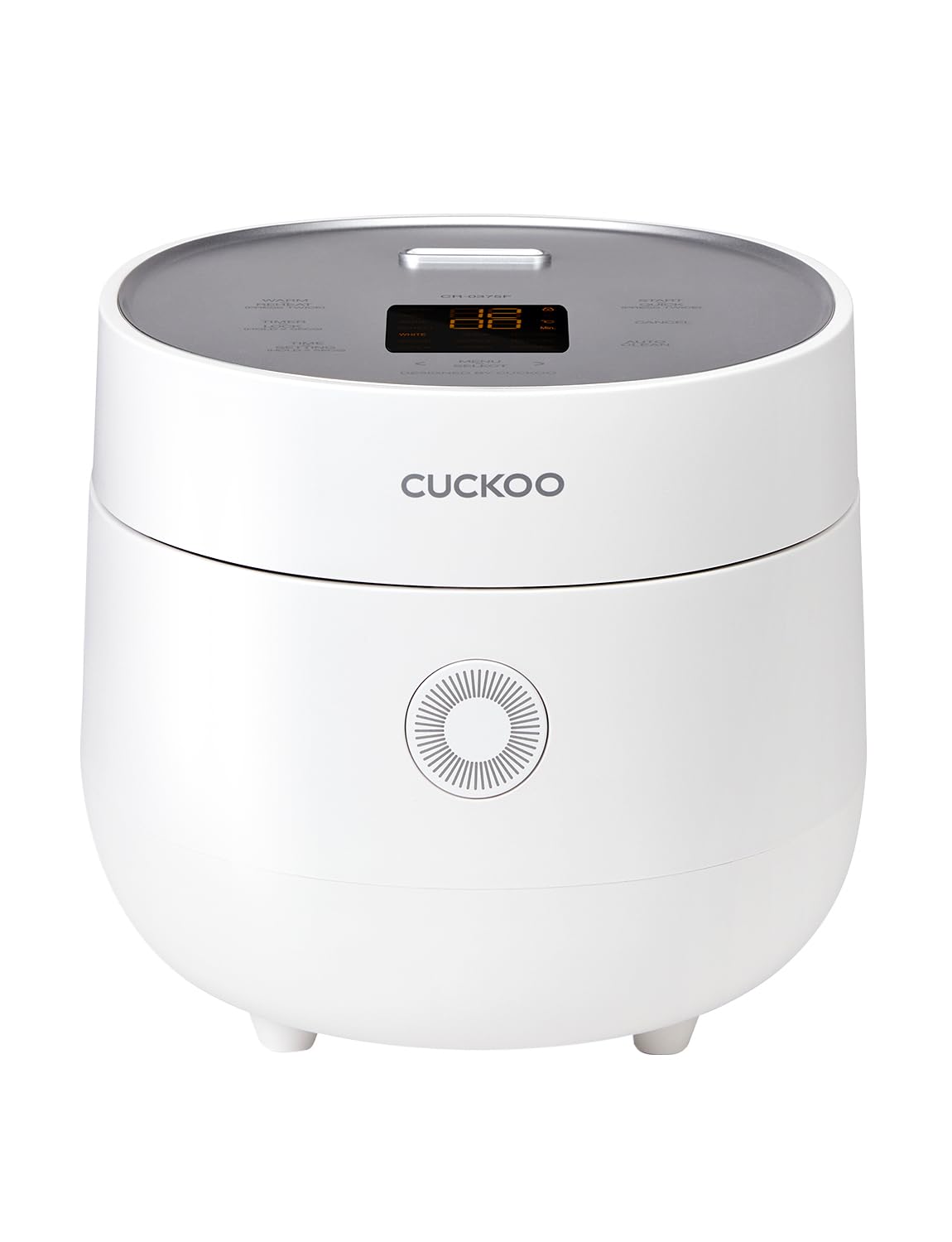
CUCKOO CR-0375FW Micom Rice Cooker – Best Smart Cooker for Rice Lovers
CUCKOO makes some of the best rice cookers on the planet, and this one proves it. The CR-0375FW uses Micom technology, which basically means it thinks for you. It adjusts cooking time and heat based on the type of rice you’re making.
The 3-cup capacity makes it ideal for smaller households or couples. But don’t let the size fool you. This thing punches above its weight. The rice it produces is soft, fluffy, and incredibly consistent. White rice, brown rice, mixed grains. It handles all of them really well.
You get multiple cooking options right out of the box. White rice, GABA rice, mixed grain, and more. There’s even a porridge setting. So if you like congee on cold mornings, this cooker has you covered without needing a separate pot.
The build quality feels premium. The lid locks tight. The inner pot is thick and heats evenly. CUCKOO also built in a voice notification so you know when your rice is ready. Small touch, but really convenient when you’re busy doing other things in the kitchen.
- Capacity: 3 cups uncooked
- Micom fuzzy logic technology
- Multiple cooking programs
- Voice notification feature
- Tight-sealing lid design
- Great for 1 to 3 people
COMFEE 2 QT Rice Cooker – Best Budget Pick for Small Households
Not everyone needs a giant rice cooker. Sometimes you’re cooking for one or two people and you just want something simple that doesn’t cost a lot. That’s exactly where the COMFEE 2 QT steps in and nails it.
This little cooker fits easily on any counter. It’s compact, lightweight, and takes up almost no space. But it still gets the job done. The 2-quart capacity holds about 3 cups of uncooked rice, which is plenty for most small households or solo cooks.
The stainless steel pot is a big deal at this price. A lot of budget cookers use flimsy inner pots that scratch or warp over time. COMFEE went with stainless, which means no worrying about coating flaking off into your food. That’s a real win for health-conscious buyers.
It also includes a steamer basket, which is a bonus you don’t usually get at this price. You can steam vegetables or fish right alongside your rice. One appliance, two jobs done at once. For someone on a budget who wants real value, this is hard to beat. Clean design, honest price, and it actually works.
- Capacity: 2 quarts (about 3 cups uncooked)
- Stainless steel inner pot
- Includes steamer basket
- One-touch simple operation
- Compact and lightweight design
- Perfect for solo cooks or couples
Hamilton Beach 8-Cup Digital Programmable Rice Cooker – Best for Big Families
If you’re feeding a big crew every night, the Hamilton Beach 8-cup model deserves serious attention. It holds up to 8 cups of uncooked rice, which translates to a lot of cooked rice. Enough for a dinner party or a large family without needing to cook two batches.
The digital display is clear and easy to use. You can set it ahead of time with the delay-start feature. So if you want rice ready the moment you walk in from work, just set it in the morning and let it do its thing. That kind of convenience is genuinely useful, not just a gimmick.
It comes with several cooking settings including white rice, brown rice, and a steam function. The keep-warm mode kicks in automatically and holds rice at a good temperature for hours. No drying out. No weird texture changes. Just warm, fresh rice waiting for you.
Hamilton Beach built this cooker to be practical. The inner pot is easy to clean. The lid is dishwasher safe. The accessories include a measuring cup and rice paddle. Everything you need is in the box. At this price for this capacity, it offers real value that’s hard to argue with.
- Capacity: 8 cups uncooked
- Digital display with delay-start timer
- Multiple cooking settings
- Auto keep-warm function
- Dishwasher-safe lid
- Great for large families or meal prepping
Instant Pot Duo 7-in-1 Electric Rice Cooker – Best Multi-Use Kitchen Appliance
Everyone has heard of the Instant Pot. But here’s the thing: it’s not just hype. The Duo 7-in-1 actually earns its reputation. It pressure cooks, slow cooks, sautés, steams, and yes, it cooks rice really well too.
If counter space is precious in your kitchen, this is your best friend. One appliance handles what used to take three or four pots and gadgets. You can brown onions right in the pot, add your ingredients, and pressure cook everything in one go. That’s genuinely helpful on busy weeknights.
The rice function works great for white rice. Brown rice takes a little experimenting to get the water ratio perfect, but once you figure it out, results are consistently good. The 6-quart size is ideal for most households, and there’s also a 3-quart version if you cook smaller portions.
Safety is well thought out here. Multiple pressure release valves, a locking lid, and overheating protection. You don’t need to babysit it. Just set it and come back when it beeps. If you want one appliance that does almost everything, the Instant Pot Duo is genuinely worth the investment.
- 7-in-1 multi-cooker functionality
- 6-quart capacity (3-quart also available)
- Pressure cooking, slow cooking, sautéing, steaming
- Built-in safety features
- Large cooking community with recipes online
- Great for versatile everyday cooking
Zojirushi NS-TSC10 Rice Cooker – Best Premium Pick for Perfect Rice Every Time
Zojirushi is what rice cooker enthusiasts talk about when they want the best. The NS-TSC10 is a mid-tier model from this brand, and even at this level, the quality difference is noticeable from the first batch of rice you make.
The Micom fuzzy logic inside this machine is genuinely impressive. It automatically adjusts temperature and cooking time depending on how much rice is in the pot and what type you’re cooking. You don’t need to think. The cooker figures it out for you. And the results speak for themselves: fluffy, perfectly separated grains every single time.
The 5.5-cup capacity is ideal for most families. It cooks white rice, sushi rice, brown rice, mixed rice, porridge, and even sweet rice. The inner cooking pan is thick and durable. The exterior stays cool to the touch during cooking, which is a safety plus if you have kids around.
The LCD display is clear and easy to read. Setting a timer or switching cooking modes takes seconds. It also has a melody or beep notification option when rice is done. Small detail, but nice to have. If you’re serious about rice and want something that performs flawlessly for years, the Zojirushi NS-TSC10 is the one to get.
- Capacity: 5.5 cups uncooked
- Micom fuzzy logic technology
- Multiple cooking settings including sushi rice
- Cool-touch exterior
- LCD display with timer function
- Best long-term investment for rice lovers
I hope this guide made your decision a whole lot easier. The right rice cooker really depends on your household size and how you cook. Going solo? The COMFEE is perfect. Feeding a big family? Hamilton Beach has you covered. Want the absolute best rice quality? Go Zojirushi. Pick the one that fits your life and your budget. You won’t regret it.
| Product | Capacity | Best For | Key Feature |
|---|---|---|---|
| Tiger JNP-S10U | 5.5 cups | Everyday family use | Simple one-button operation |
| CUCKOO CR-0375FW | 3 cups | Rice enthusiasts | Micom smart technology |
| COMFEE 2 QT | 2 quarts | Solo cooks & couples | Stainless pot + steamer |
| Hamilton Beach 8-Cup | 8 cups | Large families | Delay-start digital timer |
| Instant Pot Duo 7-in-1 | 6 quarts | Multi-use cooking | 7 functions in one pot |
| Zojirushi NS-TSC10 | 5.5 cups | Premium rice quality | Fuzzy logic precision |
Things to Consider Before Buying a Rice Cooker (Complete Guide)
Buying a rice cooker sounds simple. You walk into a store, grab one off the shelf, and go home. But then you end up with a machine that’s either too small, too complicated, or just doesn’t cook rice the way you like it.
The things to consider before buying a rice cooker are more than just size and price. There’s a lot of small stuff that makes a huge difference in your daily life. And if you get it wrong, you’ll be stuck with a cooker you barely use.
Capacity: How Much Rice Do You Actually Need?
Size matters a lot with rice cookers. And it’s easy to get this wrong. Most people either buy too small and have to cook two batches, or buy too big and end up with dried-out rice sitting in a massive pot.
Rice cooker capacity is measured in uncooked cups. So a 3-cup cooker gives you about 6 cups of cooked rice. That’s plenty for two or three people. A 5.5-cup model works well for a family of four or five. If you’re cooking for a big group or meal prepping for the week, go for 8 cups or more.
Think about your real daily habits here. Not your best-case scenario. If you cook rice three times a week for two people, a compact 3-cup model is all you need. Buying a giant cooker “just in case” means wasting counter space and electricity every single day.
- A 3-cup cooker suits 1 to 3 people
- A 5.5-cup cooker suits families of 4 to 5
- An 8-cup cooker works for large families or batch cooking
- Always measure by uncooked rice, not cooked
Cooking Technology: Basic vs. Micom vs. Induction
Not all rice cookers work the same way inside. And this is the part most people skip over, which leads to disappointing rice later.
Basic cookers use a simple on/off thermostat. They heat up, detect a temperature spike when water evaporates, and switch to keep-warm. They work fine for white rice. But they struggle with brown rice, sushi rice, or anything that needs more precision. If you eat mostly white rice, a basic model is totally fine.
Micom cookers use fuzzy logic, which means the machine actually adjusts temperature and timing during cooking. It reads what’s inside the pot and makes small corrections along the way. The result is noticeably better rice across all grain types. Induction heating takes it even further. The whole pot heats up evenly, not just the bottom. That’s why high-end brands like Zojirushi and CUCKOO produce such consistently perfect rice. Worth the extra cost if rice is a daily staple in your home.
- Basic: affordable, works well for white rice only
- Micom/fuzzy logic: smarter cooking, handles multiple grain types
- Induction heating: premium results, even heat distribution
- Match the technology to how often and what type of rice you cook
Inner Pot Material: What You’re Actually Cooking In
This one gets overlooked almost every time. People check the outside of the cooker but never think about what the pot inside is made of. That’s a mistake.
Most budget cookers use a thin non-stick aluminum pot. They work fine at first. But over time, the coating scratches and starts flaking. That’s not something you want ending up in your rice. If you’re using metal utensils or scrubbing hard while cleaning, the coating wears down fast. It’s worth checking the pot thickness when you buy.
Better cookers use thicker pots, sometimes coated with ceramic or made from stainless steel. These last longer, heat more evenly, and don’t carry the same coating concerns. Some premium models use a spherical pot design that circulates heat more evenly during cooking. It sounds fancy but it genuinely makes a difference in texture. Always check what the inner pot is made of before you buy, especially if you plan to use it every day.
- Thin non-stick coating scratches and wears down quickly
- Ceramic coating is more durable and easier to maintain
- Stainless steel pots are safe and long-lasting
- Thicker pots heat more evenly and produce better results
Cooking Programs: How Many Do You Really Need?
More settings sound great on paper. But do you actually need 15 cooking programs? Probably not.
If you mostly eat white rice and occasionally brown rice, a cooker with four or five settings is more than enough. White rice, brown rice, steam, porridge, and keep-warm covers most daily cooking needs. Adding more programs is only useful if you actually cook those things. A “cake” setting sounds cool. But if you’ve never made cake in a rice cooker, you’re paying for something you’ll never touch.
That said, certain programs genuinely earn their place. A timer or delay-start function is incredibly useful. You can load the cooker before work, set the timer, and come home to fresh rice ready to eat. A sushi rice setting matters if you make sushi at home, because it cooks at a slightly different temperature to get that sticky-firm texture right. Focus on the programs you’ll actually use and don’t let a long feature list distract you from what really matters.
- White rice, brown rice, steam, and porridge cover most needs
- Delay-start timer is one of the most useful features you can get
- Sushi rice, GABA rice, and multigrain settings matter if you eat those regularly
- Don’t pay for programs you’ll never actually use
Ease of Cleaning: Because You’ll Do It Every Day
Nobody talks about cleanup when reviewing rice cookers. But you’ll be washing this thing almost every day, so it matters more than people realize.
The inner pot should come out easily and wipe down without a fight. Non-stick pots are easiest to clean, but only if the coating is in good shape. Once it starts scratching, rice sticks and cleaning becomes a chore. Stainless steel pots take a little more scrubbing but they hold up for years without any coating issues. Always hand wash the inner pot, even if it says dishwasher safe. It extends the life of the coating significantly.
The lid is where things get tricky. Some lids have a removable inner cap that collects steam and starch buildup. If you can’t remove and wash that cap separately, gunk builds up fast and starts affecting how the cooker smells and performs. Check whether the lid or any inner parts are removable before buying. It’s a small thing that makes a real quality-of-life difference over months of daily use.
- Removable inner pot is a must for easy cleaning
- Removable lid cap keeps things hygienic over time
- Hand wash the pot even if it says dishwasher safe
- Check how many parts come apart before committing to a model
Price vs. Value: What’s Actually Worth Your Money
Price is the first thing people look at. But it shouldn’t be the only thing. Cheap cookers sometimes cost you more in the long run.
A very cheap cooker might work fine for a year or two and then stop holding heat properly or develop issues with the keep-warm function. Meanwhile, a mid-range model from a trusted brand can last five to ten years without any problems. Spread that cost over time and the more expensive option often makes more sense. Think of it like a cost-per-use calculation. A $30 cooker that lasts two years costs more per day than a $80 cooker that lasts eight years.
That said, you don’t have to go premium to get great rice. Brands like Tiger and Hamilton Beach offer solid, reliable cookers at very reasonable prices. Save the high-end budget for Zojirushi or CUCKOO if you eat rice every single day and really care about texture and consistency. For occasional rice cooking, a mid-range pick is completely fine. Be honest about how often you’ll use it, and spend accordingly.
- Budget cookers work fine but often have shorter lifespans
- Mid-range models from trusted brands offer the best everyday value
- Premium cookers justify the cost for daily use and multiple grain types
- Always factor in longevity, not just the upfront price
I hope these things to consider before buying a rice cooker help you feel confident walking into that purchase. You deserve a cooker that fits your real life, not just your best intentions. Pick the right size, the right technology, and the right build quality for how you actually cook. Do that, and you’ll get great rice every single day.
| Factor | What to Look For | Common Mistake | Quick Tip |
|---|---|---|---|
| Capacity | Match to your household size in uncooked cups | Buying too big “just in case” | 3 cups for 1-3 people, 5.5 for families |
| Technology | Basic for white rice only, Micom or induction for variety | Overpaying for tech you don’t need | Daily rice eaters should go Micom minimum |
| Inner Pot Material | Thick, ceramic or stainless steel construction | Ignoring pot quality and coating durability | Always check thickness before buying |
| Cooking Programs | Only pay for settings you’ll actually use | Getting distracted by long feature lists | Delay-start timer is the most useful feature |
| Ease of Cleaning | Removable pot and removable lid cap | Skipping this check before buying | Hand wash the pot to extend coating life |
| Price vs. Value | Calculate cost over years of use, not just upfront | Going cheapest and replacing sooner | Mid-range models often offer the best deal |
Frequently Asked Questions (FAQs)
Is it worth buying a rice cooker if I already have a stovetop?
Yes, absolutely. A rice cooker frees up your stovetop, saves you from watching the pot, and produces more consistent results. On a stove, it’s easy to burn the bottom or undercook the center. A rice cooker handles all of that automatically, so you can focus on cooking other parts of your meal without stress.
Is it safe to leave a rice cooker on the keep-warm setting overnight?
Most modern rice cookers are designed to be safe on keep-warm mode for several hours. However, leaving it on overnight is not ideal. Rice left too long can dry out, develop an odd smell, or in rare cases, grow bacteria. A few hours is fine, but it’s better to refrigerate any leftovers if you won’t eat them within four to five hours.
Can I cook other grains like quinoa or oats in a rice cooker?
Yes, you can. Most rice cookers handle quinoa, millet, and even oatmeal with a little adjustment to the water ratio. Some models have dedicated settings for different grains. If yours doesn’t, just use the white rice setting as a starting point and experiment with water amounts until you get the texture you like. It usually takes one or two tries.
Can I use a rice cooker to steam vegetables?
Definitely. Many rice cookers come with a steamer basket for exactly this reason. You add water to the pot, place vegetables in the basket, and let the steam do the work. Some models even let you cook rice on the bottom while steaming vegetables on top at the same time. It’s a great way to cook a complete side dish in one go.
Do I need to rinse rice before putting it in the cooker?
Rinsing is strongly recommended. Unrinsed rice has extra surface starch that makes it sticky and sometimes gummy. A quick rinse under cold water removes that starch and gives you fluffier, better-separated grains. Two or three rinses until the water runs mostly clear is usually enough. It takes an extra minute but makes a real difference in the final texture.
Do I need to soak rice before cooking it in a rice cooker?
Soaking is optional but helpful, especially for brown rice or thicker grains. A 30-minute soak lets water penetrate the grain more evenly, which means better texture and slightly faster cooking. White rice doesn’t really need soaking. But if you want the absolute best results from brown rice or mixed grains, soaking beforehand is a good habit to get into.
Can a rice cooker replace a slow cooker or pressure cooker?
Not fully, but the Instant Pot Duo comes close. A basic rice cooker is designed specifically for cooking grains. It won’t braise meat or make soups the way a slow cooker or pressure cooker does. However, multi-function appliances like the Instant Pot handle all of those tasks. So if you want one machine to replace many, go with a multi-cooker rather than a basic rice-only model.
Is it hard to clean a rice cooker?
Not at all. Most inner pots are non-stick or stainless steel, and they wipe down easily with a sponge. Many lids are also removable and dishwasher safe. The key is to let the pot cool before washing and avoid using harsh scrubbers that scratch the surface. A quick clean after each use keeps your cooker in great shape for years without any effort.
Do I need to spend a lot to get a good rice cooker?
Not necessarily. Budget options like the COMFEE 2 QT do a solid job for everyday use. But if you eat rice daily and care deeply about texture, spending more on a Zojirushi or CUCKOO pays off over time. Think of it this way: a great rice cooker lasts for years. Spending an extra 30 to 50 dollars for a machine you’ll use every day is absolutely worth it.
Is it possible to cook rice for a week in one batch using a rice cooker?
Yes, you can cook a large batch and refrigerate it for up to five days. A big-capacity model like the Hamilton Beach 8-cup is perfect for this. Meal prepping rice saves so much time during the week. Just portion it into containers right after cooking, let it cool, and refrigerate. Reheat with a splash of water to bring the moisture back.