As an Amazon Associate, I earn from qualifying purchases at no extra cost to you.
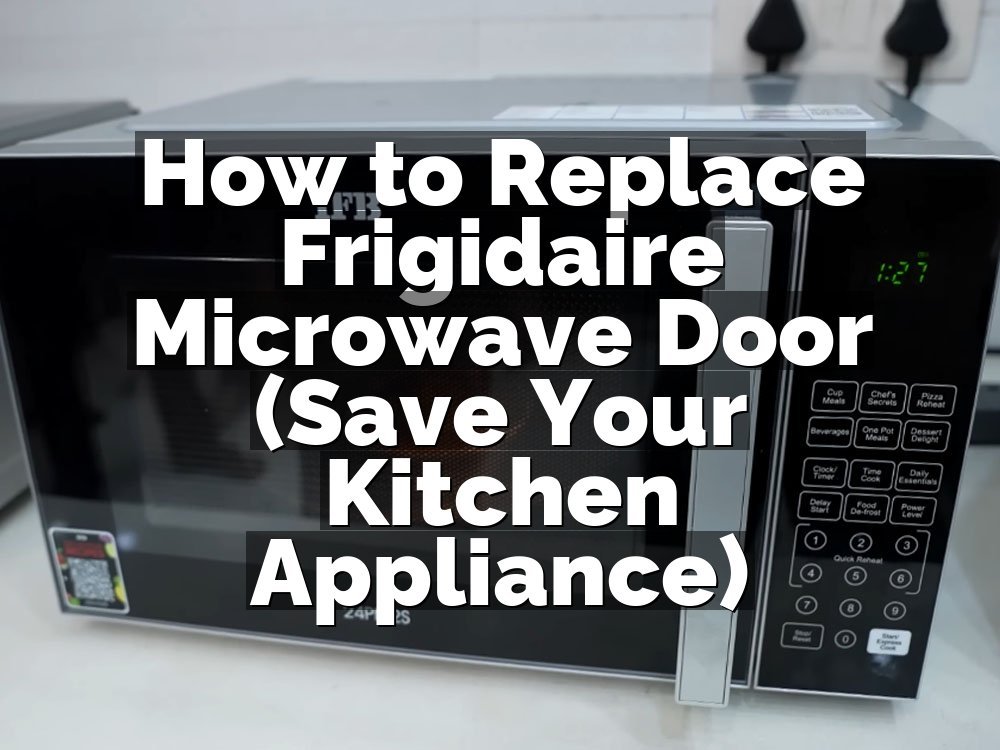
How to Fix Frigidaire Microwave Door Latch (Get Back to Cooking)
 ByZayyan

There is nothing worse than being ready to reheat leftovers only to have your microwave door refuse to shut. I have been there plenty of times with my old Frigidaire model. It makes a clicking sound, the light stays on, and the machine simply refuses to start. You do not need to call a repair person or buy a new unit just yet. I will show you how to troubleshoot the catch and get that door latch working again so you can get back to your dinner.
You need to start by unplugging your microwave for safety. Remove the screws on the top vent grille or the side trim to access the door switch assembly. Check the plastic hooks for cracks or debris, clean the area with a damp cloth, and verify the springs are still tight. If a plastic hook is snapped, you must order a replacement part to restore the lock mechanism.
Why Your Microwave Door Latch Fails
Appliances break down, and these latches deal with constant stress every single day. I have learned that a stuck door switch or a simple buildup of food grime is usually the real culprit here.
Worn Plastic Hooks
The plastic hooks on the door are what keep the unit sealed. Over time, heat makes the plastic brittle. It will eventually snap off, especially if you slam the door shut too often. Once that plastic is gone, the microwave cannot sense the door is closed, so the magnetron will not fire up. You have to replace the whole latch assembly.
Broken Return Springs
Inside the door frame, there are tiny springs that help the latch snap back into place. If one of these snaps, the hook stays stuck in the open position. You might hear a rattling noise when you move the door. This is a common issue after years of heavy use. You can usually swap these springs if you have the right tool.
Debris Buildup
Sometimes the fix is as simple as a crumb. Sticky spills from a soup boil-over can travel into the latch channel and harden. That creates a barrier that prevents the hook from moving into the socket. I once spent an hour taking mine apart only to find a piece of dried oatmeal blocking the mechanism. Always clean the area well.
Misaligned Door Hinges
If your microwave door sags, the latch will not line up with the hole in the frame. This happens when the screws in the hinges loosen over time. You might notice the door looks tilted compared to the control panel. Tightening the hinge screws usually fixes this. Make sure the door sits level before you try to force the latch closed.
Faulty Door Switch
There are small switches triggered by the latch. If the switch breaks, the microwave thinks the door is still open even when it is latched. You might hear the latch click into place, but nothing happens when you press start. This is an electrical part. You will need a multimeter to test if the switch still has continuity.
Excessive Heat Damage
Microwaves get hot, and those high temperatures can warp the plastic housing around the latch. If the housing warps, the latch will not engage properly. It creates a frustrating door alignment issue that is hard to see with the naked eye. You might need to replace the entire front panel or the door frame if the plastic housing is deformed.
Actually, let me back up a second. Make sure you are not confusing a loose latch with a blown fuse. If the unit has no power at all, check the main fuse first. If the display works, keep focusing on the door latch.
- Unplug the unit.
- Check for broken plastic.
- Clean out food bits.
- Tighten the hinges.
- Test the switches.
- Order the right part.
How to Access and Repair the Latch Assembly
Fixing this issue usually requires opening the case to see the internal hook system. You will need a screwdriver, some patience, and a bit of light to see inside.
Accessing the Inner Mechanism
You start by removing the screws on the top grille. This is usually located above the microwave door. Once that is off, you can see the top of the door frame. You might need to slide the entire unit out if the screws are hidden on the sides. Be careful not to touch the high-voltage capacitor.
This capacitor holds electricity even when the unit is unplugged. I always wait at least ten minutes before I start working inside. I use a screwdriver to safely discharge the capacitor by touching the two terminals together. It sounds scary, but it is just a safety step to keep you from getting a bad shock.
Once the power is off, you can reach the latch assembly. It sits right behind the front plastic cover. You will see two or three switches held in place by small plastic clips. Use a flashlight to check for any obvious damage. If the plastic is cracked, you need a replacement. It is a very cheap part.
Removing the Old Latch
Now you have to unscrew the latch housing from the door frame. There are usually two small screws holding it in place. Take them out and set them aside carefully. They are tiny and very easy to lose on a kitchen floor. I always put mine in a small bowl while I work.
Once the screws are out, the latch assembly should slide right out of the slot. You will see the wires attached to the door switches. Take a picture of the wiring setup before you pull anything apart. That helps when you need to put the new parts back in the right spots later on.
Gently unplug the wire connectors from the switches. Use needle-nose pliers if your fingers are too big to get a good grip. Be careful not to pull on the wires themselves, as you do not want to break a connection deeper inside the unit. Once the wires are off, the assembly is free.
Installing the New Part
Take your new latch assembly and line it up with the holes. Plug the wires back into the switches, matching the colors to your reference photo. Make sure the clips click into place firmly. A loose connection will cause the microwave to act up again in just a few weeks. Trust me, double-check it.
Slide the assembly back into the door frame. Put the screws back in and tighten them until they feel snug. Do not over-tighten them because you are screwing into plastic. If you strip the threads, you will have a much bigger problem on your hands. Just get them firm and leave them alone.
Test the door movement before you put the grille back on. Open and close the latch to make sure it clicks naturally. If it feels stiff, you might need to adjust the height of the assembly. Once it moves smoothly, you can screw the vent grille back on and plug the unit back into the wall.
- Unplug the power cord.
- Remove the top grille.
- Discharge the capacitor.
- Photograph all wiring.
- Snap in new switches.
- Tighten screws carefully.
I noticed that usually, people panic and force the door when it sticks. Please do not do that. It makes the cracked plastic hook worse and can even break the hinge. Slow and steady wins the race here.
Is It Safe to Fix the Door Latch Myself?
Fixing the latch is safe if you are careful about the high-voltage capacitor. This part stores a charge that can cause a nasty shock. Most people skip the discharge step, which is a major mistake. If you feel nervous, it is perfectly fine to hire a professional. I have done this many times, but I still take my time to ensure the power is drained.
If you are comfortable with basic tools, the mechanical part is simple. You are just unscrewing a few pieces and putting new ones in. The real danger is only electrical. If you follow the rules and keep your hands away from the capacitor after it is discharged, you will be fine. Just work slowly and stay focused on the task.
The cost of a new latch is very low compared to a repair bill. I usually find parts for under thirty dollars online. Paying a professional to come out can cost you over one hundred dollars. If you are handy, it is a great way to save money and keep your appliance running for a few more years.
- Turn off the power.
- Drain the capacitor.
- Use a flashlight.
- Organize your screws.
- Take reference photos.
- Wear safety glasses.
Can I Bypass the Door Switch to Start the Microwave?
You should never try to bypass the safety switches in your microwave. These switches are there to prevent the oven from running while the door is open. If you bypass them, you risk leaking microwave radiation into your kitchen. That is a real danger to you and your family. It is not worth the risk for a quick meal.
The switches are designed to fail in a way that stops the machine. If your microwave will not run, it is likely doing its job by staying off. Bypassing a switch creates a fire hazard and exposes you to harmful waves. I have heard stories of people trying this, and it is always a bad idea. Just replace the bad switch instead.
Always use the exact part number for your specific model. Switches look identical, but they have different ratings. Using the wrong one can cause it to melt or fail prematurely. I learned this the hard way when I grabbed a generic switch from a hardware store. It lasted two weeks before it burnt out entirely.
- Never bypass safety.
- Prevent radiation leaks.
- Stop fire hazards.
- Buy correct parts.
- Check model numbers.
- Avoid generic switches.
What If the Door Still Does Not Latch After a Repair?
If you replaced the latch and the door still does not catch, check the door hinges. Sometimes the door has sagged over time, so the hook misses the slot. You can fix this by loosening the hinge screws, lifting the door to the correct height, and tightening them back up. It is a common cause of misaligned door latch issues.
Another possibility is that the latch housing is bent. If you slammed the door a lot before fixing it, the metal frame might be warped. You can use pliers to gently bend the frame back into position. Be very gentle. You do not want to snap the metal or crack the surrounding plastic trim.
If the latch still fails, inspect the strike plate where the hook enters. Sometimes the plastic there gets worn down. You can sometimes add a small shim to the strike plate to give the hook more to grab onto. It is a quick fix, but it usually holds up well if you do it properly.
- Inspect door hinges.
- Adjust door height.
- Check for warpage.
- Bend frame gently.
- Shim the strike.
- Verify latch engagement.
How Long Does an Air Fryer or Microwave Door Latch Last?
Most latches last for about five to ten years with normal use. If you have a large family, you will wear it out much faster. I find that the failed door spring is the first sign that the end is near. Once one part starts to fail, the others usually follow soon after because they are all the same age.
If you are a heavy user, you might want to inspect the latch every few years. Look for signs of stress or small cracks in the plastic. If you see a hairline crack, replace it before it breaks completely. It is much easier to swap a part that is still in one piece than one that has shattered into bits.
Keep the area clean to help it last longer. Grease and food buildup make the latch work much harder than it needs to. A smooth-moving latch will last twice as long as a sticky one. Just wiping down the door frame once a month makes a huge difference in the lifespan of the mechanism.
- Check every year.
- Watch for cracks.
- Replace before breakage.
- Clean monthly.
- Avoid slamming.
- Expect wear-and-tear.
Final Thoughts
I hope this guide helps you get your kitchen back to normal. A broken microwave is a total headache, but you can handle this repair if you take it one step at a time. Just remember to stay safe around that electrical capacitor. If you ever feel stuck, do not be afraid to reach out to a local shop. You have got this, and your dinner will be warm again very soon.
| Problem | Likely Cause | Fix |
|---|---|---|
| Door won’t shut | Broken hook | Replace latch |
| Clicking sound | Worn spring | Swap springs |
| Unit won’t start | Faulty switch | Replace switch |
| Door looks low | Loose hinges | Tighten screws |
| Sticky latch | Food buildup | Deep clean |
| Door pops open | Bent frame | Bend back |
| No power | Blown fuse | Check fuse |
| Rattling noise | Loose parts | Tighten all |
| Warped housing | Excessive heat | Replace panel |
| Intermittent start | Bad connection | Secure wires |
Frequently Asked Questions
Is It Hard to Fix a Frigidaire Microwave Door Latch?
It is not difficult if you have basic tools like a screwdriver and needle-nose pliers. The mechanical parts are simple to swap, but you must be careful with the internal electrical components to avoid any shock.
Can I Use a Generic Part for My Microwave Latch?
No, you should always use the specific part number for your model. Generic parts often have different electrical ratings or dimensions, which can lead to fire hazards or early failure of your appliance.
Are All Microwave Latches the Same?
They are not. Each brand and model uses a unique shape and electrical setup. You must check your manual or the model number on the frame to ensure you buy the exact replacement you need.
Do I Need to Remove the Whole Microwave to Fix the Latch?
Usually, you only need to remove the top vent grille or the side trim panel to reach the latch assembly. You rarely need to pull the entire unit out of the cabinet unless the screws are hidden.
How Do I Know If the Door Switch is Broken?
If the latch clicks into place but the microwave display does not indicate the door is closed, the switch is likely failing. A multimeter test will confirm if the switch still carries power correctly.
Should I Clean the Latch Area Often?
Yes, keeping the latch channel clean prevents food buildup from jamming the mechanism. Use a damp cloth to wipe away spills and crumbs, which helps the hooks move smoothly every single time.
Will a Broken Door Latch Cause a Fire?
It can if you try to bypass the safety switches or force the unit to run while damaged. Always replace the broken parts properly to keep your home safe and avoid any electrical issues.
How Do I Discharge the Capacitor Safely?
Use an insulated screwdriver to bridge the two terminals of the capacitor carefully. This releases any stored energy, ensuring that you will not get an electrical shock while you are working inside the machine.