As an Amazon Associate, I earn from qualifying purchases at no extra cost to you.
How to Replace Samsung Microwave Door (Save Your Appliance Today)
 ByZayyan

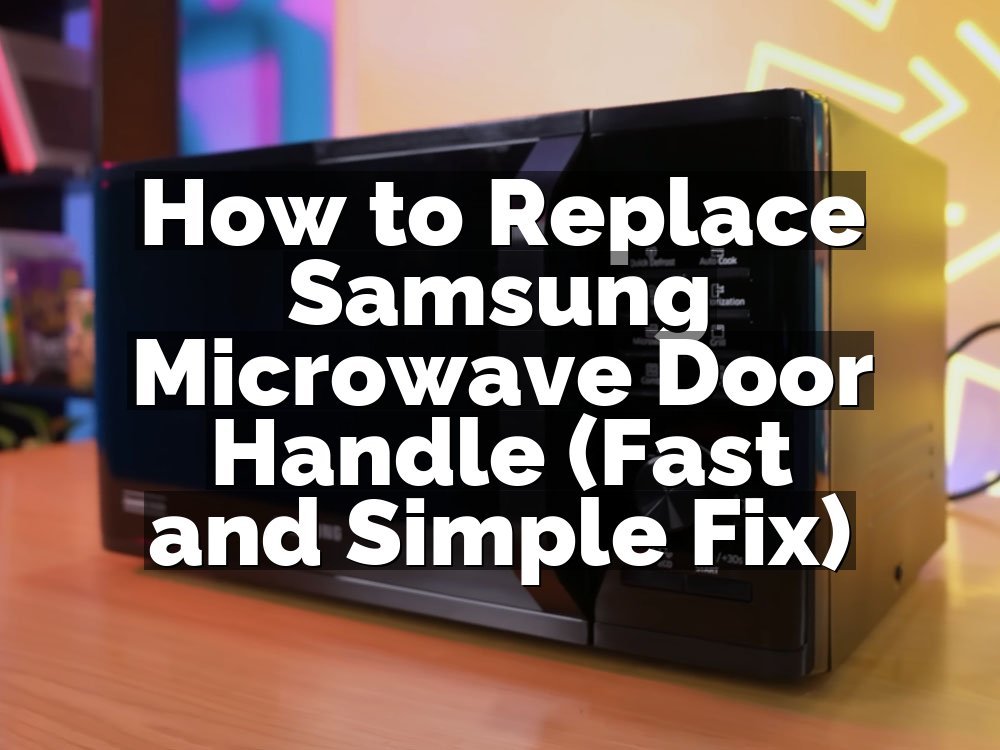
I remember the day my microwave door hinge snapped. One moment I was heating up leftover pizza, and the next, the heavy glass door was hanging by a single plastic pin. It looked like a total disaster, and I thought I would have to replace the whole unit.
Most people assume a broken door means the end of the line, but that is rarely the truth. If the frame is intact, you can usually swap the part in about twenty minutes. I will walk you through the process so you can get back to cooking without a massive repair bill or a trip to the store.
You need to find your specific model number first, which is usually on a sticker inside the door frame. Order the exact replacement door assembly from a trusted parts supplier. Do not buy a generic fit, as microwave safety depends on the seal. Once the part arrives, unplug the unit, lift the door off the hinges, and swap the components. It sounds like a big job, but it is just a few screws and some patience.
Why Your Microwave Door Fails
Microwave doors endure a lot of stress from daily use, heat fluctuations, and constant pulling. Understanding why they break helps you avoid the same mistake, so let us look at the common culprits behind a broken microwave hinge.
Plastic Fatigue Points
The internal hinges are often made of high-impact plastic. Over time, heat cycles make this material brittle. You might notice the door sags slightly before it snaps completely. This is a sign that the structural integrity is gone. If you see white stress marks near the hinge area, the plastic has already started to fail. It will not hold the door for much longer.
Heavy Usage Habits
Do you have a habit of slamming the door shut? This puts massive pressure on the spring assembly. Even if the door feels solid, the internal metal brackets can bend or crack. Over years of use, the alignment shifts. Once the door is no longer level, the catch mechanism struggles to lock. This causes uneven wear on the latch pins.
Food Debris Build Up
Sometimes the problem is not broken parts but a lack of cleaning. Sticky food spills can harden in the hinge gap. This prevents the door from closing flush. You might think the door is broken when it is just dirty. A simple scrub with a toothbrush and warm soapy water often restores movement. Always check for obstructions before you decide to replace anything.
Poor Door Alignment
When a microwave gets moved, the door frame can get knocked out of square. If you recently shifted your appliance, check the mount points. Even a tiny shift of two millimeters prevents the safety interlock from engaging. The microwave might act like it is broken or simply refuse to start. Realignment is much cheaper than buying a full replacement door assembly.
Spring Tension Loss
The metal springs inside the door provide the snap-shut action. If the door feels loose or limp, the spring has likely popped off or lost its tension. This is a common issue after a few years. You can often replace just the spring if you are handy. However, most people prefer replacing the entire door to ensure the safety seals remain airtight.
Seal Degradation Issues
The microwave door has a specialized metal mesh and gasket to keep radiation inside. If the door took a hard hit, these seals might be warped. Never try to bend the door back into shape. If the mesh is dented or the seal is broken, it is time for a new door. Safety is not a place to cut corners with DIY.
Actually, let me back up a second. Make sure you check the door switch before buying a new door. If the door looks fine but the microwave will not start, it might just be the interlock switch. That is a much faster fix than replacing the whole door.
- Unplug the power cord.
- Wear gloves for glass safety.
- Remove the old door carefully.
- Check for hidden screws.
- Align the new door perfectly.
- Test the latch mechanism.
Steps to Replace Your Samsung Microwave Door
Replacing a door assembly might seem intimidating, but it is just a series of small, manageable tasks. Keep your workspace clear, and take your time with each screw. You will finish before you know it.
Identify the Correct Model Number
Find the silver sticker on the front frame of your microwave. Write down the full model number. This is the only way to ensure the new door fits perfectly. Samsung releases many variations of the same look, so do not guess. A small digit difference can mean the difference between a secure fit and a door that will not latch.
Search online for this specific number plus the phrase door assembly. You will see several diagrams. Look for the one that matches your door style exactly. If you are unsure, call the parts dealer and give them your serial number. They usually confirm the part for you. This step prevents the frustration of ordering the wrong item.
Ordering the wrong door is a pain, and shipping it back takes way too long. Use a site that shows exploded views of the appliance. This confirms you are buying the right hardware. Once you have the tracking number, you can clear some space on your counter. Preparation is the key to a quick swap.
Remove the Old Broken Door
Open the microwave door as far as it will go. Look for the hinge screws at the top and bottom of the frame. You will likely need a Phillips-head screwdriver for this. Keep a bowl nearby for the screws so they do not roll off the counter. You do not want to hunt for tiny screws on the floor.
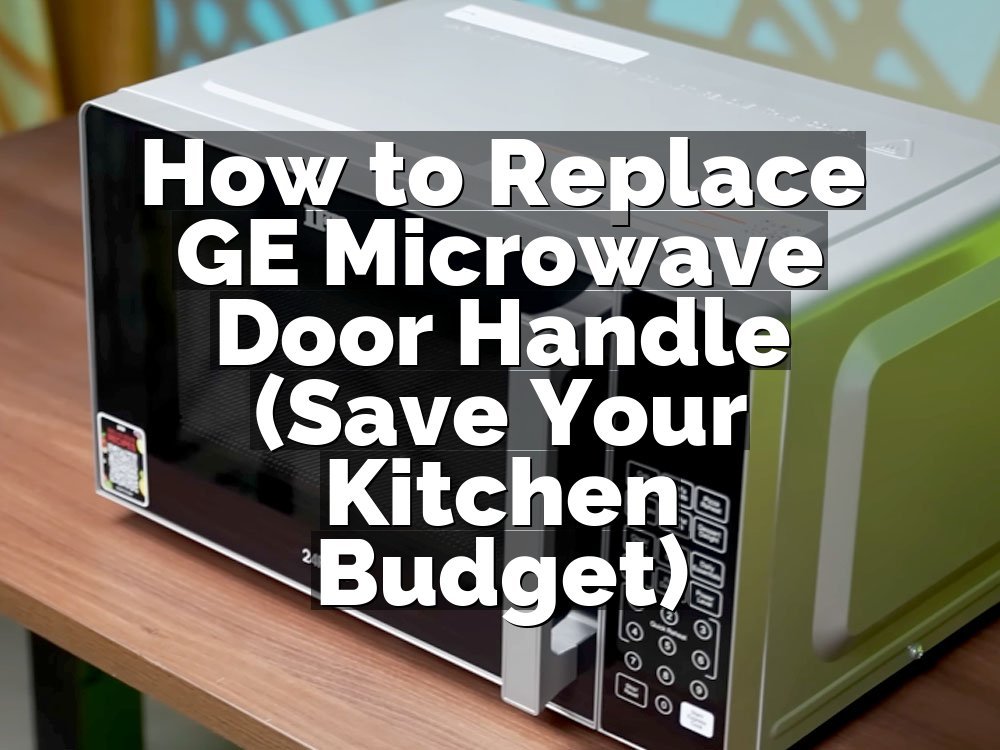
Once the screws are out, grasp the door firmly with both hands. Lift it straight up and out of the hinge brackets. It might be heavier than you expect, so hold it tight. Lay the old door on a towel on your kitchen table. Now you can remove any parts you might need to transfer, like the handle or trim.
Check the frame where the hinges attached. Wipe away any old grease or dust. This is your chance to clean the area you never reach. Make sure the hinge brackets are not bent. If they are damaged, the new door will not sit right. A straight hinge is mandatory for a safe, working unit.
Install the New Door Assembly
Take your new door and line it up with the hinge pins on the microwave. This is the only part where a second pair of hands helps. Have a friend hold the door steady while you insert the hinge screws. Start each screw by hand to avoid cross-threading. Never use a power drill for this task.
Once the hinges are in, tighten the screws until they are snug. Do not overtighten them, as you could crack the plastic frame. Swing the door open and shut a few times to check the feel. It should move smoothly without any grinding or resistance. If it feels stiff, loosen the screws slightly and adjust the alignment.
Finally, check the latch connection. The door should click shut firmly. If it feels mushy, the latch might need a slight adjustment. Most Samsung doors have a small bit of play to allow for this. Once you are satisfied with the fit, plug the unit back in. You are now ready to test the operation with a cup of water.
- Use a towel to protect your counters.
- Keep screws organized in a magnetic tray.
- Have a friend help hold the door.
- Do not force any part into place.
- Tighten screws slowly and check fit.
- Verify the door clicks into place.
Replacing a door is a great way to extend the life of your appliance. It is much better than sending a big machine to the landfill. Just be careful with the glass, take your time, and you will be back to cooking in no time.
Is the Door Latch the Real Problem
Sometimes we assume the door is broken when the latch is actually just sticky. I once spent an hour trying to fix a hinge before realizing a bit of dried syrup was blocking the latch pin. It happens to the best of us. Clean the latch area with a damp cloth first.
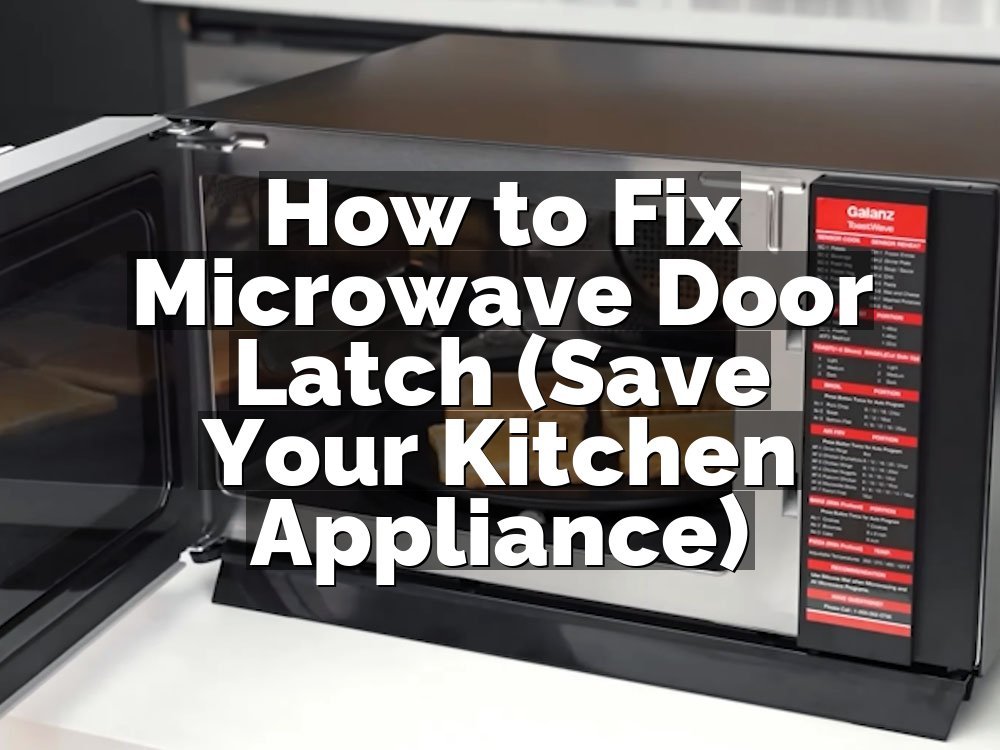
If the door does not close, check the small hook that goes into the microwave. If it looks worn down, you might just need a new plastic latch assembly. This is much cheaper than a full door replacement. A worn-out latch makes the microwave think the door is open, so it will not turn on.
Always inspect the frame for dents. If the metal is bent near the latch hole, the door will never lock. You can try to tap it back gently, but metal fatigue is real. If the frame is too warped, a new door will not solve the issue. You might need to consider a replacement microwave instead.
- Clean the latch hole thoroughly.
- Check for bent metal frames.
- Look for a worn plastic hook.
- Test the door switch engagement.
- Verify the door alignment visually.
- Avoid using strong chemical cleaners.
Can You Use Aftermarket Replacement Parts
I get asked this a lot, and the answer is usually no. Samsung microwave doors have specific metal shielding for safety. If the door does not fit perfectly, you risk radiation leakage. I only use genuine parts from authorized suppliers. It is worth the extra money for your peace of mind.
Generic parts might look similar in photos, but the internal construction is often inferior. The seal might not be as tight, or the plastic might melt under high heat. I once tried a cheap knockoff handle, and it snapped in a month. Stick to the manufacturer’s parts to ensure everything lasts.
You can find legitimate parts online by searching for your model number. Most major appliance sites carry the official Samsung stock. Compare the part numbers listed on your old door with the new one. If they match, you are good to go. Do not gamble on parts that seem too cheap.
- Buy only genuine manufacturer parts.
- Verify the part number match.
- Avoid generic knockoff assemblies.
- Check for warranty options online.
- Read reviews from verified buyers.
- Stick to reputable appliance dealers.
How Long Does a Microwave Door Last
A microwave door should last as long as the machine itself. Mine is ten years old and still going strong. The lifespan depends mostly on how you treat it. If you have kids who pull on the door, it will fail much faster. Treat the handle with care and avoid hanging towels on it.
Heat is the enemy of plastic parts. If you cook for long periods, the heat builds up inside the door frame. This eventually makes the plastic brittle. Letting the microwave cool down between long sessions helps preserve the materials. It is a small habit that makes a big difference over the years.
If your microwave door is already showing signs of age, check the screws periodically. A quick tighten once a year prevents wobbly hinges. If you notice the door starting to sag, address it before the hinge snaps. A bit of maintenance goes a long way in keeping your kitchen running well.
- Avoid slamming the door shut.
- Tighten hinge screws once yearly.
- Let the unit cool down.
- Do not hang heavy towels.
- Check for plastic stress marks.
- Clean hinges to stop wear.
Does a New Door Fix Radiation Leaks
If your old door has a dented mesh screen, you have a safety issue. The metal mesh is designed to block waves. If it is warped or cracked, the seal is broken. A new door provides a clean, intact seal. This is the only way to be sure your appliance is safe to use.
Never try to patch a damaged door mesh with tape or metal glue. That is a dangerous mistake. Radiation leaks are invisible, and you should never guess if your repair is safe. Replacing the entire door assembly is the only way to restore the factory safety standards.
If you suspect a leak, stop using the unit immediately. You can buy a cheap radiation detector online, but it is not worth the risk. Just replace the door if it is damaged. Your health is far more important than the cost of a replacement part.
- Replace doors with dented mesh.
- Never use tape on doors.
- Stop use if damaged significantly.
- Do not patch metal seals.
- Use only full assembly replacements.
- Prioritize safety over repair cost.
Final Thoughts
I hope this guide helps you feel more confident about fixing your kitchen appliances. It is a great feeling to solve a problem yourself instead of paying a repair tech. Just take your time, keep your screws organized, and prioritize safety above all else. You can handle this job easily. If you get stuck, take a break and come back with fresh eyes. You have got this, and your microwave will be back to work in no time.
| Step | Action | Tools Needed |
|---|---|---|
| 1 | Locate Model Number | Pen and Paper |
| 2 | Purchase Door Assembly | Computer/Internet |
| 3 | Unplug Microwave | None |
| 4 | Remove Door Screws | Phillips Screwdriver |
| 5 | Lift Door Off | None |
| 6 | Clean Hinge Area | Cloth and Soap |
| 7 | Position New Door | Helper |
| 8 | Install Hinge Screws | Screwdriver |
| 9 | Test Latch Action | Water Cup |
| 10 | Reconnect Power | None |
Frequently Asked Questions
Is It Safe to Repair a Microwave Door Myself?
Yes, as long as you unplug the unit first and purchase the correct, genuine replacement part. Always handle the glass carefully and ensure the new door seals perfectly to prevent any leaks.
Can I Use a Different Door Model That Looks Similar?
No, you must use the exact model number for your microwave. Microwaves have specific shielding and safety interlocks that vary by model. A different door may not close or seal properly.
Are Microwave Door Springs Sold Separately?
Sometimes, but they are often difficult to install without specialized tools. Most people find it much easier and safer to replace the entire door assembly as one complete unit.
Do I Need to Remove the Microwave From the Wall?
Usually not. Most over-the-range microwaves allow you to remove the door hinges while the unit is still mounted. Just make sure you have a secure step stool and a helper.
Does a New Door Come with the Handle Attached?
It depends on the specific part kit. Some assemblies include the handle, while others require you to transfer the old one. Check the product description before you finalize your purchase.
Should I Clean the Door Hinges with Oil?
No, do not use oil or lubricant on microwave hinges. Oil attracts dust and creates a sticky mess that will eventually jam the hinge or cause it to collect debris.
Will the Microwave Start If the Door is Misaligned?
Usually, no. Samsung microwaves have safety switches that detect if the door is fully closed. If the door is crooked, these switches will not engage, and the unit will not start.
How Do I Know If the Radiation Seal is Broken?
If you see visible dents, cracks, or gaps in the door mesh or the seal lining, the door is compromised. Do not use the microwave until you have replaced it.