As an Amazon Associate, I earn from qualifying purchases at no extra cost to you.
How to Air Fry in Panasonic Microwave (the Crispy Truth)
 ByZayyan

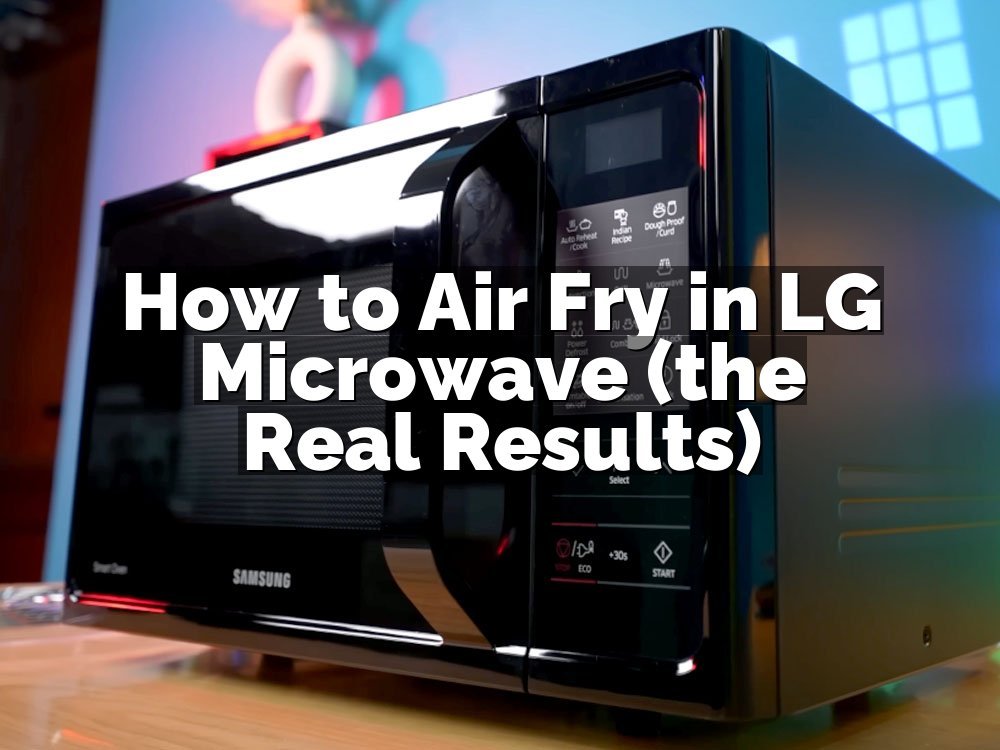
I used to think my microwave was only good for heating up leftovers or melting butter for popcorn. Then I bought a Panasonic convection model with air frying capabilities. It changed my lunch routine. You can get that golden, crunchy texture on chicken wings or fries without heating up a giant oven or dealing with a separate, clunky appliance taking up your counter space. I will show you how to pull it off.
You need to select the right mode, which is usually labeled as convection or air fry on your control panel. Always use the rack that came with your unit to let hot air circulate under your food. Preheat the machine first, arrange your food in a single layer, and keep a close eye on the timer. If you do this, you get better results than a standard toaster oven.
What Makes These Microwaves Different
Most people assume a microwave just zaps water molecules to create heat. My Panasonic unit is actually a hybrid machine that combines microwave energy with a powerful convection fan and element.
The Convection Fan Role
The fan is the heart of the air fry function. It moves hot air around the food constantly. This keeps the surface dry. Dry surfaces get crispy. If you keep the air stagnant, your food just steams in its own juices. That is how you end up with soggy fries. The fan creates a crust that mimics deep frying perfectly.
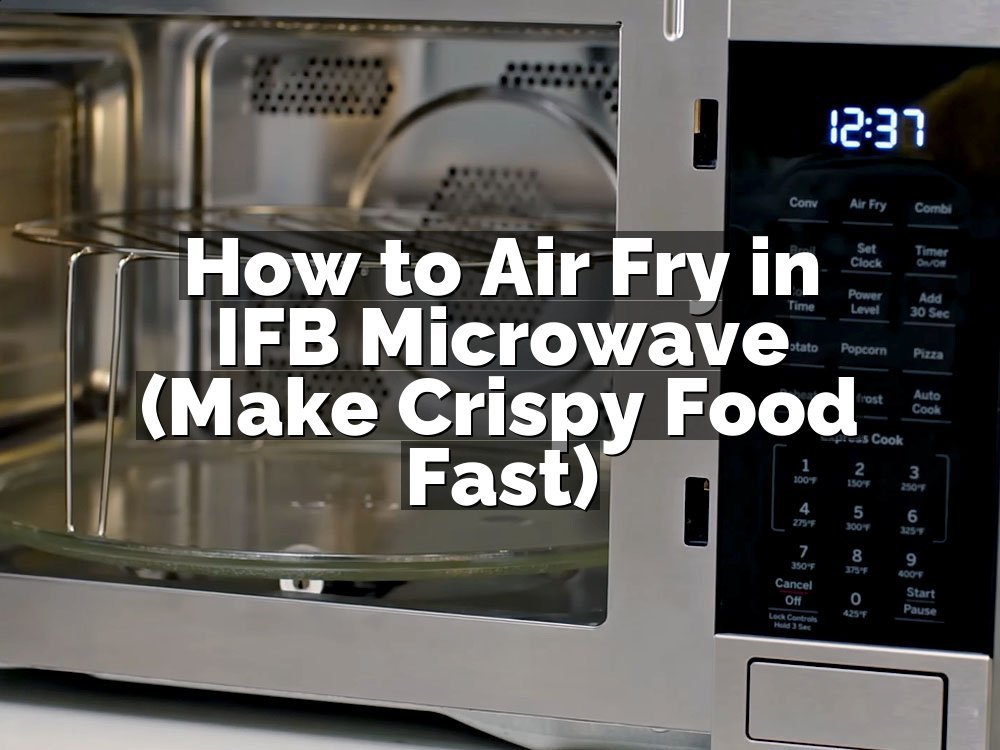
The Metal Rack Use
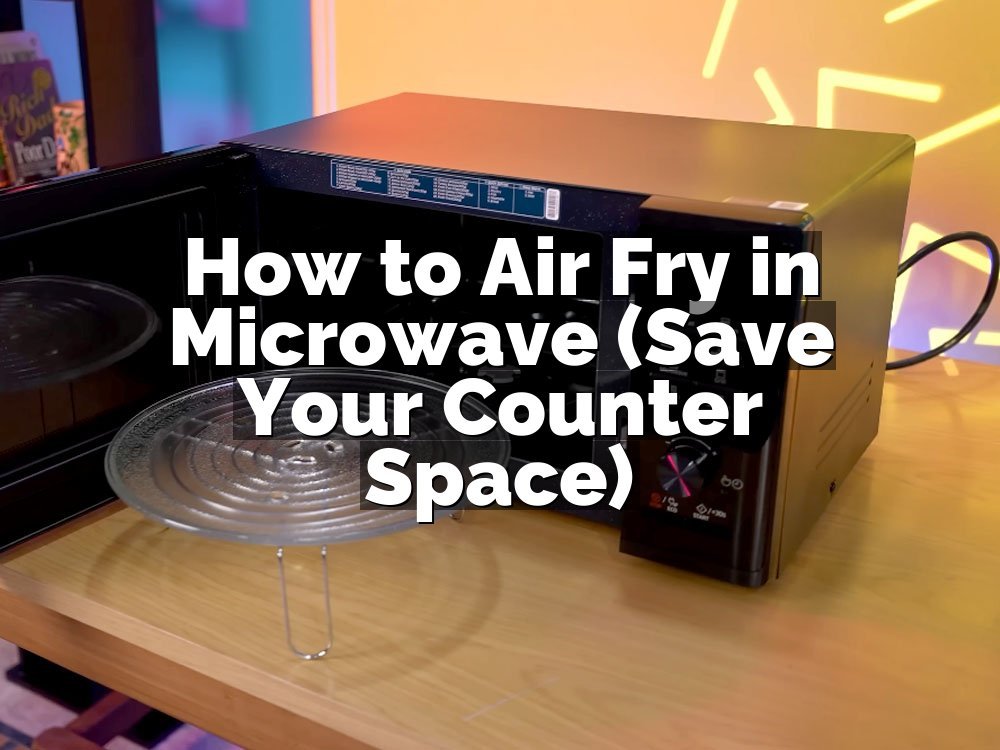
You might think metal in a microwave is a bad idea. Actually, it is necessary for this mode. The rack lifts your food off the turntable. This allows air to flow underneath the pieces. Without the rack, the bottom of your food stays soft. Always check your manual to see if you need to use the glass tray or a special pan.
The Proper Mode Selection
Do not just press the start button. You have to hunt for the specific convection or air fry setting on the keypad. Some models require you to press it twice to select the temperature. If you get it wrong, you might just be nuking the center of your chicken while the skin stays pale. Read the display screen carefully every time.
The Preheat Time Requirement
I see people skip this step all the time. It is a mistake. The heating element needs a few minutes to reach the right temperature. If you put cold food into a cold chamber, the cook time gets messy. You might burn the outside before the middle is safe to eat. Give it five minutes to warm up properly.
The Single Layer Arrangement
Crowding the tray is the enemy of crispiness. If pieces touch each other, they trap steam. That trapped steam makes everything mushy. Give each piece of food some breathing room. If you are cooking a large batch, do it in two separate rounds. It takes a little longer, but the texture difference is worth the extra few minutes of waiting.
The Food Size Importance
Small items cook faster than big ones. If you try to air fry a whole chicken wing versus a tiny piece of popcorn chicken, the timing will be way off. Cut your vegetables into even chunks. Uniform size means everything finishes at the same time. You will avoid the frustration of having half your meal burnt while the rest is raw.
Actually, let me back up a second. Make sure you clear the turntable path. If the food hits the wall, it stops turning. That creates a hot spot that will ruin your meal.
- Always check the rack height.
- Use a light spray of oil.
- Avoid using plastic utensils.
- Clean the filter monthly.
- Flip food halfway through.
- Test one batch first.
How to Get Perfect Results Every Time
Getting the hang of this takes a little bit of practice. The settings on these machines are a bit different from a standalone air fryer. I noticed that the internal temperature can climb faster than expected.
Choose Your Settings
You must push the convection button until the temperature matches your recipe. Most of these units go up to 425 degrees. I usually stick to 375 for frozen snacks. If you go higher, you might get a dark crust while the inside is still frozen. Dial it in before you start the preheat.
You also need to think about the microwave power setting. Some Panasonic models combine heat and waves. This is a skipped descaling for over a year type of mistake if you are not careful. Use convection only for crisping. Do not use the microwave power if you want a crunchy finish. It just cooks the moisture out.
Finally, confirm your time. Start with ten minutes. You can always add more time. You cannot take time away once the edges are charred black. If you are worried, check the food at the eight minute mark. It is better to be safe than sorry when you are learning a new machine.
Prepare the Food
Pat everything dry with a paper towel. Moisture is the biggest hurdle to getting a good crunch. If you are cooking frozen fries, shake them well to remove any ice crystals. Those crystals turn into water inside the chamber. Water equals steam. Steam prevents the browning that we all want when we use the air fry setting.
Season your food before you place it on the rack. If you add salt or spices after cooking, they might fall off or not stick. I like to toss my veggies in a bowl with a tiny bit of oil and seasonings. It ensures an even coating. Do not go overboard on the oil either. A teaspoon is enough for a full tray.
Place the seasoned food on the rack in a neat grid. Make sure nothing hangs over the edge. If you have a drip pan included, place it on the glass tray to catch any grease. This keeps the bottom of your microwave clean. It also saves you from scrubbing the turntable later on when the meal is done.
Monitor the Cooking
Stay in the kitchen while the machine runs. You can hear the heating element temperature stabilize if you listen closely. If the smell of burning oil hits you, open the door. You might need to rotate the food or flip it. Small adjustments mid-cycle often save a meal. It is a quick way to ensure even browning.
Do not be afraid to pull the rack out to check the color. If the bottom of your chicken is still light, flip it over. Using tongs is safer than your fingers. If you notice one side getting dark, shift the food to a different spot. These fans are powerful but they can create uneven spots inside the box.
The last few minutes are when the magic happens. Watch the crust closely. It goes from golden to dark brown in seconds. Once it looks perfect, pull it out immediately. Carryover heat will finish the cooking process on the counter. If you leave it in too long, you risk drying out the meat inside.
- Select the convection mode.
- Use the metal rack properly.
- Preheat for five minutes.
- Dry the food thoroughly.
- Keep the tray clean.
- Flip items mid-cycle.
You really have to watch the browning process. A blender leaking from the bottom is a different type of headache, but burning your dinner is a waste of money. Stay near the microwave and trust your eyes more than the timer.
Is This Faster Than a Normal Oven
Using this feature is usually much faster than waiting for a giant oven to heat up. An oven takes twenty minutes just to hit 400 degrees. My Panasonic takes less than five. You save time on the preheat and the actual cook time because the cavity is smaller. It is great for quick weeknight dinners.
I find that the air circulation is more intense in this smaller space. The air moves faster around the food. This means that my breaded shrimp get crispy in about twelve minutes. That is at least five minutes faster than my wall oven. It is efficient for small batches.
However, do not expect it to handle a large turkey. You are limited by the size of the glass tray and the height of the rack. If you try to stuff too much in, the air cannot move. You will lose the benefit of the convection. Stick to portions that fit easily on the provided wire rack.
There is also the matter of cleaning. My wall oven is a nightmare to scrub. The microwave tray just needs a quick rinse. I wipe out the interior with a damp cloth after it cools down. It takes me less than two minutes to clean up. It is a much better experience for a quick snack.
- Oven preheat takes too long.
- Small cavity focuses heat.
- Faster for frozen items.
- Perfect for single servings.
- Easier to clean daily.
- Saves energy on small loads.
Can I Use My Own Metal Pans
You can use metal pans but you have to be very careful. Check your manual first. Some models allow specific types of metal trays. I prefer to use the rack provided by the manufacturer. It is designed to sit safely inside the chamber without causing sparks. It is the safest way to get the best result.
If you decide to use a baking sheet, make sure it is not too large. It must not touch the walls of the microwave. If the metal touches the wall, it can cause arcing. That looks like lightning inside your machine. It is scary and can damage the electronics. Keep a one-inch gap on all sides of the pan.
Avoid using thin aluminum foil. It can fly around due to the high-speed fan. A piece of foil hitting the heating element is a fire hazard. If you must use foil, tuck it tightly under the food. Or just use a piece of parchment paper designed for high heat if you are worried about the food sticking to the rack.
Actually, let me back up a second. Most manufacturers prefer you to use the rack for airflow. Pans can block the air from hitting the bottom of the food. If you block the air, you are not really air frying. You are just baking in a small, metal box. That is not the same thing at all.
- Follow the manual guidelines.
- Keep gaps from walls.
- Avoid loose aluminum foil.
- Use parchment if necessary.
- Prioritize the wire rack.
- Never let metal spark.
What Are the Most Common Mistakes
One mistake I see is people forgetting to remove the glass tray. Some Panasonic models require you to remove it when you use the convection rack. Check your specific model number. If you leave it in when you should take it out, you can crack the glass. Heat and glass do not always get along well.
Another issue is ignoring the how long an air fryer lasts guidelines by never cleaning the interior. If grease builds up on the walls, it will start to smoke. That smoke will ruin the taste of your food. It also creates a film that is hard to remove later. Wipe it down after every use once it is cool.
Do not use high-heat sprays directly inside the box. Spray your food on a plate first. Then move it to the rack. The overspray from the oil can stick to the walls and the heating element. It becomes a sticky mess that is nearly impossible to clean. It also causes the unit to smell like burnt oil forever.
Lastly, do not walk away for too long. These machines are fast. A batch of frozen nuggets can go from perfect to charcoal in two minutes. Set a timer on your phone if you have to leave the room. It is a simple step that saves you from ordering takeout because you ruined the main course.
- Removing the glass tray.
- Ignoring grease buildup inside.
- Spraying oil near elements.
- Leaving food unattended too.
- Using the wrong accessories.
- Skipping the cleaning phase.
Why Does My Food Come Out Soggy
Soggy food usually means too much moisture. You might be overcrowding the tray. If the pieces touch, they steam. You need that air to reach every single side of the item. Try cooking half the amount next time. You will see a huge difference in the texture. It is a simple fix that works every time.
Another culprit is the signs of a bad wheel bearing in the turntable motor. If the plate does not spin, the food cooks unevenly. One side gets hot while the other stays cold. You might see the plate stutter. That usually means crumbs are stuck in the track. Give it a good cleaning and make sure it sits flat.
Maybe you are using the wrong power setting. If you accidentally leave the microwave power on, the food will soften. Convection is for crisping. Microwave power is for heating. Keep them separate. If your machine allows a combination, use it only for thick meats that need to cook through. For fries, stick to convection only.
Finally, check your food choice. Some breaded items are not meant for air frying. They need a deep bath of oil to turn crispy. If the coating is thin or poor quality, it will never get crunchy in a microwave. Try a different brand of frozen snack. Sometimes the product itself is the problem, not your machine.
- Too many items crowded.
- Plate not spinning correctly.
- Incorrect power mode used.
- Poor quality breaded items.
- Not patting food dry.
- Excess steam trapped inside.
Final Thoughts
I hope this helps you get more out of your Panasonic microwave. It really is a versatile tool once you get past the initial learning curve. Don’t be afraid to experiment with different settings or times. Start with something simple like frozen potatoes and work your way up to fresh chicken. You will be surprised by how crispy everything gets. Keep it clean and watch it closely. You will be air frying like a pro in no time!
| Feature | Air Fry Mode | Microwave Mode |
|---|---|---|
| Heat Source | Convection Fan | Magnetron Waves |
| Texture | Crispy and Brown | Soft and Steamed |
| Cookware | Metal Rack | Glass or Ceramic |
| Speed | Medium | Very Fast |
| Food Type | Fried Snacks | Leftovers |
| Preheat | Required | Not Required |
| Moisture | Low | High |
| Energy | High Heat | Wave Energy |
| Cleanup | Moderate | Easy |
| Result | Crunchy | Moist |
Frequently Asked Questions
Is It Safe to Use Metal Racks?
Yes, it is perfectly safe as long as you use the rack that came with your Panasonic microwave. These are designed to be used in convection mode. Never use random metal pans that touch the sides.
Can I Air Fry Fresh Vegetables?
You definitely can. Just toss them in a bit of olive oil and your favorite seasonings first. Arrange them in a single layer on the rack and check them often to avoid burning.
Are the Results As Good As a Standalone Air Fryer?
They are very close. A dedicated air fryer has a stronger fan, but a Panasonic convection microwave does a great job. Most people cannot tell the difference in a blind taste test.
Do I Need to Flip the Food Halfway?
Yes, flipping is important. It ensures the air hits all sides of the food. It prevents one side from becoming too dark while the other remains pale or soft.
Should I Use a Drip Pan?
I recommend it. Place a tray on the glass turntable to catch any falling crumbs or grease. It makes cleanup much faster and keeps your microwave smelling fresh.
Will My Microwave Smell Like Oil?
Not if you keep it clean. Wipe the walls down after every use. If you notice a lingering smell, run a bowl of water with lemon juice for five minutes.
How Long Does a Batch Take?
It depends on the food. Most frozen snacks take ten to fifteen minutes. Always start with a shorter time and check the browning level before adding more minutes.
Does This Mode Use Microwave Energy?
Only if you select a combination setting. If you select pure convection or air fry, it uses the heating element and fan. You can check your manual for exact details.