As an Amazon Associate, I earn from qualifying purchases at no extra cost to you.
How to Air Fry in IFB Microwave (Make Crispy Food Fast)
 ByZayyan

Most people assume their microwave just reheats cold coffee or pops corn. They miss the real magic hidden in those button settings. If you own an IFB microwave with a convection mode, you have a powerful air fryer sitting on your counter. Let me show you how to stop wasting space and start using your machine for proper, crunchy cooking.
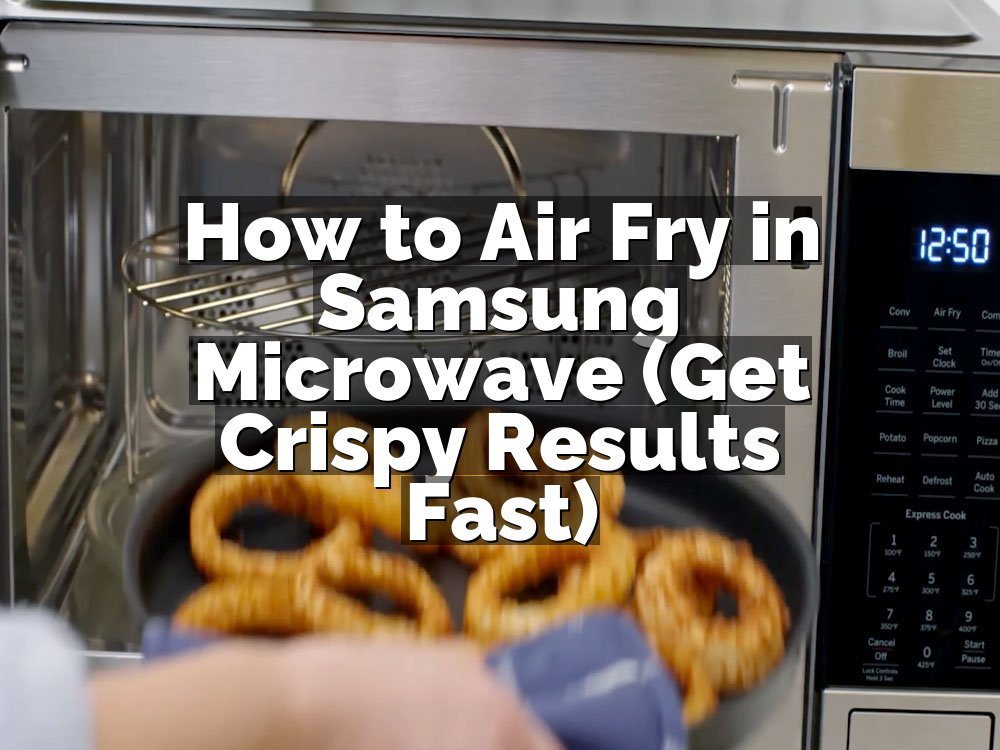
You need to select the Convection mode, not the Microwave mode, to get that air-fried finish. Preheat the oven to 200 degrees Celsius first. Use the high rack to let hot air hit your food from all sides. Brush a tiny bit of oil on your food, then cook for 15 minutes and flip halfway through.
Understanding Your Convection Microwave Features
Your IFB microwave works like a tiny, high-powered fan oven. It circulates hot air around your food to mimic the results of a deep fryer without all the extra fat.
The Convection Fan Role
The fan is the heart of your crisping process. When you activate convection mode, the machine turns on a heating element and a fan to move air. This constant movement pulls moisture away from the surface of your food. Without the fan, you just bake your dinner. With it, you get that crunch you crave on your favorite snacks.
The Metal Rack Position
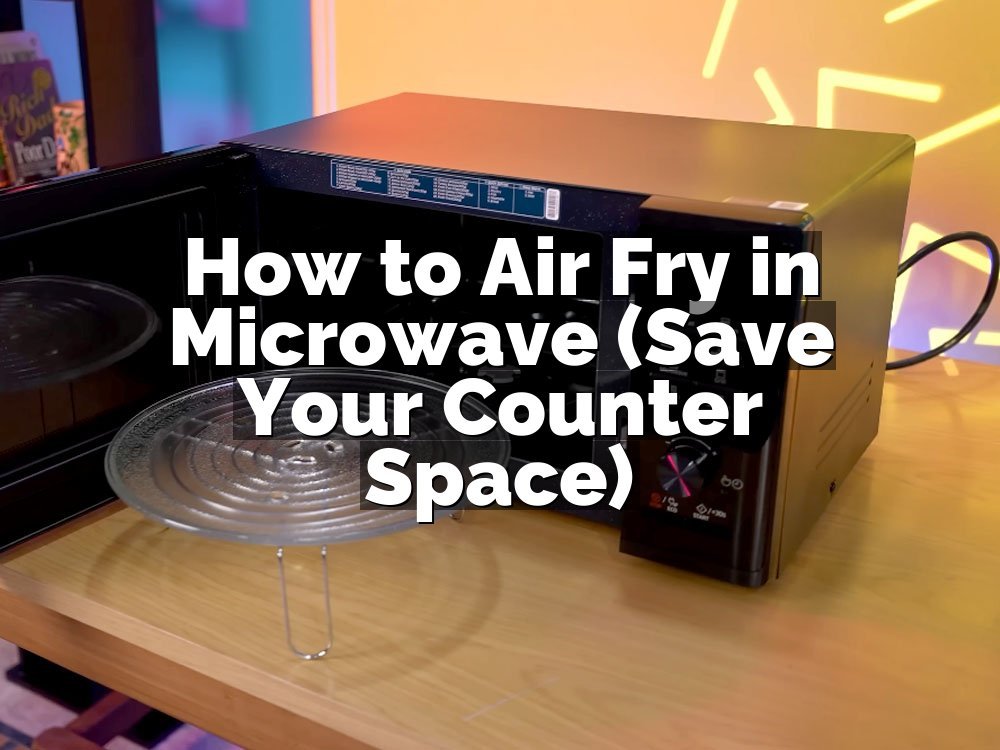
Place your rack in the middle or top position for the best airflow. If you put food directly on the turntable, the bottom will stay soggy because the heat cannot reach it. The rack lifts your food into the flow of hot air. This simple change stops you from having a soggy bottom on fries every single time.
The Preheating Requirement
Always let the oven reach its target temperature before you put food inside. If you skip this, the microwave takes too long to heat up. Your food will sit in a cool box and lose its texture. Just like a standard oven, the initial blast of heat sets the crust of your food quickly.
The Oil Usage Tip
Air frying is not magic. You still need a light coating of oil to help the heat transfer. Use a brush or a spray bottle to apply a thin layer of olive or vegetable oil. Do not drown your food. A light mist is enough to turn your potato wedges into golden, crispy treats instead of dry, sad sticks.
The Food Spacing Rule
Crowding the basket or the rack is a common mistake. If the pieces touch, they steam each other instead of crisping. Give each piece of chicken or vegetable some breathing room. If you have a lot of food, cook it in two smaller batches. Patience here is the difference between mushy bits and crunchy perfection.
The Temperature Settings
Keep your dial between 180 and 220 degrees Celsius for most jobs. Lower heat will dry your food out before it gets crisp. Higher heat might burn the outside while the middle stays raw. Start at 200 for ten minutes. Check the color. If it looks pale, add three more minutes to the timer.
Actually, let me back up a second. Make sure you are using the right pans. Never use plastic or thin glass in convection mode. Use the metal tray that came with your IFB unit. It handles the heat without cracking or melting. Stick to metal or ceramic that clearly says it is safe for high-heat ovens.
- Always use the metal wire rack.
- Check your manual for the convection icon.
- Preheat for at least five minutes.
- Flip food once during the cycle.
- Avoid piling food on top of each other.
- Let the unit cool before cleaning.
Steps for Perfect Air Fried Results
Setting up your IFB microwave for air frying requires a few specific steps. Once you get the flow, you will never go back to the old way of cooking.
Select the Convection Mode
Press the convection button on your control panel until you see the temperature display. Use the dial to set your desired heat level. Most air-fried foods need 200 degrees. Wait for the machine to beep. This signal tells you it is ready. This is the most important step for success in your cooking.
Use the High Metal Rack
Place the high rack onto the glass turntable. The height is essential for circulating air. If you use a low rack, the food stays too far from the fan. The air will not move well enough to create a crust. You want the food sitting right in the path of the heat.
Prepare Your Ingredients Well
Pat your food dry with a paper towel before adding oil. Moisture is the enemy of crispiness. If you have excess moisture on vegetables, they will steam instead of fry. Toss your food in a bowl with a tablespoon of oil and your spices. Coat every piece evenly. Do not skip this step.
Arrange Food in Single Layers
Spread your ingredients across the rack in one even layer. Do not let them overlap or touch. If you have too much food, cook it in batches. Overloading the rack traps air and moisture. The result is uneven cooking and soft spots. Your food needs space to breathe and get crunchy.
Monitor the Cooking Time
Set your timer for ten minutes initially. Most frozen snacks take about twelve to fifteen minutes to finish. Check the food halfway through the cycle. If one side looks browner than the other, give the rack a quick turn. Keep an eye on the color to prevent any accidental burning.
Let the Food Rest
Take the food out carefully with oven mitts. Let it sit on a plate for two minutes. This allows the internal steam to escape. Your crust will harden slightly during this time. Serving immediately might make your food feel soft to the touch. Wait a moment for that perfect, satisfying crunch before you dig in.
- Select the correct temperature setting.
- Place rack in the high position.
- Remove all excess water first.
- Arrange food in single layers.
- Rotate the tray halfway through.
- Allow cooling for two minutes.
Cooking this way is fast, but you must watch the first batch closely. Every microwave heats a little differently. If your first batch burns, lower the heat by ten degrees next time. Keep notes on what works for your specific model.
Why Does My Food Taste Soggy?
Soggy food usually happens because you skipped the preheating stage. When the air inside is not hot enough, the food just sits there. It absorbs the oil but fails to create a crisp exterior. Always wait for that preheat beep.
Another reason is excess moisture. If you wash your vegetables and do not dry them, the water creates steam. Steam ruins the crunch. Use a clean towel to dry everything before you add oil.
Do not skip the oil entirely. Some people think air frying requires no oil, but a light spray is necessary. It helps the surface of the food brown properly. Without that fat, you get a dry, chalky taste.
Sometimes the rack is the problem. Ensure you are using the high wire rack that came with your IFB microwave. Using a flat plate or the glass tray prevents air from moving beneath the food.
- Preheat until the oven reaches heat.
- Dry food with a paper towel.
- Use a light mist of oil.
- Use the high metal rack.
- Do not crowd the rack space.
- Flip food halfway for evenness.
Can I Use Aluminum Foil in Convection?
Using foil is okay if you are careful. Many people worry about sparks, but that only happens in microwave mode. In convection mode, the machine acts like an oven. Foil is perfectly fine for catching drips.
Make sure the foil is flat against the tray. If the edges stick up, the fan might blow them around. Loose foil can hit the heating element and cause a fire. Keep it secure and low to the base.
Using foil makes cleanup much easier. You can line your tray and simply toss the mess when you finish. It keeps grease from staining the metal tray over time. Just ensure it does not touch the walls of the unit.
I like to use foil for messy items like chicken wings or marinated veggies. It catches the dripping fat that would otherwise bake onto the tray. It is a simple trick that saves you twenty minutes of scrubbing later.
- Only use foil in convection mode.
- Avoid using foil in microwave mode.
- Keep the edges flat and secure.
- Do not cover the fan vent.
- Use it to simplify your cleanup.
- Ensure it does not touch walls.
What Are the Best Foods to Air Fry?
Frozen snacks are the easiest place to start. French fries, nuggets, and mozzarella sticks respond well to this method. They are already partially cooked, so they crisp up in under ten minutes.
Vegetables like broccoli, cauliflower, and Brussels sprouts turn out fantastic. Toss them in olive oil and salt. Roast them at 200 degrees until they get dark, charred edges. They taste much better than boiled or steamed veggies.
Fresh chicken pieces work well too. Bone-in thighs or drumsticks get very juicy inside while the skin becomes crispy. Just be sure to check the internal temperature. Use a probe thermometer to avoid undercooked meat problems when testing thick pieces.
You can even bake small items like cookies. Convection is excellent for baking because it distributes heat evenly. Just keep the temperature about 15 degrees lower than a standard oven recipe calls for.
- Frozen fries and potato wedges.
- Fresh broccoli and cauliflower florets.
- Chicken wings and drumsticks.
- Breaded fish or tofu bites.
- Small batches of cookies.
- Roasted chickpeas for snacks.
How Do I Clean the Microwave After?
Cleanup starts with letting the unit cool. Never wipe down a hot interior. Once it is cool, remove the rack and wash it with soap and warm water. A soft sponge usually takes off any leftover grease.
If you see burnt bits on the floor of the microwave, use a damp cloth. Do not use steel wool or harsh scrapers. You might scratch the finish and cause rust. A little baking soda paste works wonders on stubborn spots.
Check the fan vent area once a month. If you see dust or grease, wipe it out carefully. A clean vent helps the fan run efficiently. This prevents the appliance overheating during use later on.
Wipe the glass door with a soft cloth to keep it clear. Seeing your food clearly helps you track the browning process. A dirty door just makes you open it to check, which releases precious heat.
- Wait for the unit to cool.
- Wash the rack with soap.
- Wipe the interior with damp cloth.
- Use baking soda for grease.
- Check the vent for debris.
- Clean the glass door often.
Final Thoughts
I hope this helps you get more out of your kitchen setup. It really is a simple process once you stop trying to use the microwave buttons for everything. Just remember to use the rack and keep your food dry. Those two things will change your cooking life. Now, go grab some potatoes and try it out for yourself tonight.
| Ingredient | Temp (C) | Time (Min) |
|---|---|---|
| Frozen Fries | 200 | 12 |
| Chicken Wings | 200 | 20 |
| Broccoli | 190 | 10 |
| Frozen Nuggets | 200 | 8 |
| Cauliflower | 190 | 12 |
| Potato Wedges | 200 | 15 |
| Brussels Sprouts | 200 | 12 |
| Mozzarella Sticks | 200 | 6 |
| Breaded Fish | 200 | 10 |
| Tofu Cubes | 200 | 15 |
Frequently Asked Questions
Is It Safe to Use Metal in Convection Mode?
Yes, it is perfectly safe. Convection mode uses a heating element and a fan just like a standard oven. You can use your metal baking trays and the metal rack that came with your IFB microwave without any risk of sparks.
Can I Air Fry Without Oil?
You can, but the results will be dry. A light mist of oil helps brown the surface and improves the crunch. Without oil, the food often feels chalky or rubbery, so a small amount is always better for the final texture.
Are Microwave Air Fryer Results As Good As a Dedicated Air Fryer?
They are very close. A dedicated air fryer has a smaller chamber and a stronger fan, so it might be slightly faster. However, your IFB convection microwave does an excellent job and saves you from having another large appliance on your counter.
Do I Need to Flip Food Halfway?
Yes, flipping is necessary. The air circulates well, but the bottom of the food still gets less heat than the top. Flipping ensures that both sides get equally crispy and golden, which prevents having one side that stays pale or soft.
Should I Use Parchment Paper?
Parchment paper is fine, but it can fly around in the strong airflow. If you use it, ensure the food is heavy enough to hold it down. Foil is usually a better choice because it stays flat and is easier to secure.
Will the Microwave Get Hot on the Outside?
Yes, the exterior can get warm during a long cooking cycle. This is normal for convection ovens. Make sure you keep a few inches of space around the unit so the heat can escape properly and the vents stay clear.
Does Convection Mode Cook Faster Than a Normal Oven?
It often cooks faster because the fan keeps hot air moving constantly against the food. This heat transfer is much more efficient than a traditional oven. Check your food a few minutes early to ensure you do not burn it.
How Often Should I Clean the Fan Vent?
Check the vents every few weeks. If you notice a buildup of grease or dust, wipe it out with a damp cloth. Keeping the airflow clear ensures the fan can move air properly, which is key for getting that crispy texture.