As an Amazon Associate, I earn from qualifying purchases at no extra cost to you.
6 Best Pressure Cooker (Buying Guide) 2026
 ByZayyan

Picking a pressure cooker felt impossible to me at first. So many options, so many specs, so much confusion. You just want something that works, right? The top 6 best pressure cooker options are out there, but knowing which one fits your kitchen takes real guidance. In this article I will show you exactly which ones are worth your money.



Top 6 Best Pressure Cookers You Can Buy Now
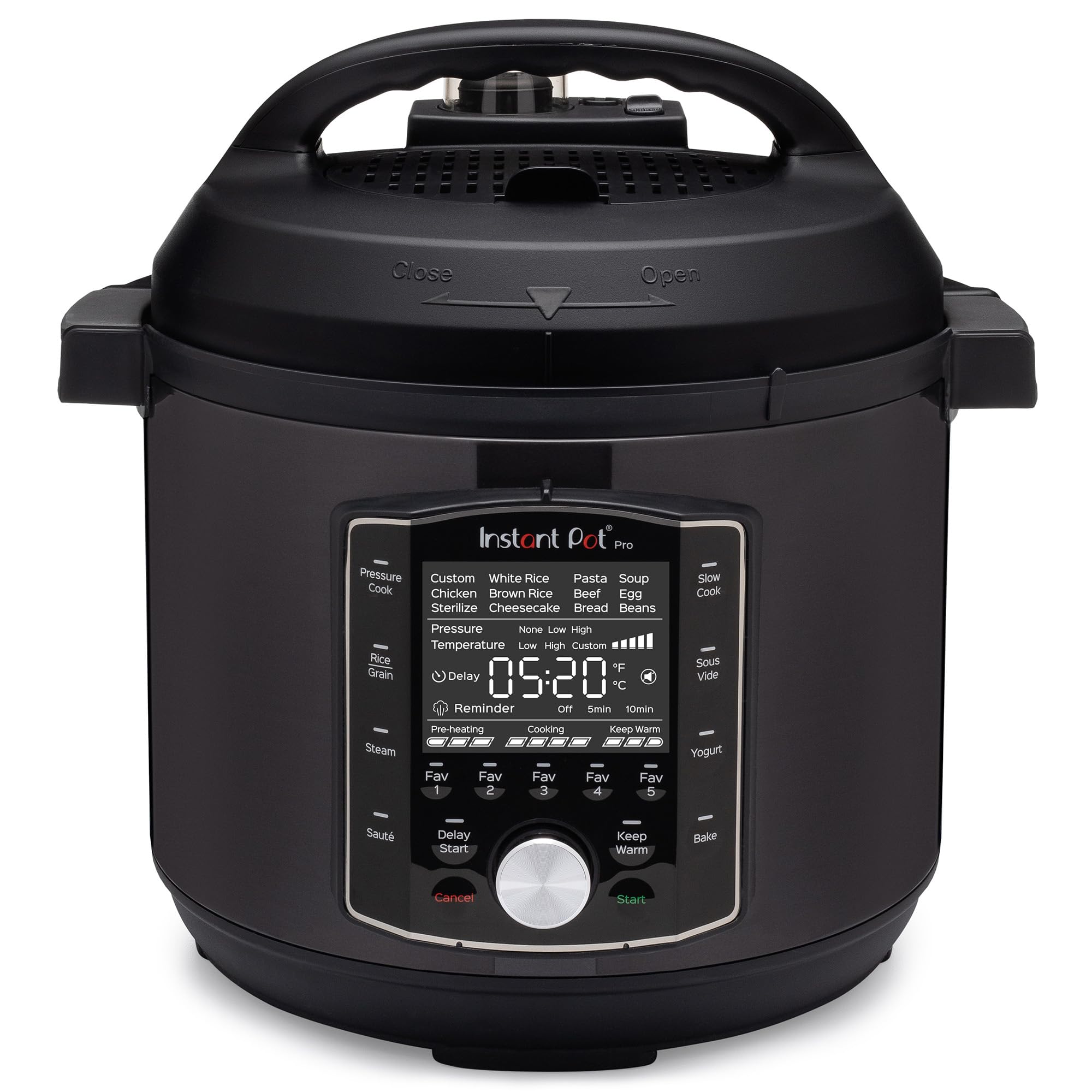
Instant Pot Pro 10-in-1 Slow Cooker, Best for Everyday Versatility
The Instant Pot Pro is one of those kitchen tools you reach for almost every single day. It does pressure cooking, slow cooking, sautéing, steaming, sterilizing, and more. Ten functions in one pot. That means less clutter on your counter and more room for things that actually matter.
What makes this one stand out is how easy it is to use. The control panel is clean and clear. You press a button, set the time, and walk away. It’s honestly that simple. If you’re someone who gets nervous around kitchen gadgets, this one will calm you down fast.
The 6-quart size is perfect for most families. You can cook a whole pot of dal, a big batch of chicken curry, or even a cheesecake in there. Yes, a cheesecake. The Instant Pot community online is massive too, so finding recipes and tips is never hard.
One thing to watch out for: the steam release valve needs your attention. Always make sure it’s set to “sealing” before you start. It sounds obvious, but a lot of first-timers forget. Other than that, this pot is genuinely hard to mess up.
- 10-in-1 functions
- 6-quart capacity, great for families
- Easy-to-read control panel
- Large recipe community online
- Steam valve needs attention each use
T-fal 6.3 Quart Clipso Stainless Steel Pressure Cooker, Best Stovetop Option
If you want serious cooking power without depending on electricity, the T-fal Clipso is your answer. This is a stovetop pressure cooker, so it works on gas, electric, and induction ranges. No cord. No app. Just raw, fast heat doing its job.
The one-hand opening system on this pot is genuinely clever. You press a button on the top handle and the lid opens cleanly. No awkward twisting or wrestling with it. For anyone with wrist pain or arthritis, that small detail makes a big difference every single day.
The 6.3-quart stainless steel body is built to last. This isn’t the kind of pot that warps after a year. I’ve seen these go strong for a decade with basic care. And the whole thing is dishwasher safe, which saves you from the annoying hand-washing routine after a big meal.
Stovetop cookers do build pressure faster than electric ones, so your cook times get shorter. That’s a real win when you’re hungry and tired after work. Just be careful when releasing pressure. Use a towel or mitt, because that steam is serious and it will burn you if you rush.
- One-hand lid opening
- Works on all stovetop types including induction
- Dishwasher safe stainless steel
- Faster pressure build than electric models
- Steam release requires care and caution
Ninja HyperHeat 9-in-1 Electric Pressure Cooker, Best for Fast Cooking Power
Ninja has been making noise in the kitchen appliance space for years, and the HyperHeat lives up to that reputation. The “HyperHeat” name isn’t just marketing. This cooker reaches pressure significantly faster than most competitors, and that speed adds up when you’re cooking multiple times a week.
It’s PFAS-free, which matters more than people realize. Older non-stick coatings sometimes contained chemicals you really don’t want near your food. Ninja made a clean choice here. The non-stick inner pot is safe, easy to clean, and actually holds up well over time without flaking.
Nine functions cover everything from pressure cooking and air frying to slow cooking and sautéing. You can sear your meat right in the pot before pressure cooking it. That one-pot approach saves you from washing a skillet and a cooker. Less dishes. Everybody wins.
The display is bright and simple to read. Even from across a small kitchen, you can see the timer and settings clearly. It’s a genuinely well-thought-out machine. My one honest concern is the size. It’s a bit bulky, so measure your cabinet space before you order.
- HyperHeat technology for faster pressure
- PFAS-free non-stick inner pot
- 9-in-1 cooking functions
- Sear and pressure cook in one pot
- Bulky, so check your storage space first
COMFEE 12-in-1 Electric Pressure Cooker, Best Budget Pick with the Most Functions
Twelve functions for a price that won’t hurt your wallet. That’s the COMFEE story. If you want variety without spending a lot, this cooker deserves a serious look. It handles pressure cooking, slow cooking, rice, yogurt, steaming, and a whole lot more.
The non-stick inner pot is easy to clean and cooks evenly. You won’t find hot spots that burn your food in one corner while leaving the other undercooked. That consistency matters when you’re making something delicate like custard or congee, where even heat is everything.
COMFEE includes pre-programmed presets for common dishes. That means you don’t need to guess times and pressure levels. You pick your dish, press start, and let it work. For beginners, this is a huge relief. No pressure cooking experience needed at all.
One honest heads-up: the COMFEE brand isn’t as well-known as Instant Pot or Ninja. But the build quality on this specific model is solid. The lid seals properly, the pressure release works smoothly, and the display is clear and easy to read. For the price, it punches well above its weight.
- 12 cooking functions
- Budget-friendly pricing
- Pre-programmed dish presets
- Even heat distribution in non-stick pot
- Lesser-known brand but solid quality
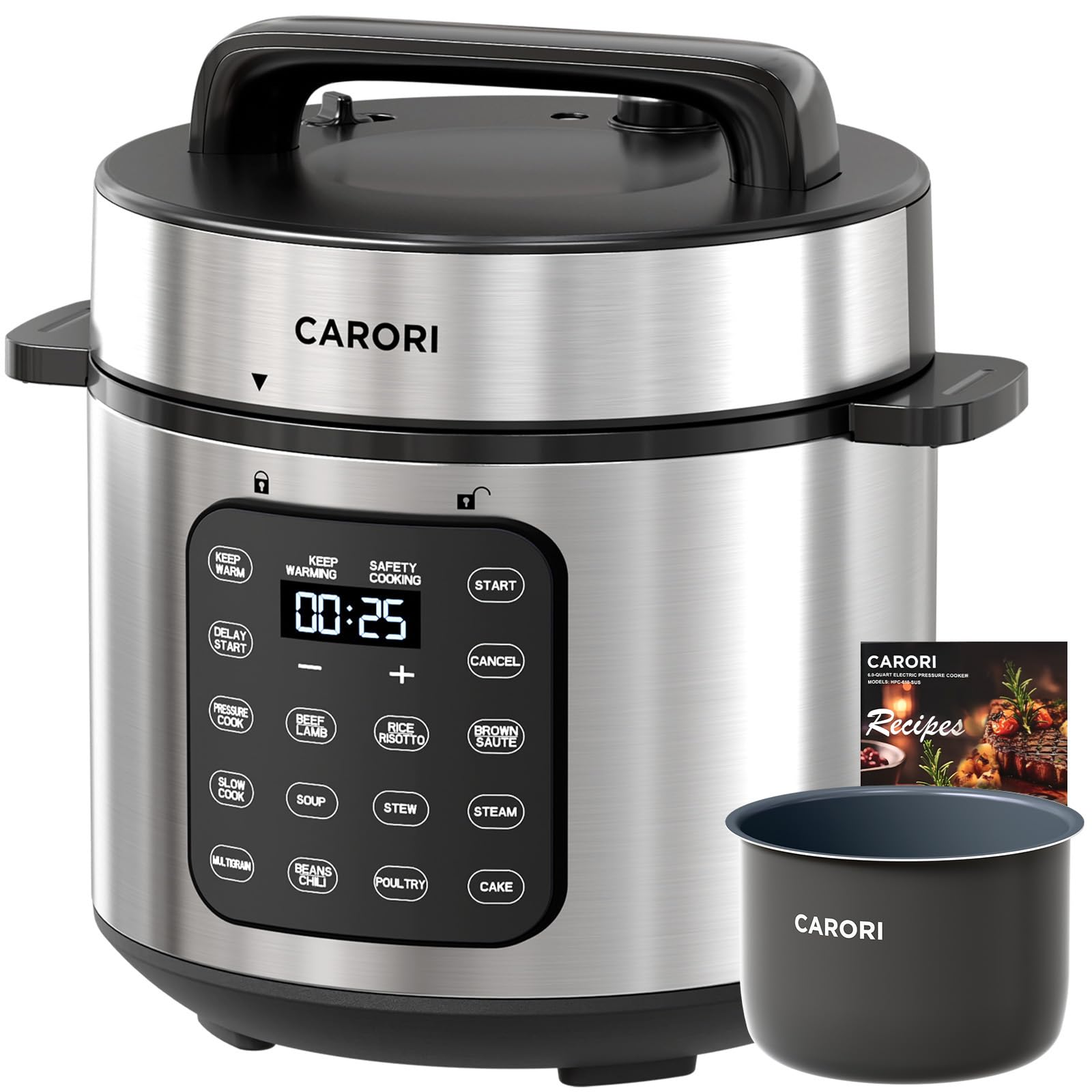
CARORI 6 Quart Electric Pressure Cooker, Best for Simple Touchscreen Control
The CARORI cooker is for the person who wants things clean and simple. The touchscreen interface looks modern and feels intuitive right out of the box. No buttons to press in a certain sequence. Just tap what you want, set your time, and you’re done.
At 6 quarts, it handles most everyday cooking jobs without taking up too much space. Soups, stews, beans, rice, chicken, pork. All of it works well. The non-stick pot inside makes cleanup quick, which honestly matters more than people admit when you’re tired after dinner.
The multiple cooking functions cover everything a typical home cook needs. Pressure cooking, slow cooking, sauté, steam, and keep-warm are all here. You won’t need a separate rice cooker or slow cooker once this is on your counter. It replaces several appliances at once.
What I like most about the CARORI is how friendly it feels. Some cookers look intimidating with tons of buttons and confusing settings. This one feels approachable. Even if you’ve never used a pressure cooker before, you’ll figure it out in one session. That ease of use is worth a lot.
- Clean, modern touchscreen interface
- 6-quart capacity for daily cooking
- Non-stick inner pot for easy cleaning
- Replaces multiple kitchen appliances
- Great option for first-time pressure cooker users
CHEF iQ 6 Quart Smart Pressure Cooker, Best for Tech-Savvy Home Cooks
The CHEF iQ is in a different league when it comes to smart features. It connects to your phone through an app and gives you access to thousands of guided recipes with automatic cooking programs. You pick a recipe, the app talks to the cooker, and it adjusts the time and pressure for you. It’s the closest thing to having a cooking assistant.
The built-in scale is one of the most useful features you’ll find on any pressure cooker. You weigh your ingredients directly in the pot. No separate measuring bowls. No extra dishes to wash. That alone makes prep faster and less messy on busy weeknights.
The inner pot is stainless steel, which is great for durability and flavor. Stainless doesn’t absorb smells the way some non-stick coatings can, so your chicken soup won’t taste like last week’s garlic dish. That kind of detail matters over years of regular use.
The only real downside is the price. The CHEF iQ costs more than most options on this list. But if you cook often and want the most accurate, guided cooking experience available, it pays for itself over time. Treat it like an investment in meals you’ll actually enjoy making.
- App-connected guided cooking
- Built-in ingredient scale
- Stainless steel inner pot
- Thousands of auto-programmed recipes
- Higher price point but worth it for frequent cooks
I hope this guide helped you cut through the noise and find the pressure cooker that actually fits your life. Here are the top 6 best pressure cooker options that cover every need, from simple everyday cooking to smart app-guided meals. Pick the one that matches how you cook, not the most expensive one. The right cooker will make your time in the kitchen easier, faster, and honestly a lot more enjoyable.
| Product | Best For | Capacity | Key Feature |
|---|---|---|---|
| Instant Pot Pro 10-in-1 | Everyday versatility | 6 Quart | 10 cooking functions |
| T-fal Clipso Stainless Steel | Stovetop cooking | 6.3 Quart | One-hand lid, induction compatible |
| Ninja HyperHeat 9-in-1 | Fast pressure cooking | 6 Quart | HyperHeat tech, PFAS-free |
| COMFEE 12-in-1 | Budget buyers | 6 Quart | 12 functions, preset programs |
| CARORI 6 Quart | Beginners | 6 Quart | Touchscreen, easy interface |
| CHEF iQ Smart Cooker | Tech-savvy cooks | 6 Quart | App-connected, built-in scale |
Things to Consider Before Buying a Pressure Cooker (Complete Guide 2026)
Buying a pressure cooker sounds simple until you’re standing in front of ten different options with no idea what separates them. Size, material, electric vs stovetop, safety features, price. It gets overwhelming fast. And picking the wrong one means it just sits in your cabinet collecting dust.
The good news? Once you know the things to consider before buying a pressure cooker, the decision gets a lot easier. These six factors will help you pick something you’ll actually use every week, not regret after one try.
Size and Capacity
Size matters more than most people think. A cooker that’s too small means you’re making two batches of everything. Too big and you’re wasting energy heating a pot that’s half empty. Getting this right from the start saves you a lot of frustration.
For a single person or a couple, a 3-quart model is usually enough. For a family of four, go with 6 quarts. If you cook for big gatherings or like to batch cook on weekends and freeze meals, an 8-quart model will serve you much better. Think about how you actually cook, not how you wish you cooked.
One practical tip: pressure cookers work best when filled between one-third and two-thirds full. So a 6-quart cooker isn’t really a 6-quart cooker in practice. Keep that in mind when you’re sizing up your options. A lot of buyers get caught off guard by this.
- 3-quart: good for 1-2 people
- 6-quart: ideal for families of 4
- 8-quart: best for batch cooking or large groups
- Never fill past two-thirds capacity
- Always account for food expansion during cooking
Electric vs Stovetop
This is one of the biggest decisions you’ll make, and it comes down to how you cook and what you’re comfortable with. Both types get the job done, but they feel very different in practice. One is hands-off, the other gives you more control.
Electric pressure cookers are beginner-friendly. You press a button, set a time, and walk away. They regulate pressure automatically, so there’s no babysitting involved. The Instant Pot is the most popular example, and for good reason. It’s almost impossible to mess up a basic recipe on one of those.
Stovetop models heat up faster and reach higher pressure levels, which means shorter cook times for tough cuts of meat or dense legumes. But you have to manage the heat yourself, which takes a little practice. If you’re already comfortable in the kitchen and want speed, stovetop might be worth it. Just know there’s a small learning curve.
- Electric: easier to use, great for beginners
- Stovetop: faster, higher pressure, more control
- Electric models do more functions, like slow cooking and sautéing
- Stovetop models tend to be more durable long-term
- Choose based on your comfort level in the kitchen
Material and Build Quality
What your pressure cooker is made of affects how it cooks, how long it lasts, and how easy it is to clean. Most inner pots are either stainless steel or non-stick coated aluminum. Both have real trade-offs, and neither is perfect for every person.
Stainless steel is more durable. It doesn’t scratch easily, doesn’t absorb smells, and lasts for years without breaking down. The downside is that food can stick if you’re not careful, especially with sautéing. But honestly, a splash of oil usually handles that. Most serious cooks prefer stainless for this reason.
Non-stick pots are easier to clean and food slides right off them. That sounds great until the coating starts chipping after a year or two of regular use. Some older non-stick coatings also raised health concerns, though newer PFAS-free options are much safer. If you go non-stick, look for that label specifically.
- Stainless steel: durable, no smell absorption, lasts longer
- Non-stick: easy to clean but can chip over time
- Look for PFAS-free coating if you choose non-stick
- Check the lid and handles for solid build quality too
- Avoid pots that feel flimsy or have loose-fitting lids
Safety Features
This one makes people nervous, and understandably so. Old-school pressure cookers had a reputation for exploding if something went wrong. Modern ones are much safer, but you still want to know what safety features to look for before you buy.
A good pressure cooker should have at least a locking lid that won’t open under pressure, a pressure release valve, and an automatic pressure limiter. These three things together mean the cooker can manage excess pressure on its own without anything dangerous happening. Most reputable brands include all three.
Electric models usually have even more built-in protection. Things like burn detection, automatic shut-off, and overpressure protection are common on models like the Instant Pot and Ninja. Stovetop cookers rely more on the user to manage heat correctly, so they require a bit more attention. Either way, always read the manual before your first cook. Seriously, read it.
- Look for a locking lid that won’t open under pressure
- Pressure release valve is non-negotiable
- Burn detection and auto shut-off are great on electric models
- Stovetop requires you to manage heat manually
- Never skip reading the manual before first use
Number of Functions
Some pressure cookers just cook under pressure. Others do twelve different things. The right number of functions depends on what you actually plan to use, not what sounds impressive on the box. More functions mean a higher price, so be honest with yourself here.
If you just want to cook beans faster, tenderize meat, or speed up soups and stews, a basic pressure cooking function is all you need. You don’t need a yogurt setting or a cake program if you’re never going to touch them. Paying for features you ignore is just money down the drain.
But if you want to replace multiple appliances, a multi-function cooker makes real sense. A model that pressure cooks, slow cooks, sautés, and steams in one pot means you clear counter space and save money overall. The CHEF iQ and Instant Pot Pro are good examples of this done well. Just match the functions to your actual cooking habits.
- Basic models: pressure cook, slow cook, keep warm
- Advanced models: sauté, steam, yogurt, air fry, and more
- More functions often means a higher price
- Only pay for functions you’ll actually use
- Multi-function cookers can replace several appliances at once
Ease of Cleaning and Maintenance
Nobody wants to spend 20 minutes scrubbing a pot after dinner. Cleaning ease is one of those things people skip over when buying, then regret every single time they cook. It should be near the top of your checklist.
Look for removable inner pots that are dishwasher safe. Most electric models have this, and it’s a genuine time-saver. The sealing ring is the sneaky one. It traps food smells over time, especially after cooking strong dishes like fish or garlic-heavy stews. Some brands include an extra ring in the box. That’s a small detail that makes a real difference.
The lid is usually the most annoying part to clean. It has valves, vents, and little crevices where food gets stuck. Some lids are fully detachable and dishwasher safe. Others need hand washing. Check this before you buy. Also, replace the sealing ring every 12 to 18 months if you cook regularly. A worn ring doesn’t seal properly and that affects cooking results.
- Look for dishwasher-safe inner pots
- The sealing ring traps smells, wash it separately every time
- Check if the lid is easy to detach and clean
- Replace the sealing ring every 12-18 months
- Extra sealing rings are cheap and worth keeping on hand
I hope this breakdown makes it easier to pick the right one without second-guessing yourself. Knowing the things to consider before buying a pressure cooker puts you ahead of most buyers who just grab whatever looks good on the shelf. Take your time, match the features to your real cooking life, and you’ll end up with something you actually love using.
| Factor | What to Check | Why It Matters | Quick Tip |
|---|---|---|---|
| Size and Capacity | 3Q, 6Q, or 8Q | Too small means multiple batches | Go one size up if you batch cook |
| Electric vs Stovetop | Power source and control level | Affects ease of use and cook speed | Beginners should start with electric |
| Material | Stainless steel or non-stick | Affects durability and cleaning ease | Look for PFAS-free if choosing non-stick |
| Safety Features | Locking lid, pressure valve, auto shut-off | Prevents accidents during cooking | Always read the manual before first use |
| Number of Functions | Basic to 12-in-1 | More functions, higher price | Only pay for what you’ll actually use |
| Cleaning and Maintenance | Dishwasher-safe parts, detachable lid | Saves time after every meal | Buy an extra sealing ring from day one |
Frequently Asked Questions (FAQs)
Is it safe to leave a pressure cooker unattended while cooking?
Electric pressure cookers like the Instant Pot are generally safe to leave unattended because they regulate pressure automatically and shut off when done. Stovetop models like the T-fal Clipso need more attention since you control the heat manually. Always read your specific model’s safety guide and never leave a stovetop cooker on high heat without checking it regularly.
Is it hard to clean a pressure cooker after cooking?
Most electric pressure cookers have removable non-stick inner pots that are dishwasher safe, so cleanup is easy. The T-fal Clipso is fully dishwasher safe too. The trickiest part is cleaning the lid and the sealing ring, which can hold onto food smells over time. Remove the ring after each use and wash it separately. That keeps odors from building up.
Can I cook frozen meat in a pressure cooker?
Yes, you can cook frozen chicken, beef, or pork directly in a pressure cooker without thawing first. You just need to add extra cook time, usually around 50 percent more than the fresh version. So if fresh chicken takes 15 minutes, frozen needs about 22 to 25 minutes. Always check the internal temperature afterward to make sure it’s fully cooked through.
Can I use a pressure cooker to make desserts?
Absolutely. Pressure cookers are great for cheesecakes, lava cakes, rice pudding, and custards. You use a method called pot-in-pot cooking, where you place a smaller dish inside the pot on a trivet with some water at the bottom. The steam creates a gentle, even heat that bakes desserts beautifully. The Instant Pot community has hundreds of dessert recipes worth trying.
Do I need special recipes for pressure cooking?
Regular recipes don’t translate directly to pressure cooking because the cook times are very different. A beef stew that takes 3 hours on the stove takes about 35 minutes in a pressure cooker. You need pressure-cooker-specific recipes, at least at first. The CHEF iQ app and Instant Pot’s recipe database are great starting points. Once you get the feel for timing, you’ll start adapting your own recipes naturally.
Do I need to add water every time I use a pressure cooker?
Yes. Every pressure cooker needs at least some liquid to create steam and build pressure. Most models require a minimum of one cup of water or broth. Without it, you’ll get a burn warning or the cooker simply won’t pressurize. Some foods release their own liquid during cooking, but it’s always safer to add a cup of liquid when you’re unsure.
Can I use a pressure cooker on an induction stovetop?
Stovetop models like the T-fal Clipso work on induction if the base is magnetic stainless steel. Most electric pressure cookers plug into a regular outlet, so induction compatibility doesn’t apply to them. If you have an induction range and want a stovetop cooker, always check the product specs for the induction-compatible label before buying.
Is it worth buying a smart pressure cooker like the CHEF iQ?
If you cook frequently and want guided, accurate recipes without guessing, yes it’s worth it. The CHEF iQ app removes a lot of the trial and error that comes with pressure cooking. The built-in scale also saves time on prep. But if you only cook occasionally or prefer keeping things simple, a basic model like the COMFEE or CARORI will serve you just as well at a much lower price.
Can a pressure cooker replace my slow cooker?
Most electric pressure cookers have a slow cook function built in, so yes, they can. The Instant Pot Pro, COMFEE, Ninja HyperHeat, and CARORI all include slow cooking settings. One thing to note: some users say pressure cookers don’t slow cook quite as well as a dedicated slow cooker because the seal is tighter and moisture doesn’t escape the same way. But for most dishes, it works well enough.
Do I need to season or prep a new pressure cooker before first use?
For electric models with non-stick pots, wash the inner pot and lid with warm soapy water before first use. That’s it. Some people also run a quick water test, filling the pot with two cups of water and running a short pressure cycle, just to get comfortable with how the cooker builds and releases pressure. For stainless steel pots, a light rinse is enough. No seasoning needed like you would with cast iron.