As an Amazon Associate, I earn from qualifying purchases at no extra cost to you.
How to Air Fry in Convection Microwave (Perfect Crispy Results)
 ByZayyan

My kitchen looks like a science lab because I test every single appliance that promises to make dinner faster. Most people ignore the convection setting on their microwave, thinking it is just a fancy button for reheating pizza. Actually, it is a hidden powerhouse that can crisp up chicken wings or fries better than a standard oven. I will show you how to stop using your microwave as a glorified popcorn machine.
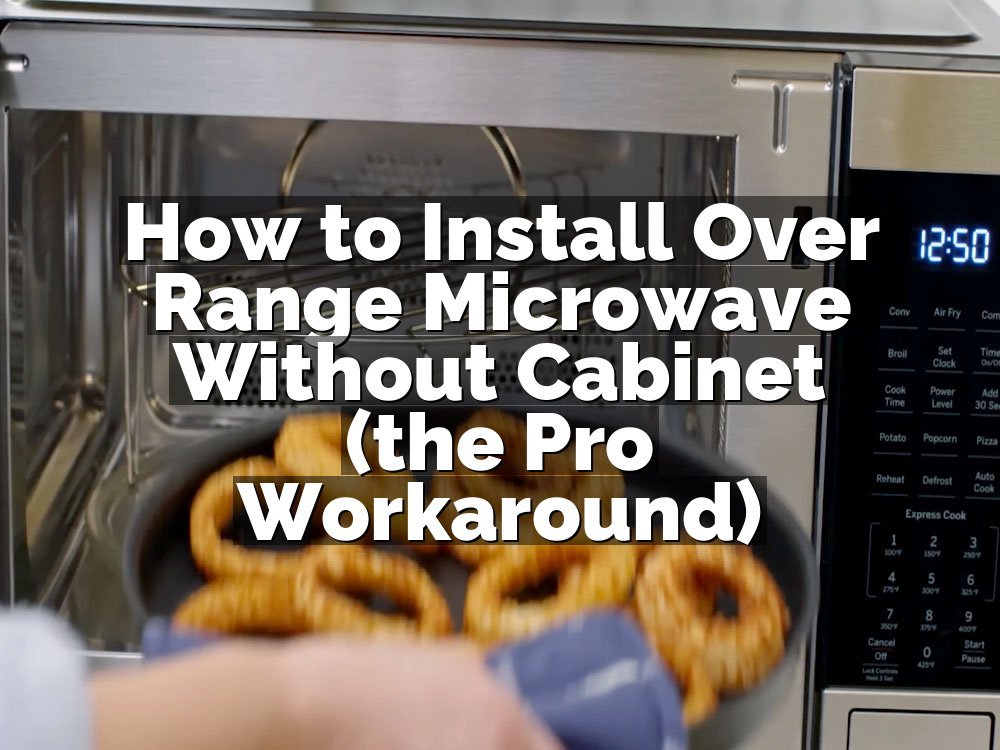
You need to preheat your microwave before you start cooking any food. Set the mode to convection, select your target temperature, and let it run until the unit signals it is ready. Place your food on the rack, never directly on the glass tray, to ensure hot air flows under the item. Use a metal pan if your manual allows it, or use the included rack for airflow. Keep an eye on the clock because these units often cook faster than a regular oven.
The Basics of Convection Cooking
Convection microwaves use a fan to move air around, which creates a more even cook than a standard microwave. Most people struggle because they do not know how to set the mode.
Heat Transfer Methods
Traditional microwaves zap water molecules to heat food, while convection uses a heating element and a fan to blast hot air. This is the same way a professional countertop unit works. If you skip the convection mode, you just get soggy food. The fan is the secret sauce here. It keeps the air moving so the crust gets dry and crunchy.
Proper Rack Usage
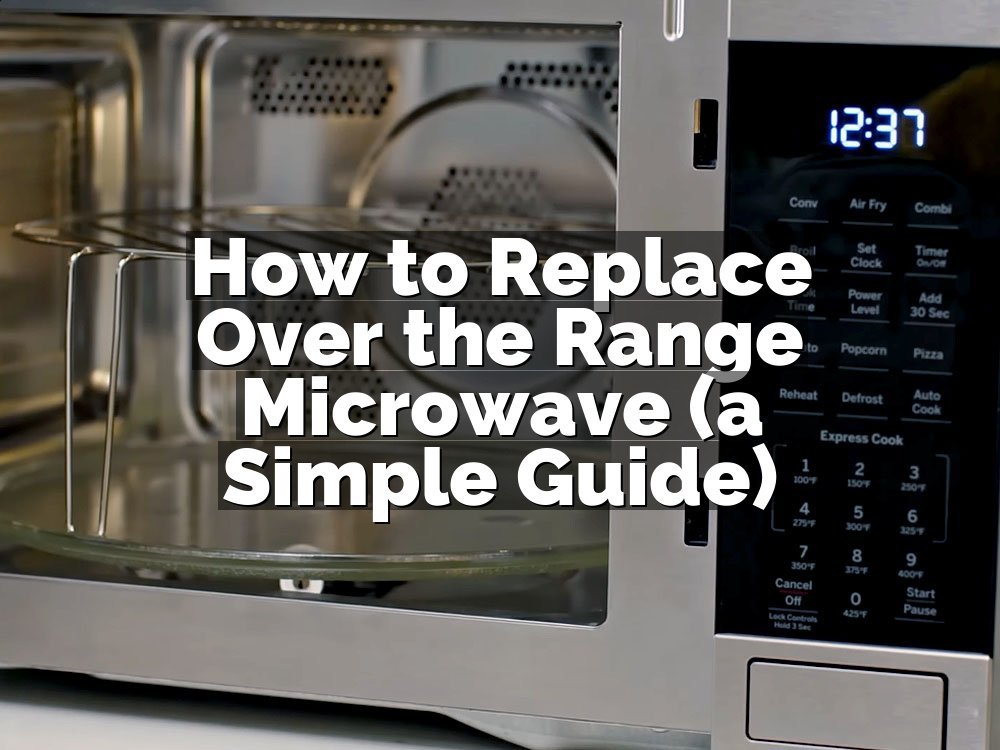
The rack is not just a place to store things. It is a vital tool for airflow. You must keep the food off the glass turntable. If you put food right on the glass, the bottom stays mushy and cold while the top burns. The rack lifts the food into the hot air stream. This is how you achieve a nice, even golden brown finish.
Metal Pan Safety
Some people think metal will blow up their machine. That is a myth for standard microwave modes. When you use convection, the metal actually helps conduct heat into the bottom of your food. Always check your manual for the specific rules. Most brands suggest using a low-profile metal pan. It works way better than glass or silicone for getting that deep, crispy sear.
Airflow Clearance
You need space around your food. If you crowd the tray, the air cannot move. Think of it like a crowded room with one small fan. Nothing gets cool. The same logic applies to hot air. If you pack too many wings onto the tray, you end up with steamed chicken. Give every piece of food at least an inch of personal space.
Humidity Control
Microwaves are designed to keep steam inside to heat food fast. Convection modes usually vent that steam out. If your machine is older or a bit quirky, you might need to crack the door or ensure the vent is clear. Excess moisture is the enemy of crispiness. If you notice steam building up on the door, your food will not get crispy.
Internal Sensor Accuracy
Most machines have sensors to detect doneness. These are often calibrated for standard microwave heating, not convection. Do not trust the “auto-cook” button for your fries. You should manually set the time and temperature every time. Relying on the machine to guess your food’s progress is how you end up with a charred dinner disaster. I learned that the hard way.
Once you master these steps, you will use your big oven less. It saves energy and keeps your kitchen cooler during the summer.
- Preheat the machine to the correct temperature.
- Use the high rack for maximum air circulation.
- Keep the food items in a single layer.
- Check the food ten minutes early to avoid burning.
- Use metal trays if your manual allows it.
- Flip the food halfway through the cooking time.
Setting Up Your Microwave for Air Frying
Many people struggle because they do not understand how to properly trigger the convection mode. It is not always obvious. You have to push the right buttons in sequence.
Selecting the Convection Mode
You cannot just push “Start” and hope for the best. You have to navigate the menu to find the convection setting. Look for a button labeled “Convection” or “Combo.” If you press standard microwave start, you will ruin your food. The magnetron will turn on, and you will get a soft, rubbery mess. I have seen this happen far too often.
Choosing the Target Temperature
Once the mode is active, choose your temperature. Most recipes work best at 400 degrees. This heat level is perfect for caramelizing sugars and crisping skin. If the temperature is too low, the food will dry out before it gets brown. If it is too high, the outside will burn while the center stays raw. Always pick a steady, high heat.
The Importance of Preheating
This is the one step every home cook skips. They want food fast, so they shove it in cold. The microwave takes five minutes to heat up, but the food sits in lukewarm air the whole time. That makes the texture weird. Always run the machine empty until it reaches the set temperature. It makes a big difference in the final texture of the skin.
Arranging Food for Success
Place your items on the rack with care. Do not let them touch each other. If they are touching, the heat cannot hit those sides. It creates a soft, pale patch on the food. I usually use a circular arrangement. It keeps the center open for air. This ensures that every piece gets the same amount of heat and airflow.
Managing Cooking Time
The convection fan moves air faster than a standard oven. This means your food will finish quicker. If a box of frozen fries says twenty minutes in an oven, check them at twelve minutes in your microwave. You will be surprised by how fast they brown. Keep your timer handy and start checking early to avoid any unexpected kitchen smoke.
Monitoring the Browning Process
You have to use your eyes. The machines are not always accurate with their internal clocks. Look through the glass door during the last few minutes. If the top looks good but the bottom looks pale, flip the pieces. It takes only a few seconds. This simple act makes the difference between a sad meal and something that actually tastes good.
- Do not use parchment paper on the rack.
- Keep the door closed to hold the heat.
- Use a meat thermometer to check doneness.
- Clean crumbs from the bottom after every use.
- Let the food rest for two minutes.
- Always use oven mitts for the hot rack.
Using your microwave this way changes how you prep dinner. It is fast, efficient, and honestly pretty simple once you stop fearing the buttons. It turns a boring appliance into a versatile cooking tool.
Why Does My Food Stay Soft?
If your fries are limp, you have too much moisture trapped in the chamber. You need to ensure the vent is not blocked by a wall or a decorative towel. Convection requires airflow to dry the surface of the food. If the air is just swirling around without venting, the food effectively steams itself.
Another cause is the overcrowded tray mistake. When you pile food on top of itself, the heat cannot reach the middle pieces. The steam from the bottom layer rises into the top layer, leaving everything soggy. Spread your food out. If you have a large batch, cook it in two smaller rounds. It takes more time, but the quality is much better.
Check the rack height as well. Most convection microwaves have a high rack and a low rack. The high rack puts the food closer to the heating element at the top. This is the best spot for crisping. If you use the low rack, the air does not move as effectively around the food, leading to a softer crust.
- Avoid adding too much oil to the food.
- Ensure the food is dry before you add seasoning.
- Check that the convection fan is actually spinning.
- Use the high rack for all frying tasks.
- Increase the temperature if the result is pale.
- Do not cover the food with foil or lids.
Can I Use My Favorite Oven Recipes?
You can absolutely use your standard oven recipes, but you must adjust the time and temperature. Because the microwave is smaller and has a powerful fan, it cooks more efficiently. I usually drop the temperature by twenty-five degrees compared to what the recipe suggests. This prevents the outside from scorching while the inside catches up.
The size of the cooking chamber is also a big factor. If you are baking a cake, it might rise faster in the microwave than in a large oven. Keep a close watch on the rising process. Because the space is small, the heat reflects off the walls very intensely. This is great for crust, but it can be harsh on delicate items.
If your recipe calls for a specific pan size, make sure it actually fits inside the microwave. I have seen many people try to force a large baking sheet into a small unit. That blocks the air vents and ruins the convection effect. If it is a tight fit, find a smaller pan. You might have to cook two batches instead.
- Lower the temperature by 25 degrees.
- Reduce the total cook time by 20 percent.
- Use light-colored metal pans for even browning.
- Keep the turntable rotation on for even heating.
- Check for doneness five minutes before the timer.
- Remember that small units heat up instantly.
Is Cleanup Actually Difficult?
Cleaning a convection microwave is not harder than cleaning an oven, but the grease gets into smaller spaces. When you fry food, tiny droplets of oil splash onto the fan cover and the walls. If you let that grease sit, it will smoke the next time you turn the heat on. Wipe the interior after every use.
I use a simple mix of vinegar and water to cut through the grease. Spray it on a cool machine and let it sit for a minute. Then wipe it away with a soft cloth. Do not use harsh scrubbing pads on the metal walls, as you can scratch the finish and make it harder to clean next time.
The turntable and the rack should be washed in the sink with soap. If you have a dishwasher, most racks are safe, but check the manual. I prefer hand washing so I can scrub off any stuck-on bits. A clean machine is a efficient machine, and it prevents those weird smells that come from burnt food residue buildup.
- Wipe down the walls while still warm.
- Soak the rack to remove stubborn grease.
- Check the ceiling for oil splatters.
- Use a damp cloth to clean the fan grate.
- Clean the glass door for better visibility.
- Use natural cleaners to avoid chemical smells.
Does This Save Energy Over Time?
Using a convection microwave is much more efficient than turning on a full-sized oven. A big oven takes twenty minutes just to reach 400 degrees. That is a massive waste of electricity. The microwave heats up in under three minutes, and because it is a smaller space, it uses way less energy to maintain the target temperature.
If you are cooking for one or two people, the microwave is almost always the better choice. You are not heating up a giant box just to cook four chicken thighs. You are focusing the heat exactly where it needs to be. The smaller cavity also means the heat is more intense, which creates a better texture in a shorter amount of time.
I noticed my energy bill dropped slightly after I started using my microwave for most daily tasks. It adds up over a year. Plus, your kitchen stays much cooler. If you live in a warm climate, you know exactly why this is a major win. You get the same crispy results without turning your home into a sauna.
- Preheat time is reduced by 80 percent.
- Smaller volume means less heat loss.
- Faster cooking reduces overall power draw.
- Better for quick weeknight meals.
- No need to heat up the entire kitchen.
- Perfect for reheating leftovers into fresh meals.
Final Thoughts
I hope this helps you get more out of your kitchen appliances. It really is a simple process once you get over the fear of the buttons. Just remember to use the rack, keep the food in a single layer, and watch your timer. You will be surprised by how much better your food turns out. Now go try a batch of frozen fries and see the difference for yourself.
| Food Item | Temp (F) | Time (Min) |
|---|---|---|
| Frozen Fries | 400 | 12-15 |
| Chicken Wings | 425 | 20-25 |
| Roasted Veggies | 375 | 15-20 |
| Breaded Fish | 400 | 10-12 |
| Mozzarella Sticks | 400 | 8-10 |
| Sausage Links | 375 | 12-14 |
| Frozen Pizza | 425 | 10-12 |
| Potato Wedges | 400 | 18-22 |
| Chicken Tenders | 400 | 12-15 |
| Pork Chops | 375 | 15-18 |
Frequently Asked Questions
Is It Safe to Use Metal Pans in Convection Mode?
Yes, it is safe as long as you are using the convection setting. The metal helps brown the bottom of your food. Just ensure the pan does not touch the walls of the microwave.
Can I Use Parchment Paper on the Rack?
You should avoid it. Parchment paper can fly around because of the convection fan. It might touch the heating element and burn. If you need a liner, use a metal tray that fits on the rack.
Are All Convection Microwaves the Same?
No, they vary in power and vent design. Some machines are much better at circulating air than others. Always read your specific model manual to see if there are unique rules for your unit.
Do I Need to Flip the Food Halfway Through?
Yes, you should flip the food. Even with a fan, the top often cooks faster than the bottom. A quick flip ensures that both sides get equally crispy and golden brown.
Does the Convection Mode Use Microwave Energy?
Only in “Combo” mode. If you select just “Convection,” it uses the heating element and fan, not the magnetron. This is why it is safe to use metal pans in that specific mode.
Should I Preheat for Every Recipe?
Yes, preheating is the key to crispiness. If you put food in a cold machine, it starts to steam before the air gets hot enough to brown it. Always let the machine run empty first.
Will My Food Taste Like It Was Microwaved?
Not at all. Convection air frying creates a dry, crisp crust that is the opposite of the soggy texture you get from standard microwaving. It tastes just like it came from an oven.
How Long Does an Air Fryer Microwave Last?
These machines usually last five to seven years with regular use. The fan and heating element will wear out eventually, so keep the interior clean to extend the life of the parts.