As an Amazon Associate, I earn from qualifying purchases at no extra cost to you.
How to Change Filter in Microwave (the Easy Way)
 ByZayyan

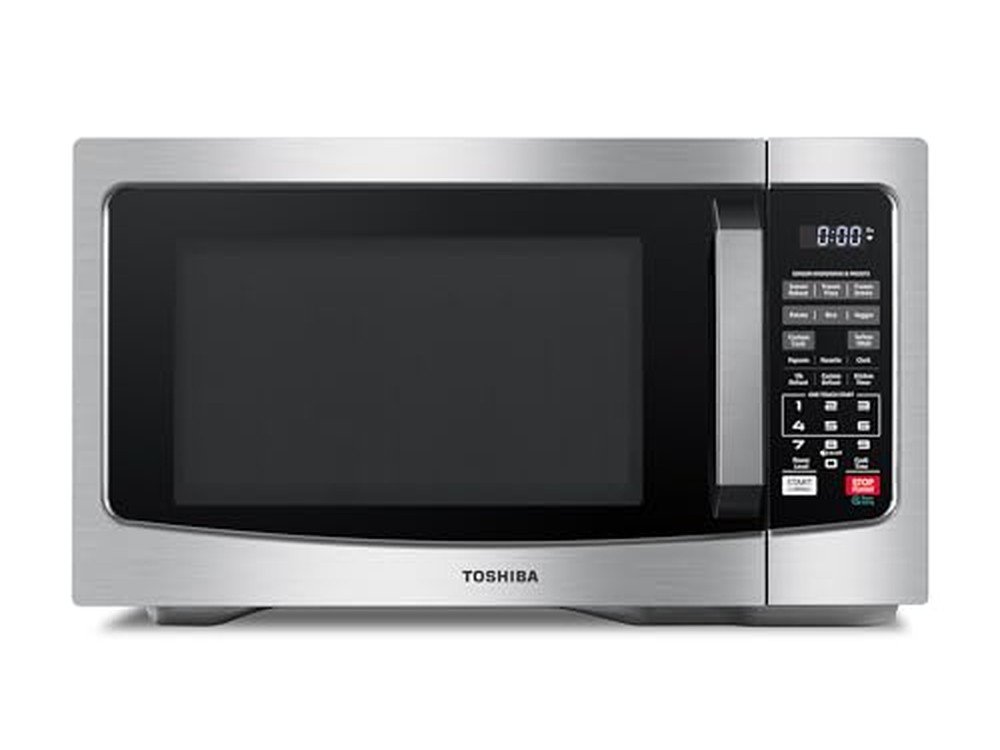
I remember the first time I looked at the bottom of my microwave and saw a layer of yellow, sticky grease. It looked like a science project gone wrong. Most people think their microwave is just for heating leftovers, but it is actually a vent hood for your stove too. If you ignore those vents, your kitchen will smell like old bacon for days. I am going to show you exactly how to swap those filters out so your air stays fresh.
You need to find the release tab on the underside of your microwave. It is usually a small metal or plastic latch. Push that tab, pull the old filter out, and slide the new one into the same slot. Make sure it clicks into place. If you have a charcoal filter behind the top vent grille, you will need a screwdriver to pop that panel off first. Do this once every six months to keep your kitchen airflow healthy.
Why Your Microwave Needs Fresh Filters
You probably use the vent fan every single night without thinking about it. That fan pulls steam, smoke, and grease directly out of your pots. The filters act as a trap.
The Grease Trap Purpose
The metal mesh screens on the bottom of your microwave are the first line of defense. They catch tiny oil droplets that fly up from your frying pan. If you skip this, the grease coats your microwave interior and sticks to your cabinets. It eventually becomes a fire hazard. I once saw a vent so clogged that it started dripping oil onto the stove!
Airflow and Circulation
When those mesh holes get packed with dust and food particles, air cannot move. The fan motor works twice as hard to push air through a wall of gunk. This puts stress on the internal parts and shortens how long an air fryer lasts or in this case, your microwave. Keep the path clear so your exhaust system can do its job correctly.
Charcoal Filter Role
The charcoal filter sits behind the top grille. It does not catch grease like the bottom ones. Instead, it pulls odors out of the air before sending it back into your room. If you do not have an outside vent, this filter is the only thing stopping your kitchen from smelling like burnt popcorn. It needs a replacement, not a scrub.
Build Up Signs
You can see when the bottom filters are done. They will look gray or yellow instead of clean silver. If you touch them and feel a tacky, sticky residue, they are full. Do not wait for the kitchen to smell bad. I usually check mine every month while I am wiping down the counters. It is a quick visual test.
Fire Safety Concerns
Old filters are basically sponges for fuel. If a grease fire happens on your stove, the flame can reach up and ignite the buildup in the microwave vents. That is a massive risk you do not want to take. Keeping these clean is a simple chore that protects your house. Think of it as a cheap insurance policy for your kitchen.
Cleaning Versus Replacement
Metal mesh filters can be saved. You can soak them in hot water and degreasing soap. However, the internal charcoal filter is a one-way street. Once the carbon inside is saturated with cooking smells, it is done. Do not try to wash the charcoal one. It will fall apart and lose its ability to catch odors. Just buy a new one.
Actually, let me back up a second. Make sure you check your manual for the exact model number before buying parts. Some microwaves take odd sizes. You do not want to buy a filter that is too wide or too narrow for the slot.
- Check the manual for your specific model number.
- Buy two sets so you have a spare ready.
- Use a degreaser if the mesh looks very dark.
- Avoid using harsh bleach on metal screens.
- Dry the mesh filters fully before reinstalling them.
- Write the date on your new filter with a marker.
How to Remove and Replace Microwave Filters
Changing these parts is not hard, but you need to know where to look. Most microwaves have two types of filters, and each one needs a different approach to get it out.
Bottom Mesh Filter Removal
Look at the flat bottom of the microwave. You will see two metal rectangular grates. Find the small metal handle or the sliding latch on one side. Push it in or slide it over to release the tension. The filter will drop down on one side, allowing you to lift it out of the frame.
Be careful because this piece will be heavy with grease. Have a paper towel ready to catch any drips. Once it is out, you can see the fan assembly sitting behind the opening. It is a good time to wipe that area with a damp cloth. Do not use too much water near the electrical components.
If the filter feels stuck, use a flat-head screwdriver to gently pry the edge. Do not force it or you might bend the metal housing. Once it gives, the rest of the filter will come out easily. Make sure you do not drop it directly into your boiling pot of pasta.
Top Charcoal Filter Access
The charcoal filter is hidden behind the front grille at the top of the microwave. You will need a standard screwdriver to remove one or two screws holding that plastic panel in place. The screws are usually hidden near the top door frame. Open the door to see them clearly.
Once the screws are out, the plastic panel will tilt forward. Pull it down gently to reveal the charcoal filter. It usually sits in a plastic tray or frame. Slide the old one out and dispose of it. The new one should slide right into the same spot without any tools required.
Take a moment to wipe the plastic grille while it is off. This piece collects dust and hair that the fan pulls in from the room. A clean grille helps the air flow better and makes your microwave look much newer. Replace the screws carefully so you do not strip the plastic.
Alignment and Secure Placement
When you put the new filters in, make sure they sit flush against the frame. The mesh filters should snap into place with a clear click. If they hang loosely, they will rattle every time the fan turns on. This is a common mistake the cook made that creates a loud, annoying vibration.
Check the charcoal filter to ensure it is centered in the tray. If it is crooked, air will leak around the edges instead of passing through the carbon. You want a tight fit to ensure all the air gets scrubbed properly. A little extra time here prevents odors from escaping into your house.
Close the microwave door and turn on the fan to test it. You should hear a smooth hum without any clicking or buzzing sounds. If you hear noise, one of the filters is likely misaligned. Open it back up and push the corners in to make sure they are seated deep in the slots.
- Push the release tab firmly.
- Keep a towel handy for drips.
- Clean the housing before sliding the new piece in.
- Verify the model number matches.
- Ensure the filter snaps into the frame.
- Test the fan to check for rattling.
Taking care of these filters is much easier than scrubbing a grease-stained ceiling. Once you get the hang of it, the whole process takes about five minutes. It is a small investment of time that keeps your kitchen air clean and your equipment safe.
Can I Clean the Metal Mesh Filters Instead of Replacing Them?
Yes, you can clean the metal mesh filters. They are designed to be washed repeatedly. I like to use a big pot of boiling water mixed with a good degreasing soap. Drop the filters in and let them soak for ten minutes. You will see the grease float to the top of the water.
After the soak, scrub them with a stiff brush to get the stubborn spots. Rinse them under hot water until the water runs clear. Let them dry completely on a rack before putting them back. Putting a wet filter back in can cause rust or lead to a blender leaking from the bottom if the moisture drips down into the microwave electronics nearby.
Wait, I should clarify that. Moisture inside the fan housing is bad for the motor. Always make sure they are bone dry. If you are in a rush, a hair dryer on a low setting works wonders for drying the mesh holes. Just do not use high heat on the plastic parts of the filter frame.
- Use boiling water for the best results.
- Add baking soda if the grease is thick.
- Avoid the dishwasher if the frame has aluminum parts.
- Scrub the mesh with a soft toothbrush.
- Dry the filters in the sun if possible.
- Check for rust before putting them back.
What Happens If I Never Change the Charcoal Filter?
If you never change the charcoal filter, your kitchen will start to hold onto food smells. The carbon inside the filter gets full of oil and scents. Once it is full, it stops working. You might notice that your kitchen smells like dinner for two days after you cook.
This does not just affect the air. The trapped grease inside the charcoal filter can become a breeding ground for bacteria or mold if your kitchen is humid. It is not something you want sitting over your stove. Plus, it blocks the exhaust airflow, which makes your microwave work harder than it should.
It is a subtle change. You might not notice it day by day, but your guests will. If you cook fish or strong spices, you need a fresh charcoal filter. Without it, those smells just recirculate back into your home. It is a simple swap that makes a big difference in how your house feels.
- The kitchen will smell like old food.
- Airflow from the fan will decrease.
- The microwave motor may get hot.
- Grease buildup increases fire risk.
- Odors will linger for days.
- You might see smoke return to the kitchen.
How Often Should I Check the Filters?
I recommend checking them once every three months. It is easy to add this to your seasonal cleaning list. If you fry food often, you should check them once a month. Frying creates a lot more airborne grease than boiling water or heating up soup.
You can tell just by looking. If the mesh is dark or has globs of grease, it is time. The charcoal filter usually lasts about six months to a year depending on how much you cook. If you notice the air flow feels weak, that is a classic kitchen problem or symptom telling you the filter is clogged.
Don’t ignore the signs. If you see grease dripping from the bottom, you are already overdue. Cleaning it right away will save you from a messy stove top later. It is a fast job, so do not put it off when you notice the change.
- Check visually at least once a month.
- Use a calendar reminder on your phone.
- Replace charcoal filters every six months.
- Deep clean mesh screens every three months.
- Watch for yellowing on the metal.
- Listen for changes in the fan sound.
Are There Different Types of Microwave Filters?
Yes, there are two main categories. The mesh filters catch grease and sit on the bottom. The charcoal filter catches smells and sits behind the top grille. Most over-the-range microwaves use both. You need to identify which one is failing before you buy a replacement.
Some older models use foam filters. These are cheaper but they do not last as long. You cannot clean foam filters well. If you have a foam one, just buy a new set. Most modern microwaves have switched to metal mesh because it is more durable and easier to maintain.
Make sure you look for the right shape. Some are square, and some are rectangular. A few brands have a specific locking mechanism, so do not assume a generic one will fit. I always double-check the model number on the sticker inside the door frame.
- Bottom mesh filters catch grease.
- Top charcoal filters catch odors.
- Some units have foam filters.
- Shapes vary between brands.
- Locking tabs differ by model.
- Always check the specific part number.
Final Thoughts
I hope this helps you get your kitchen back in shape. It is one of those small chores that makes a huge difference in how your kitchen smells and feels. You do not need a professional to do it. Just take your time, get the right part, and you will be done before you know it. It feels great to have everything running smoothly again.
| Filter Type | Purpose | Frequency |
|---|---|---|
| Mesh | Catch Grease | 3 Months |
| Charcoal | Remove Odor | 6 Months |
| Foam | Catch Dust | 3 Months |
| Aluminum | Grease Trap | 3 Months |
| Carbon | Odor Control | 6 Months |
| Stainless | Grease Trap | 3 Months |
| Polyester | Dust Trap | 3 Months |
| HEPA | Air Quality | 1 Year |
| Paper | Odor Trap | 3 Months |
| Hybrid | Multi-Stage | 6 Months |
Frequently Asked Questions
Is It Safe to Run a Microwave Without Filters?
It is not recommended. The filters prevent grease from entering the internal fan and motor. Without them, you risk damaging the parts, creating a fire hazard, and letting oil coat your vent system.
Can I Wash Charcoal Filters?
No, you cannot wash them. Charcoal filters rely on activated carbon to absorb odors. Once the carbon is wet or saturated, it loses its ability to filter the air. You must buy a new one.
Are All Microwave Filters the Same Size?
No, they vary by manufacturer and model. You must check your microwave’s model number, usually found on a sticker inside the door or on the side of the unit, to ensure you get the right size.
Do I Need to Turn Off the Power to Change Filters?
You do not need to unplug the microwave for the bottom mesh filters. However, if you are working on the internal charcoal filter near the wiring, it is a good idea to flip the breaker.
How Do I Know When to Replace the Charcoal Filter?
If your kitchen smells like food for a long time after cooking, the filter is likely spent. Most manufacturers suggest changing the charcoal filter every six months to maintain effective odor control.
Should I Use Dish Soap to Clean Mesh Filters?
Yes, dish soap is great for cutting through the grease. Soak the filters in a sink filled with hot water and a generous amount of liquid soap to loosen the oil before you scrub them.
Will a Clogged Filter Damage My Microwave?
A clogged filter forces the motor to work harder to move air. Over time, this extra strain can cause the fan motor to overheat and fail, leading to expensive repairs or a total unit replacement.
How Often Should I Clean the Vent Grille?
You should wipe the top and bottom vent grilles whenever you clean your stove. Keeping these surfaces free of dust and oil buildup prevents the grease from working its way into the vent system.