As an Amazon Associate, I earn from qualifying purchases at no extra cost to you.
How to Change Power Level on Mainstays Microwave (Cook Everything Perfectly)
 ByZayyan

Most people just jam the “Start” button and hope for the best. I used to be one of them. My frozen burritos came out with lava-hot edges and a solid block of ice in the middle. It was annoying. Then I learned that the power button is the secret to actually cooking food instead of just nuking it. You will save your dinner tonight with these simple steps.
You need to press the Power Level button on your control panel first. Once you press it, use the number pads to choose a level from 1 to 10. Press 10 for full power. Press 5 for half power. After you set the number, enter your cook time and hit Start. It is that quick.
Why Your Microwave Needs Different Power Levels
Changing the power level is a game changer for your kitchen success. If you just blast everything at full heat, you dry out your food. Let’s look at why this happens.
Food Texture Issues
When you blast a piece of chicken at full power, the outside gets rubbery before the middle even thaws. This is a common microwave uneven heating problem that ruins a good lunch. By lowering the power to a 5 or 6, you give the heat time to move into the center of the food. The result is juicy meat instead of dry, tough bits.
Defrosting Logic
You should never defrost steak at full power. That is a mistake that ruins meat every single time. Most microwaves have a specific low setting for this. If yours does not, just use level 3. This slow, steady heat gently melts the ice crystals without cooking the edges of the steak. It is worth the extra patience.
Butter Melt Techniques
Melting butter is a fast job, but it often ends in a messy explosion. If you use 100 percent power, the water in the butter boils instantly and pops. You end up with a microwave splatter mess on the ceiling. Use level 2 or 3 instead. It melts the fat slowly and keeps your microwave clean.
Chocolate Tempering Tricks
Chocolate is sensitive. High heat burns it, leaves it lumpy, and ruins the flavor. I always use level 2 for chocolate. You have to stir it every thirty seconds to keep the heat even. It takes a little longer, but you will not end up with a scorched, grainy blob of cocoa. Slow heat is the secret.
Vegetable Texture Care
Steaming broccoli at high heat is fine for a quick fix, but it makes the stems mushy. I prefer using level 7 for greens. It gives you that nice snap. You keep the bright color and the crunch while the vegetable cooks through. It feels much fresher than the soggy version you get at high heat.
Sauce Reheat Habits
Sauces like alfredo or tomato base often break or curd when they get too hot. This is a common sauce separation issue that happens in seconds. Use level 4 to warm them up slowly. Whisk them every twenty seconds. You will notice the texture stays smooth and creamy, just like it was when you first made it.
Take your time with these settings. You will notice a big difference in the taste of your leftovers. Start with these tips to master your machine:
- Always cover your food.
- Use a lower level for reheating.
- Stir halfway through the cycle.
- Let the food sit after cooking.
- Keep the door seal clean.
- Test small amounts first.
Steps to Change Power Level on Mainstays Microwave Controls
Understanding the button layout on your Mainstays unit is the key to better cooking. Most of these models follow a simple pattern, so you will be a pro very quickly.
Find the Power Button
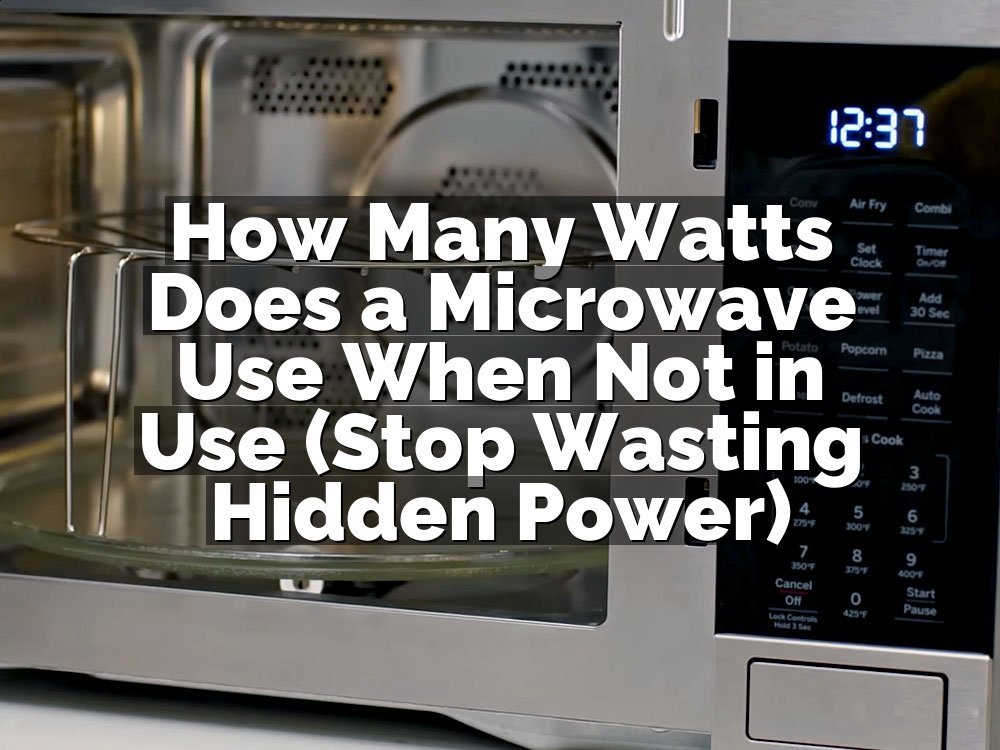
Look for a button labeled “Power” or “Power Level” on your keypad. It is usually near the number keys or the timer settings. Some older models have a separate button for this, while others make you press it after hitting the time. You should check your specific model if the buttons look a bit different.
Once you spot that button, get ready to tap it. If you press it once, the screen might show a default like PL-10. This stands for power level ten, or maximum heat. It is the setting you probably use for everything right now. Do not be afraid to change it for different types of meals.
Keep in mind that some units do not have a dedicated button. If you do not see one, look for a “Cook Power” option. It does the same thing. Once you find it, you are ready to start choosing the right heat for your specific recipe or your quick snack.
Select Your Heat Level
After you press the Power button, the screen usually blinks. This is your chance to type in a number between one and ten. Remember that one is the lowest setting and ten is the highest. If you press 5, you are telling the microwave to use fifty percent of its total power.
Most recipes will tell you what level to use. If you are just reheating pizza, I suggest using level 7. It warms the crust without making it taste like old cardboard. If you are melting cheese, use level 4. The cheese will soften nicely and will not burn or get oily.
Actually, let me back up a second. If you press a number and the screen does not change, try pressing the Power button again. Some models need you to cycle through the options. You press the button repeatedly until the number you want appears on the display. It is a very simple process.
Set Your Cook Time
Now that you have your power level, you need to tell the machine how long to run. Press the number keys for the minutes and seconds you want. If you want one minute, press 1 and 0 and 0. You will see the time appear right next to the power level on the screen.
Make sure you do not rush this part. It is easy to hit the wrong button if you are not looking. If you make a mistake, just hit the “Clear” or “Stop” button. That wipes the slate clean. Then you can go back and enter the right time for your food.
Always remember that lower power means you need more time. If a recipe says cook for two minutes at full power, you might need three or four minutes at half power. It is a balancing act. You will get better at estimating the right time after a few tries.
Start the Cooking Cycle
Hit the Start button to get things moving. You should hear the hum of the machine right away. Watch the display to make sure it shows the power level you picked. Some models show the level for a second before they switch back to the countdown timer. That is normal behavior.
If you change your mind, you can stop the cycle at any time. Just open the door or hit the Stop button. Check your food. If it needs more time, just close the door and press Start again. You do not have to reset everything unless you want to change the power level.
I always stand nearby for the first few times I use a new power level. It helps you see how the food reacts. If the edges start bubbling too fast, you know you need to drop the power lower. It is a great way to learn exactly how your specific machine performs.
- Press Power Level first.
- Select number for heat.
- Type in desired time.
- Press Start to cook.
- Clear errors with Stop.
- Check food during cycles.
Using these simple steps, you can avoid the common microwave burnt food symptoms that ruin so many meals. It takes only a few extra seconds to set the level, and the results are much better. Practice makes perfect when you are dealing with different food types.
Why Does My Food Still Come Out Unevenly
Even when you use the right power level, you might still get cold spots. This is a physics issue. Microwaves bounce around inside the metal box. They create standing waves where the energy is very strong, and other spots where the energy is very weak. The rotating plate helps, but it is not perfect.
If you are cooking a large dish, the center often stays cold because the waves cannot reach it easily. This is a common microwave cold spot issue that happens with dense foods like lasagna. You can fix this by placing your food toward the edge of the turntable. That way, it moves through the hot spots.
Another trick is to stir or flip your food halfway through the time. If you are heating a bowl of soup, stir it from the outside in. That moves the hot liquid into the middle. If you are heating a burrito, flip it over. Small, simple changes like these make a massive difference in your final results.
Finally, check the weight of your food. A big, heavy plate takes much longer to heat than a small one. If you stack items, the ones in the middle will never get hot. Always spread your food out in a single layer if you can. It helps the energy reach every single part.
- Place food on the edges.
- Stir or rotate your dish.
- Use a wider, shallow bowl.
- Avoid stacking your leftovers.
- Let the food stand after.
- Check the bottom for ice.
Should I Always Use Full Power for Reheating
I used to think full power was the only way to get a quick lunch. I was wrong. Full power is really only for boiling water or cooking things with high water content, like fresh vegetables. For almost everything else, full power is just too aggressive for the food.
When you reheat leftovers at full blast, you end up with dry, tough edges. The microwave heating element power is just too intense for things like pasta or meat. Your food loses all its moisture to the air inside the chamber. It turns into a sad, rubbery version of what you once enjoyed.
Try using level 7 or 8 for most reheating tasks. It is still fast, but it is much kinder to your food. You will find that your pizza crust stays chewy instead of getting hard. Your chicken stays soft. It makes a huge difference in the texture of your meal.
If you have a very large portion, go even lower to level 6. It takes a minute longer, but your food will heat through the center without becoming a brick. It is a much better way to handle your leftovers. You will never go back to full power once you try this.
- Use level 7 for pizza.
- Drop to level 5 for meat.
- Reheat liquids on level 8.
- Keep the food covered tightly.
- Add a splash of water.
- Lower levels prevent drying.
How Do I Know Which Power Level is Right
Picking the right number feels like a guessing game at first. A good rule of thumb is to think about the density of what you are heating. Soft, liquid, or delicate items need low power. Dense, heavy, or frozen items can handle higher power. It is that simple.
If you are melting something, stick to levels 1 through 3. That is for chocolate, butter, or marshmallows. You want that gentle, slow heat to prevent burning. If you are warming up a liquid, levels 6 through 8 are perfect. They get the job done without making the container boil over.
For frozen meals, start at level 5. A thawing frozen food struggle is real, but lower power helps the center thaw before the outside burns. You can always bump it up to level 8 for the last minute if you need a quick finish. It is better to go slow and add time.
Always keep an eye on your food. If you see it popping or splattering, your power level is definitely too high. Drop it down two notches and keep going. You will learn the personality of your machine after just a few successful dinners. Trust your eyes more than the manual.
- Low for melting items.
- Medium for reheating meals.
- High for boiling liquids.
- Watch for food splatter.
- Adjust based on size.
- Trust your own observation.
Can I Change Power Level While It is Cooking
Yes, you can. You do not need to stop the microwave to change the setting on most modern Mainstays units. If you realize your soup is boiling over, just reach over and press the Power button. You can then select a lower number, and the microwave will adjust the heat right away.
This is a great way to save a dish that is cooking too fast. I use this trick all the time when I am reheating leftovers. I start at level 8 to get things warm, then drop to level 4 to finish it off gently. It gives you much better control over the final result.
Some older models might require you to hit Stop before you change the settings. If your microwave does not respond when you press Power mid-cycle, just hit Stop, change the level, and press Start again. It takes two extra seconds, but it gets the job done just fine.
There is no risk to the machine when you do this. It is designed to handle those adjustments. So, if you feel like the food is getting too hot, do not hesitate to step in. You are the chef, and you are in charge of the heat. Adjust it whenever you need to.
- Press Power during cooking.
- Select a new lower number.
- Watch the display update.
- Stop if it does not.
- Reset and continue heating.
- Use this for control.
Final Thoughts
I hope this guide helps you get more out of your microwave. Changing the power level is a small step, but it really changes how your food tastes. It stops that dry, rubbery texture and makes your leftovers feel fresh again. Just play with the buttons and see what works best for your favorite meals. You will be surprised at how much better your kitchen life becomes with just a little bit of extra control.
| Task | Suggested Level | Reason |
|---|---|---|
| Melting Butter | 2 | Prevent splashing |
| Defrosting Meat | 3 | Even thawing |
| Softening Cheese | 4 | Keep texture smooth |
| Reheating Pasta | 5 | Stop drying out |
| Warming Soup | 6 | Avoid boil-over |
| Cooking Fish | 7 | Maintain moisture |
| Heating Pizza | 7 | Crisp the crust |
| Boiling Water | 10 | Max efficiency |
| Cooking Veggies | 8 | Steam properly |
| Warming Bread | 3 | Keep it soft |
Frequently Asked Questions
Is There a Default Power Level for My Microwave?
Yes, most microwaves default to the maximum setting, which is 100 percent or level 10. Every time you press the Start button without picking a level, it will use this high intensity.
Can I Damage My Microwave by Using Lower Power Levels?
No, you cannot damage it. Using lower power levels actually puts less stress on the magnetron, which is the part that creates the heat. It is a very safe way to cook your food.
Are All Power Level Scales the Same?
Most microwaves use a 1 to 10 scale, but some brands use percentages like 10 to 100. They work the exact same way. Just remember that 5 is always half of the total heating power.
Do I Need to Clean the Microwave More Often If I Use Low Power?
Not at all. In fact, you might find you have less cleaning to do. Lower power levels reduce the chance of food exploding or splattering inside the unit, which keeps it much cleaner.
Should I Cover My Food When Using Different Power Levels?
You should always cover your food. A microwave-safe lid or a paper towel traps the steam. This keeps your food moist and prevents any mess from spraying onto the walls of the machine.
Will the Microwave Beep If I Change the Power Level?
It depends on the model. Some microwaves beep every time you press a button to confirm your choice. Others stay quiet while you change the level. It does not mean anything is wrong.
Can I Leave the Microwave on a Low Power Level Permanently?
No, the microwave will reset to its default high power level after the cooking cycle is done. You have to select your preferred power level every time you start a new cooking task.
How Do I Know If My Power Level is Too Low?
If your food is taking a very long time to heat up and it still feels cold after several minutes, your power level is likely too low. Simply bump it up by one or two levels.