As an Amazon Associate, I earn from qualifying purchases at no extra cost to you.
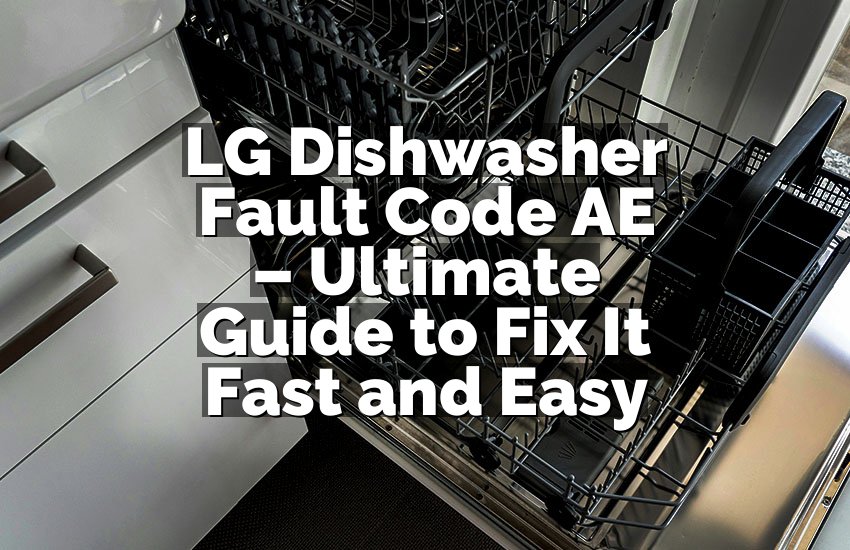
Why LG Dishwashers Show AE Code and How to Fix It Fast
 ByZayyan

I was unloading my dishwasher one evening when suddenly the screen flashed “AE.” My heart sank because I had no idea what it meant. I stared at it for a minute, wondering if it was broken forever. Turns out, it’s not as scary as it seems. A little troubleshooting and some simple checks can have it running smoothly again. Let’s dive into how to handle this annoying AE code without panic.
Check if the dishwasher is level and sitting flat. Inspect the water inlet valve for blockages or kinks. Clean the drain hose and ensure it isn’t clogged. Verify the float switch moves freely without obstruction. Look for trapped debris in the pump or filter. Reset the dishwasher by turning it off and on again. Always make sure water supply is steady and strong. Keep an eye on door latches to ensure they close properly.
Water Supply Problems
One common cause of the AE code is a water supply problem. I remember my friend struggling with this after moving her dishwasher. The valve at the back was partially closed, so water wasn’t flowing properly. Water needs to fill at the correct rate; too slow or too fast can trigger AE. Always check both the water valve and the hoses leading to your dishwasher.
Sometimes the inlet hose can get twisted or pinched behind the cabinet. I once found my hose bent under the sink cabinet, which cut off most of the water. Straightening it solved the problem immediately. If you notice low water pressure from your tap, the dishwasher may struggle to fill. Also, sediment or mineral buildup can block the small inlet screen inside the valve.
If you suspect water flow is the issue, turn off the power first. Disconnect the hose and clean any debris you find. Then, run water through the valve to see if it flows freely. Many people skip this step and blame the dishwasher, but often it’s just a tiny clog.
A quick tip: keep a small bucket handy to catch water while testing. This avoids mess and helps see how fast water comes out. Make sure the water temperature is also correct; extremely cold water sometimes triggers error codes.
- Check water inlet valve for blockages
- Straighten twisted hoses
- Clean sediment from screens
- Ensure proper water temperature
Drainage Issues
AE code often pops up due to drainage problems. I once found my dishwasher showing AE because the drain hose was stuffed with leftover food. Dishwashers need to push water out smoothly; any obstruction can confuse the system. Check both the hose and the filter for clogs.
Some kitchens have garbage disposals that back up into the dishwasher. My neighbor had AE errors whenever the disposal was full. Running a little water through the disposal first solved it every time. Another issue could be kinks in the drain hose under the sink. Straighten the hose and ensure it isn’t pinched.
Sometimes the pump itself can get stuck. Small pieces of glass or bones can jam it. I recommend removing the bottom panel and checking the pump area. Clear anything trapped gently with gloves. This saved my cousin’s dishwasher from a full service call.
Quick tip: always run a rinse cycle after cleaning the pump or hoses. This flushes out tiny particles and confirms the drain is working. Small steps like this prevent AE from showing up repeatedly.
- Check drain hose for clogs or kinks
- Inspect garbage disposal connection
- Clean the pump of debris
- Run a rinse cycle to test
Float Switch Malfunctions
The float switch keeps track of water levels inside the dishwasher. I once poked around my machine after AE popped up and found the float stuck under a crumb. It couldn’t rise, so the dishwasher thought it was overflowing. Make sure the float moves up and down easily.
Sometimes soap residue or hard water can make it sticky. Wipe it down and rinse with warm water. If the switch feels stiff, gently wiggle it until it moves freely. A stuck float often creates false alarms for the AE code.
It’s also smart to inspect the small float housing. Tiny food bits or minerals can build up inside, blocking movement. Cleaning it out usually fixes the problem. I keep a toothbrush nearby just for this kind of job—it makes scrubbing tight spots easier.
Don’t forget to reconnect everything properly before testing. Turn the dishwasher on after cleaning the float and watch if it fills normally. Most of the time, a free-floating float solves the AE mystery quickly.
- Ensure float moves freely
- Clean float and housing of residue
- Remove soap or mineral buildup
- Test water fill after cleaning
Door Latch Problems
A loose or misaligned door latch can trigger AE codes too. I noticed mine once wasn’t clicking properly after my kids slammed the door. The machine thinks water can leak out if the door isn’t secure. Check the latch for alignment and damage.
Sometimes screws loosen over time, making the latch sit crooked. Tighten them and test if the door closes firmly. If the latch is broken, replacement is cheap and easy. I’ve seen many people ignore this, thinking it’s minor, but it can stop the dishwasher from running altogether.
Inspect the rubber seal around the door too. Water should not leak, and the seal should sit flush. I once used a tiny sponge to push the seal back in place, and the AE code disappeared instantly. Even small gaps can confuse sensors.
A friendly tip: don’t slam the door. Even if it closes, force can misalign sensors over time. Gentle clicks often prevent repeated errors.
- Check door latch alignment
- Tighten screws
- Inspect rubber seal
- Avoid slamming door
Pump and Filter Check
The dishwasher pump and filter often hide surprises that cause AE. I remember emptying mine and finding rice grains stuck. They blocked water movement and triggered the error. Always remove the filter and rinse it under warm water.
The pump can trap small utensils or glass shards. I once found a tiny spoon jammed sideways. Remove the pump cover and inspect for any trapped objects. This simple check saved me from calling a technician.
After cleaning, reassemble everything carefully. Even slight misplacement can affect operation. Run a short cycle to ensure water flows freely and the AE code disappears. Regular monthly checks prevent AE from returning.
Tip: keep a flashlight nearby when inspecting the pump. It helps spot hidden debris fast. Also, gloves protect your hands from sharp bits inside the pump area.
- Remove and clean filter
- Inspect pump for obstructions
- Reassemble carefully
- Test short cycle
Reset and Test
Sometimes, a quick reset fixes the AE code. I had one day where everything seemed fine, yet AE persisted. I turned the dishwasher off, unplugged it, and waited five minutes. When I turned it back on, the code vanished.
Resetting clears temporary glitches in the electronics. It’s often overlooked but saves time and stress. Combine this with checking water supply, drainage, float, and pump. Most AE codes disappear after proper reset and inspection.
If the code continues, run a short test cycle with no dishes. Observe the machine’s behavior. I learned this trick when troubleshooting my neighbor’s dishwasher; watching it empty and fill revealed a small hose kink I missed.
A quick tip: keep a notebook to note what fixes you tried. This avoids repeating steps and helps if you need technician support. Small, methodical testing usually solves the AE problem.
- Turn off and unplug dishwasher
- Wait 5–10 minutes
- Run short test cycle
- Observe water flow and operation
Final Thoughts
AE codes can feel scary, but they usually point to small, fixable issues. Water supply, drainage, float, latch, pump, or temporary glitches are the main culprits. With careful checks and a methodical approach, most problems disappear fast. Small preventive maintenance like cleaning filters and hoses keeps your dishwasher happy. Pay attention, stay patient, and AE won’t ruin your day.
| Issue | Common Cause | Quick Fix Tips |
|---|---|---|
| Water Supply | Valve partially closed | Open valve fully, straighten hoses |
| Drainage | Clogged hose or pump | Clean hose, remove debris from pump |
| Float Switch | Stuck or blocked float | Clean float, ensure free movement |
| Door Latch | Misalignment or loose screws | Tighten screws, check latch alignment |
| Pump & Filter | Food debris or small objects | Remove and clean filter, inspect pump |
| Temporary Glitch | Electronics or short cycle | Power off, unplug, wait, then reset |
| Mineral Buildup | Hard water | Clean inlet screen, use vinegar rinse |
| Rubber Seal | Damaged or misaligned | Adjust seal, check for gaps |
Frequently Asked Questions (FAQs)
Is it normal for AE to appear suddenly?
Yes, AE can pop up suddenly even if your dishwasher worked fine before. Small debris, a kinked hose, or water flow changes often trigger it. It doesn’t mean your dishwasher is broken permanently. Checking water supply, float switch, and drainage usually solves it. Sometimes a simple reset is all that’s needed. Observing the cycle carefully can reveal hidden issues quickly.
Can AE code damage my dishwasher?
AE codes themselves don’t cause damage, but ignoring the problem can lead to bigger issues. If water isn’t flowing or draining correctly, internal parts can wear faster. For example, pumps can jam or motors can overheat. Addressing AE promptly keeps your dishwasher running smoothly and prevents expensive repairs. Small maintenance checks prevent the code from becoming a serious problem.
Do I need a technician for AE code?
Not always. Many AE issues are simple, like blocked hoses, stuck float, or a loose door latch. Following inspection steps and reset usually fixes the error. A technician is only needed if the code persists after basic checks or if there’s an internal mechanical problem. DIY troubleshooting often saves time and money.
Is it safe to reset the dishwasher?
Yes, resetting is safe. Turn off the power, unplug, and wait 5–10 minutes before turning it on again. This clears temporary glitches in electronics. Make sure water supply and hoses are secure before testing. Resetting often resolves AE without further intervention.
Can water pressure cause AE code?
Absolutely. Low or inconsistent water pressure can trigger AE. Dishwashers require a certain flow rate to operate correctly. Check tap pressure and ensure inlet hose isn’t pinched. Cleaning the inlet valve screen also helps maintain proper water flow.
Do I need to clean the filter for AE?
Yes, the filter often traps food debris and causes AE. Remove it and rinse under warm water. Inspect pump area for hidden objects. Regular cleaning prevents future AE codes and improves dishwasher performance.
Is door latch important for AE?
Yes, the latch tells the dishwasher the door is secure. A loose or misaligned latch can trick sensors into showing AE. Tighten screws, check alignment, and inspect the rubber seal. Proper closure ensures the dishwasher runs safely.
Can AE return after fixing?
It can, if the underlying cause isn’t fully addressed. Regular checks of hoses, float switch, pump, and filter prevent recurring AE. Keep an eye on water supply and clean parts periodically. Preventive care reduces repeated errors.