As an Amazon Associate, I earn from qualifying purchases at no extra cost to you.
Bosch Dishwasher Error Code E92: Fix It Fast Like a Pro
 ByZayyan

I remember the night my sister called me in a total panic because her kitchen was turning into a literal swamp. She had a mountain of lasagna pans to clean and her Bosch just quit on her. We ended up scrubbing plates by hand until midnight while laughing through the tears.
To handle this mess like a pro, you should start by turning off the power and checking your filters for any nasty food buildup. Carefully inspect the drain pump for blockages or broken fins that might stop the water flow. If those parts look clean, you need to examine the wiring harness and the main control board for any visible burns or loose plugs. Replacing the sensor or the heat pump might be the final step if the software still throws that annoying code after your cleaning.
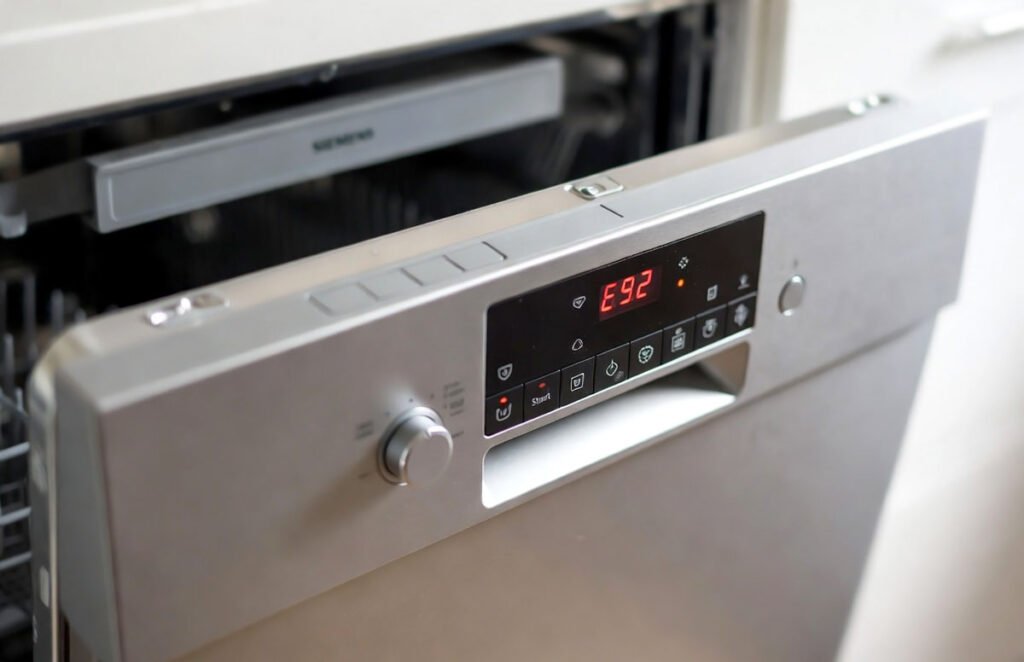
What Does the Bosch Dishwasher Error Code E92 Actually Mean?
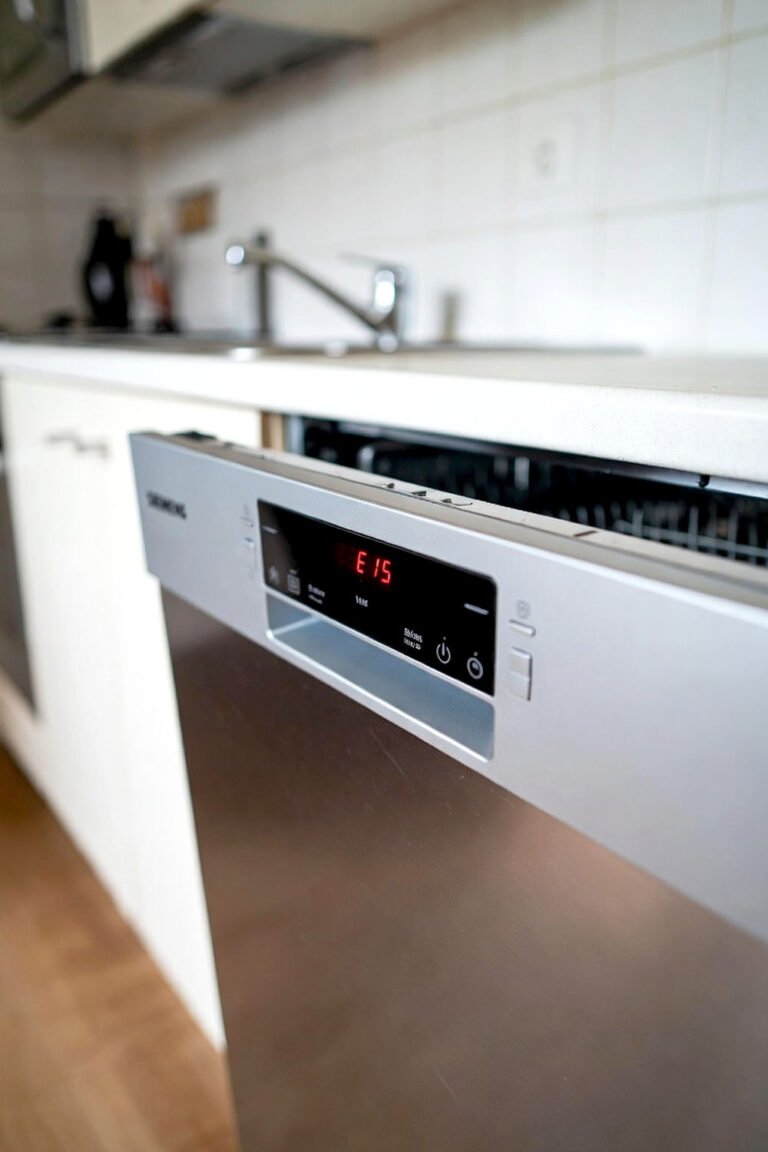
When you see those little red letters popping up on your screen, your dishwasher is basically telling you that its brain is confused about the water sensors. Specifically, this code points toward a problem with the turbidity sensor or the internal filters being way too dirty to function. It means the machine cannot figure out how clean or dirty the water is during the cycle, so it just gives up to prevent any damage.
I have seen this happen dozens of times when people skip the monthly cleaning or use the wrong kind of soap. The sensor gets covered in a thick layer of grease or limescale, which blinds it from seeing through the water. Imagine trying to drive a car with a mud-covered windshield and you will understand why your dishwasher is currently on strike. It is a safety feature designed to keep your dishes from being rinsed in filthy, greasy soup.
Fixing this is usually a matter of deep cleaning or checking for a loose wire under the tub. While it sounds scary, it rarely means your entire machine is trash or that you need to spend a fortune on a new one. Most of the time, a little bit of elbow grease and some patience will get that cycle running again. We just need to go through the components one by one to find the specific culprit.
- Check the fine mesh filter for trapped food.
- Clean the turbidity sensor with a soft cloth.
- Inspect the drain pump for small debris.
- Verify that the spray arms are not clogged.
- Look for any kinks in the drain hose.
- Reset the control panel by holding the start button.
How to Fix Bosch Dishwasher Error Code E92 (Easy Steps)
Step 1: Clear the Filters First
The very first thing you need to do is pull out the bottom rack so you can reach the floor of the machine. You will see a circular plastic filter that twists right out of its housing. It is usually covered in a slimy film of old grease and tiny bits of food that survived the wash. This is the most common reason for your error code appearing.
Take that filter over to your kitchen sink and give it a good scrub with a soft brush and some dish soap. You want to make sure every single little hole in the mesh is clear so water can flow through freely. If the mesh is torn or warped, you should definitely order a replacement because a broken filter lets junk into the pump.
Once the filter is sparkling clean, take a look inside the hole where it sits. Sometimes a stray popcorn kernel or a piece of glass gets stuck down there and blocks the sensor from reading the water levels correctly. Use a flashlight to peek inside and make sure nothing is hiding in the dark corners. A clean path is essential for the machine to work.
- Remove the bottom rack completely.
- Twist and lift the mesh filter.
- Scrub the mesh with warm soapy water.
- Check the sump area for debris.
Step 2: Clean the Turbidity Sensor
The turbidity sensor is a tiny clear part that looks like a little eye inside the water path. Over time, it gets a film of hard water minerals or grease on the lens. If the sensor cannot see through the water, it triggers the e92 code because it thinks the water is infinitely dirty. This is a very common issue in homes with hard water.
You can usually reach this sensor by removing the lower kick plate at the bottom of the dishwasher. Use a soft, damp cloth to gently wipe the plastic lens of the sensor. Be very careful not to scratch it with anything abrasive like a scouring pad. A scratched sensor is a dead sensor and you will have to buy a new one.
If wiping it down does not work, check the wires that plug into the back of the sensor. Sometimes the vibration from the wash cycles can jiggle the plug loose over several years. Give the connector a firm push to make sure it is seated all the way into the socket. A bad connection sends a false signal to the main computer board.
- Locate the sensor behind the kick plate.
- Wipe the lens with a microfiber cloth.
- Ensure the wire plug is tight.
- Avoid using harsh chemicals on the plastic.
Step 3: Inspect the Drain Pump
A clogged drain pump can cause water to sit in the bottom of the tub, which confuses the sensors and throws the e92 error. You need to remove the plastic cover over the pump impeller, which is usually held by a single screw or a clip. Be careful because there might be some standing water that spills out when you open it.
Look closely at the impeller blades to see if they can spin freely. I often find toothpicks, cherry pits, or even small pieces of broken wine glasses jammed in there. If the blades cannot turn, the water stays put and the sensor thinks the cycle has failed. Use a pair of needle-nose pliers to pull out any trash you find.
Check the rubber seal around the pump cover while you are in there. If the seal is pinched or slimy, wipe it clean to ensure a tight fit when you put it back together. A leaky pump cover can suck in air, which creates bubbles that interfere with the turbidity sensor. Everything needs to be airtight and watertight for the system to be happy.
Once you are sure the pump is clear, spin the blades with your finger to make sure they move smoothly. If they feel crunchy or refuse to move at all, the pump motor might be burnt out. However, most of the time it is just a simple clog that you can fix in five minutes. Put the cover back on and tighten it down.
- Remove the pump impeller cover.
- Clear out any glass or food scraps.
- Test the blade rotation by hand.
- Check the rubber seal for damage.
Step 4: Check for Wire Damage
Dishwashers live in a harsh environment full of heat, moisture, and vibrations. This can eventually cause the wiring harness to rub against the metal frame or the plastic tub. If a wire gets frayed or the insulation wears thin, it can create a short circuit. This sends “noise” to the control board that manifests as an e92 error code.
Open the door and look at the bottom where the wires transition from the frame into the door itself. This is a high-stress area because the wires bend every single time you open and close the dishwasher. Look for any wires that look pinched, melted, or broken. If you see bare copper, you have found your problem and need a repair.
You should also check the connections at the main control board, which is usually hidden inside the door panel. You will need a screwdriver to take the inner door skin off to see it. Make sure every plug is pushed in tight and look for any black burn marks on the green circuit board. Burn marks usually mean the board needs to be replaced.
If you are not comfortable with electricity, this is the part where you might want to call a buddy who knows their way around a multimeter. You can test the wires for continuity to make sure the signal is actually getting from the sensor to the brain.
- Inspect the wires near the door hinge.
- Check for frayed or melted insulation.
- Ensure plugs on the control board are snug.
- Look for burn marks on the circuit board.
Step 5: Flush the Drain Hose
Sometimes the issue is not inside the dishwasher at all, but rather in the hose that leads to your sink. If the drain hose is clogged with grease or has a major kink in it, the water cannot exit fast enough. This back pressure can mess with the sensor readings and trigger that e92 code during the rinse cycle.
Disconnect the drain hose from under your sink and blow through it to see if it is clear. If it feels like you are trying to blow through a plugged straw, you have a clog. You can use a long plumbing snake or even a high-pressure garden hose to flush out the gunk. Just make sure you have a bucket ready for the mess.
Check the “high loop” or the air gap on your countertop to make sure it is not blocked. If your dishwasher drains into a garbage disposal, make sure the disposal itself is clear. I once spent an hour fixing a dishwasher only to realize the homeowner had installed a new disposal and forgot to knock out the plastic plug.
A clear hose ensures that every drop of dirty water leaves the machine when it is supposed to. If the water hangs around too long, the turbidity sensor gets confused by the old particles mixing with the new water. Once you have flushed the line, reattach it and make sure there are no sharp bends or kinks in the plastic.
- Disconnect the hose from the sink drain.
- Check the hose for kinks or flat spots.
- Flush out grease with hot water.
- Verify the garbage disposal plug is removed.
Step 6: Perform a Hard Reset
If you have cleaned everything and checked the wires but the code is still there, it might just be a “ghost” error stuck in the memory. Modern dishwashers are basically big computers, and sometimes they just need to be turned off and back on again. This clears out the temporary memory and lets the sensors recalibrate themselves from scratch.
Start by holding down the Start button for about three to five seconds until the display changes or the lights flash. This tells the machine to cancel the current cycle and drain any remaining water. Once it finishes draining, turn off the power at the circuit breaker or unplug the unit from the wall for at least ten minutes.
While the power is off, the capacitors on the control board will fully discharge. This is the only way to truly reset the internal logic of the machine. After the ten minutes are up, flip the power back on and try running a short “Rinse” or “Express” cycle. This allows the machine to test its sensors without a full load of dishes.
If the machine completes the cycle without the e92 code returning, you are back in business. If the code pops up immediately, then one of the parts you checked is likely physically broken and needs to be swapped out. Most of the time, this reset is the final “pro” secret that gets the kitchen back to normal.
- Hold Start to cancel the current cycle.
- Turn off the circuit breaker for ten minutes.
- Restore power and select a short cycle.
- Watch for the error code to reappear.
Can I Use My Dishwasher While the E92 Code is Active?
You really should avoid running the machine if that code is blinking at you. When the e92 error is active, the dishwasher is basically operating in the dark because it cannot tell if the water is clean. This usually means it will either skip essential rinse steps or it might just stop mid-cycle and leave your dishes sitting in a pool of dirty, soapy water.
Running a faulty machine can also put extra stress on the heating element and the pump motor. If the sensor is wrong and the machine thinks there is no water when it is actually full, it might try to heat up air, which can cause permanent damage. It is much better to take thirty minutes to clean the filters now than to replace a melted heating element later.
Hand washing for one night is a bummer, but it is a lot cheaper than a major electrical repair. If you absolutely must use it, you could try a manual rinse first, but the machine will likely just error out again within minutes. Be patient and fix the underlying sensor or clog issue before you try to process another load of greasy dinner plates.
- The machine may skip vital cleaning steps.
- Dirty water might stay trapped in the tub.
- Excessive heat could damage the plastic interior.
- The pump motor might overheat and burn out.
- Dishes will not be properly sanitized or dried.
- The error will likely stop the cycle anyway.
| Step Name | Difficulty Level | Parts Needed | Pro Tip |
| Clean Filter | Easy | Soap and Brush | Scrub the mesh gently to avoid tears. |
| Wipe Sensor | Medium | Microfiber Cloth | Access it through the bottom kick plate. |
| Clear Pump | Medium | Pliers | Look for tiny shards of broken glass. |
| Reset Power | Easy | None | Leave it unplugged for a full ten minutes. |
Final Thoughts
Dealing with appliance repairs can feel overwhelming, but you have totally got this. Most of these errors are just the machine’s way of asking for a little bit of maintenance and a good cleaning. By following these steps, you are not just fixing a code, you are extending the life of your dishwasher for years to come. Take a deep breath, grab your flashlight, and get that kitchen back in order.
Frequently Asked Questions (FAQs)
Is it expensive to fix the e92 error code?
Most of the time, this fix costs absolutely nothing because it is usually just a matter of cleaning the filters or the turbidity sensor. If you have to replace the sensor yourself, the part typically costs between fifty and eighty dollars. It only gets expensive if you have to replace the main control board.
Can I clean the turbidity sensor without taking the whole machine apart?
You can usually reach it by just removing the bottom front panel, which is held on by two screws. You do not need to pull the dishwasher out from under the counter in most cases. It is a tight squeeze for your hands, but it is much easier than a full teardown of the unit.
Do I need special tools to clear a pump blockage?
You will mostly just need a Torx T20 screwdriver, which is standard for Bosch appliances, and maybe a pair of needle-nose pliers. The pliers are great for grabbing bits of bone or glass that are stuck deep in the impeller. A good flashlight is also your best friend for seeing into the dark sump.
Is it possible that my detergent is causing the e92 code?
Yes, if you use too much soap or a brand that suds up excessively, the bubbles can trick the turbidity sensor. The sensor sees the thick foam as “dirty water” because light cannot pass through it. Always use high-quality pods or measured powder to keep the water clear enough for the sensor to read.
Can a kinked drain hose really cause a sensor error?
It absolutely can because it prevents the dirty water from leaving the tub completely. When new water enters, it mixes with the old, greasy water, making it too cloudy for the sensor to handle. A quick check of the hose under the sink can save you hours of unnecessary work on the machine.
Do I have to reset the dishwasher after cleaning the parts?
It is a very good idea to perform a hard reset after any repair. The computer sometimes holds onto the error code even after the physical problem is gone. Cutting the power for ten minutes forces the system to re-check all its sensors, which usually clears the light and lets you start fresh.
Is it safe to use vinegar to clean the sensors?
Vinegar is great for breaking down hard water deposits on the sensor lens, but do not soak the whole sensor in it. Just dampen a cloth with a little vinegar and wipe the plastic surface. It helps remove that white cloudy film that prevents the sensor from “seeing” the water clarity during the wash.
Can I bypass the turbidity sensor if it keeps failing?
You cannot easily bypass it because the control board expects a specific electronic signal to continue the cycle. If the signal is missing or wrong, the machine will stay stuck in the error state for safety. Replacing the sensor is the only reliable way to fix a truly broken part and get back to washing.