As an Amazon Associate, I earn from qualifying purchases at no extra cost to you.
Whirlpool Dishwasher Error Code H20: Fix It Like a Pro
 ByZayyan

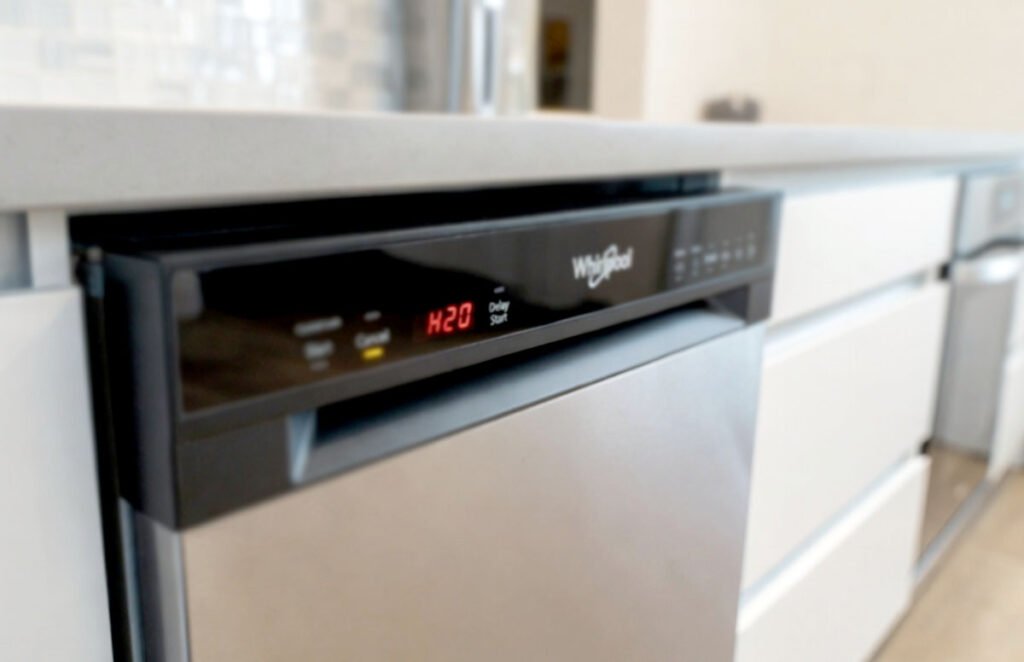
Water is spraying everywhere because I just pulled the kickplate off a machine that decided to quit mid-cycle. The kitchen floor is a lake, the homeowner is panicked, and that flashing H20 code is mocking us from the control panel. I have spent two decades wrestling with these stubborn machines to keep kitchens running smoothly.
The H20 code essentially means your dishwasher is thirsty because it is not getting enough water within the allotted timeframe. You need to verify your home water pressure first, then inspect the inlet valve for debris or a failed solenoid. If the valve clicks but no water enters, the internal screen is likely clogged with hard water deposits. Swapping the valve with a 1/4-inch nut driver usually solves it, provided your float switch is not stuck in the “up” position from a stray spoon.
What is the Whirlpool H20 Error Code?
When your dishwasher displays this specific code, it is telling you that the flow meter has not detected enough pulses during the fill cycle. This usually happens within the first minute of starting a wash. The computer waits for the tub to reach a certain level, and when the sensor stays dry, the system shuts everything down to protect the heating element from burning out in an empty tub. It is a safety feature that prevents a small mechanical failure from turning into a major fire hazard or a melted plastic mess.
I often see this happen in homes with older plumbing where sediment breaks loose and travels straight into the dishwasher’s delicate intake. The machine expects a specific volume of water to rush in through the inlet valve. If that flow is restricted by a kinked hose or a failing valve, the internal timer runs out before the pressure switch can signal a successful fill. It is not always a broken part. Sometimes it is just a physics problem involving pressure and timing that needs a quick manual adjustment.
You might also be dealing with a “ghost” error where the water is actually in the machine, but the dishwasher does not realize it. This happens when the flow meter, which is a tiny spinning wheel inside the water path, gets stuck or loses its magnetic connection. If that wheel doesn’t spin, the control board assumes the tub is empty even if it is overflowing. Understanding whether the tub is bone dry or full of water is the first step in deciding if you are fixing a plumbing clog or an electronic sensor failure.
- A clogged inlet valve screen filled with calcium or sediment.
- Low home water pressure preventing the valve from opening fully.
- A kinked supply line hidden behind the dishwasher cabinet.
- A faulty water inlet valve solenoid that has burnt out.
- The float switch is stuck in the up position by a dish.
- A defective flow meter that cannot track water volume accurately.
How to Fix Whirlpool H20 Error Code
Check the Water Supply Valve and Pressure
The very first thing I do is crawl under the sink to check the shut-off valve. Sometimes these handles get bumped by a stray bottle of dish soap or a heavy pot, partially closing the flow. If the valve is not open all the way, the dishwasher will struggle to get enough volume to satisfy the sensor. I always give the handle a firm turn to ensure it is fully engaged and providing maximum pressure to the line.
Next, you need to disconnect the braided supply line from the dishwasher side to test the actual flow. Grab a five-gallon bucket and hold the end of the hose inside it while someone briefly cracks the valve open. You should see a strong, steady stream of water that fills the bucket quickly. If the water just dribbles out, the problem is not your dishwasher. Your home plumbing or the shut-off valve itself is the culprit behind the H20 error.
Check the hose for any sharp bends or kinks that might have formed if the machine was recently pushed back into place. Plastic PEX lines are notorious for kinking when they get warm. I prefer using reinforced stainless steel braided lines because they resist collapsing much better over time. Ensure the line has enough slack to move freely without getting pinched against the wall or the dishwasher’s heavy frame during the high-vibration wash cycles.
- Ensure the under-sink shut-off valve is fully in the open position.
- Disconnect the supply line to verify strong water pressure into a bucket.
- Inspect the entire length of the fill hose for any kinks.
- Replace old plastic supply lines with reinforced stainless steel braided hoses.
Inspect the Overfill Protection Float Switch
I have seen many H20 codes caused by something as simple as a fallen butter knife. Look inside the bottom of the dishwasher for the small plastic cylinder, which is the float. If this piece is stuck in the raised position, the machine thinks the tub is already full of water. It will refuse to open the inlet valve as a precaution against flooding. Tap it gently to make sure it moves up and down freely.
You should hear a distinct “click” coming from the microswitch underneath the tub when you lift the float. This click tells you the mechanical side of the safety system is working. If you don’t hear it, or if the float feels crunchy when it moves, there is likely a buildup of old soap scum or food debris underneath it. Clean the area thoroughly with warm water and vinegar to ensure nothing is obstructing its path.
To be thorough, I use a multimeter to check the continuity of that microswitch behind the bottom kickplate. Accessing it requires removing two 1/4-inch screws from the bottom panel. If the switch shows “open” even when the float is down, the switch is bad and needs replacing. This tiny part is a common failure point that sends a false “full” signal to the board, effectively starving the machine of water.
- Verify the plastic float moves freely without any physical obstructions.
- Listen for a mechanical click when lifting the float by hand.
- Clean out any debris or soap buildup from under the float.
- Test the microswitch continuity using a multimeter for electrical failure.
Clean the Inlet Valve Filter Screen
Every Whirlpool inlet valve has a tiny fine-mesh screen tucked inside the entry port. This screen is designed to catch sand and pipe scale before it ruins the internal seals. Over time, minerals like calcium can bridge across this mesh, creates a solid wall that water cannot pass through. You can usually see this buildup if you shine a flashlight into the valve port after removing the supply line.
Do not try to remove the screen with a screwdriver because you will likely puncture it and ruin the valve. Instead, I use a soft toothbrush and some white vinegar to gently scrub the mesh while it is still in place. If the debris is stubborn, a small pair of needle-nose pliers can carefully pull the screen out for a deeper soak. Just be extremely gentle to avoid distorting the plastic housing or the mesh itself.
If the screen is clear but the H20 code persists, the solenoid inside the valve might be weak. These coils can get tired over time, meaning they lack the magnetic strength to pull the plunger open against the water pressure. Since these valves are relatively inexpensive, I usually recommend replacing the entire assembly if cleaning the screen doesn’t fix the flow. It is a much more reliable long-term solution for a frustrated homeowner.
- Remove the supply line to access the small mesh filter screen.
- Scrub the screen gently with a toothbrush and vinegar to remove scale.
- Avoid puncturing the mesh to prevent debris from entering the valve.
- Replace the entire valve if the screen is clean but flow remains low.
Replace the Water Inlet Valve Assembly
If cleaning didn’t work, it is time to swap the valve, which is located behind the lower kickplate on the left side. Start by turning off the power at the breaker and shutting off the water supply. Use your 1/4-inch nut driver to remove the kickplate screws and set the panel aside. You will see the brass or plastic valve held on by a single bracket screw, which is also usually a 1/4-inch size.
Disconnect the wiring harness by squeezing the plastic tabs and pulling straight back. Have a towel ready because a small amount of water will leak out of the internal black rubber hose. Loosen the hose clamp using a pair of pliers and slide the hose off the old valve. Then, use a wrench to unscrew the brass elbow fitting from the old valve so you can reuse it on the new part.
Apply fresh Teflon tape to the threads of the brass elbow before threading it into the new valve. This prevents annoying slow leaks that can rot your kitchen floor over time. Connect the internal rubber hose first, then the wiring, and finally the main water supply line. Tighten everything down, turn the water back on, and check for leaks before you put the kickplate back on and run a test.
- Turn off the power and water before starting any electrical work.
- Remove the kickplate and disconnect the wiring and internal rubber hose.
- Transfer the brass elbow fitting to the new valve using Teflon tape.
- Verify there are no leaks at the connections before reassembling the panel.
Examine the Flow Meter and Wiring
The flow meter is a small plastic component located on the side of the dishwasher’s water assembly. It contains a tiny impeller wheel that spins as water passes through, sending electrical pulses to the control board. If these wires are loose or corroded, the board won’t see those pulses. I always check the wire harness for any signs of moisture or “green” corrosion on the metal pins within the plastic connector.
Sometimes the impeller gets stuck due to a tiny grain of sand that made it past the initial filter screen. You can often hear a faint rattling or humming if the meter is struggling to turn. If you have a multimeter, you can check for a pulse, but usually, a visual inspection of the wiring is more productive. Ensure the wires are not pinched against the metal frame, which can cause an intermittent short circuit.
If the wiring looks perfect but the H20 code happens every single time, the flow meter itself has likely failed internally. On many Whirlpool models, the flow meter is integrated into the side “water tank” or pressure chamber. If this is the case, you may need to replace the entire side assembly to fix the sensor. It is a bit more involved, but it is the only way to ensure the board receives the correct signals.
- Inspect the flow meter wiring harness for loose connections or corrosion.
- Check for pinched wires along the metal frame of the dishwasher.
- Look for debris inside the flow meter that might jam the impeller.
- Replace the flow meter assembly if wiring and water pressure are good.
Reset the Control Board and Test
Once the physical repairs are done, you need to clear the error code from the machine’s memory. Whirlpool dishwashers often hold onto errors even after the part is fixed. The easiest way to reset the board is to flip the breaker for a full sixty seconds. This allows the capacitors on the control board to discharge completely, which wipes out the temporary fault codes and forces a fresh system reboot.
After restoring power, I always run a “Quick Wash” or a “Rinse Only” cycle to watch the machine in action. Watch the bottom of the tub to ensure water is actually entering within the first forty-five seconds of the cycle. You should hear the distinct “whoosh” of water and see the levels rise above the heating element. If the code returns immediately, it means the board is still detecting a communication breakdown with the sensor.
If everything looks good, listen for the sound of the wash motor kicking in after the fill cycle ends. This confirms the machine is satisfied with the water level and has transitioned into the next phase. I always leave the kickplate off during this first test run to double-check my plumbing connections for any tiny drips. Once the cycle finishes without an error, you can safely call the job done and celebrate your victory.
- Perform a hard reset by turning off the breaker for one minute.
- Run a short test cycle to verify water enters the tub quickly.
- Listen for the wash motor to ensure the fill cycle was successful.
- Inspect all plumbing connections for leaks during the initial test run.
How Do I Prevent the H20 Code from Coming Back?
Preventing this headache starts with the quality of water entering your home. If you live in an area with hard water, those mineral deposits will eventually choke any appliance that uses a solenoid valve. Installing a whole-home water softener is the gold standard, but even a simple inline filter for the dishwasher can make a huge difference. By catching the sediment before it reaches the machine, you protect the delicate mesh screens from becoming a solid wall of calcium.
Another big factor is how you use your dishwasher daily. I always tell my friends to run the kitchen sink hot water for a few seconds before starting the dishwasher. This ensures the machine gets hot water immediately, which helps dissolve detergents and prevents “slugs” of cold, hard water from sitting in the intake valve. Hot water keeps the internal components more pliable and helps prevent the buildup of gunk that can eventually jam the overfill float or the flow meter impeller.
Finally, do not neglect the basic cleaning of the interior filters. While the H20 code is about water coming in, a clogged drain filter can sometimes confuse the system’s sensors during the transition between cycles. Once a month, pull out the bottom rack and wash the circular mesh filter under the sink with a bit of soap. Keeping the entire water path clear ensures that the pressure sensors and flow meters can do their jobs without fighting against stagnant, dirty water or debris.
- Install a water softener to reduce calcium and scale buildup in valves.
- Run the hot water at the sink before starting a dishwasher cycle.
- Clean the interior dishwasher filters once a month to prevent clogs.
- Inspect the fill hose every few years for signs of wear or kinking.
- Avoid using excessive amounts of detergent which can cause sensor-foaming.
- Check the float switch area occasionally to ensure it remains debris-free.
Final Thoughts
Dealing with a broken dishwasher is never fun, but the H20 code is usually something you can handle without calling in a high-priced technician. Take your time, stay organized with your screws, and always double-check those water connections for leaks. You have the tools and the knowledge now to get that machine back to work. Go ahead and give it a shot, you might just surprise yourself with how handy you are.
| Steps | Difficulty Level | Parts Needed | Pro Tip |
| Pressure Check | Easy | Bucket | Test flow at the hose, not just the sink. |
| Float Inspection | Very Easy | None | A stuck float is the #1 “free” fix. |
| Valve Cleaning | Moderate | Vinegar, Toothbrush | Be gentle with the mesh; don’t poke holes. |
| Valve Replacement | Moderate | New Inlet Valve | Use Teflon tape on the brass elbow threads. |
Frequently Asked Questions (FAQs)
Is it expensive to replace the water inlet valve?
Replacing the water inlet valve is actually one of the more affordable repairs you can perform on a Whirlpool dishwasher. The part itself usually costs between twenty-five and fifty dollars depending on your specific model. If you do the work yourself, you save at least a hundred dollars in labor and service call fees.
Can I run the dishwasher if the H20 code is flashing?
You generally cannot run the dishwasher while the H20 code is active because the machine will automatically shut down for safety. The code is there to prevent the pump and heating element from running without water, which could cause permanent damage. You must clear the error and fix the supply issue first.
Do I need special tools to fix the H20 error?
You do not need many specialized tools, which is great news for most homeowners. A standard 1/4-inch nut driver is the most important tool for removing the kickplate and the valve. You might also need a pair of pliers for hose clamps and an adjustable wrench for the water supply line connection.
Is it possible that my water pressure is too high?
While high water pressure is less common than low pressure, it can actually cause the inlet valve to fail or stay shut. Most dishwashers are designed to handle standard home pressure between twenty and one hundred twenty PSI. If your pressure is excessively high, it can put undue stress on the valve’s internal seals.
Can a clogged drain cause an H20 error code?
A clogged drain usually triggers a different error code, but in some rare cases, it can interfere with the fill cycle. If the machine cannot drain properly, the sensors might get confused about the actual water level in the tub. It is always a good idea to ensure the drain is clear.
Do I have to pull the dishwasher out of the cabinet?
In most cases, you can fix the H20 error entirely from the front of the machine by removing the kickplate. You only need to pull the dishwasher out if you suspect the fill hose is kinked behind the unit or if you need to access the side-mounted flow meter on certain models.
Is it safe to clean the inlet valve with chemicals?
I recommend sticking to white vinegar for cleaning the inlet valve screen because it is effective at dissolving calcium without damaging the plastic. Avoid using harsh drain cleaners or bleach inside the valve, as these chemicals can degrade the rubber seals and lead to a major leak in your kitchen later.
Can the H20 code be caused by a control board failure?
While it is possible for the control board to fail, it is very rare for it to be the primary cause of an H20 code. Usually, the issue is mechanical or related to the sensors. I always recommend exhausted all plumbing and valve possibilities before spending money on a new electronic control board.