As an Amazon Associate, I earn from qualifying purchases at no extra cost to you.
6 Best Japanese Knives for Home Chefs (Buying Guide) 2026
 ByZayyan

Cooking at home feels like a chore when your blade struggles to slice through a simple onion. Most people find themselves hacking away with dull, heavy tools that make kitchen work feel dangerous and exhausting. In this article I will show you the top 6 best japanese knives for home chefs so you can prep like a pro.


Top 6 Best Japanese Knives for Home Chefs You Can Buy Now
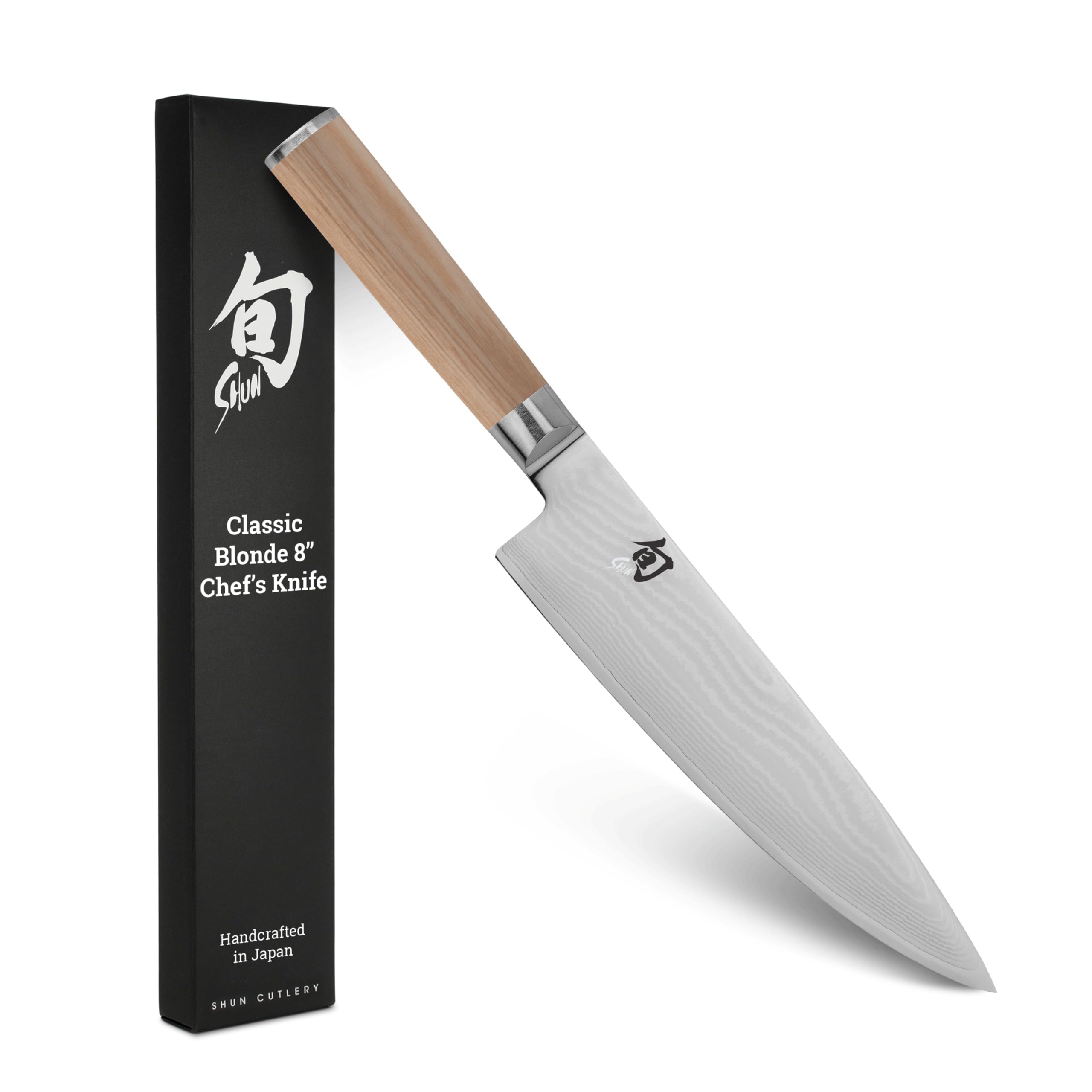
Shun Classic Blonde 8-inch Chef’s Knife – Best for Elegant Design
The light colored handle on this blade really stands out in any modern kitchen setup. It uses a special VG-MAX steel core that stays sharp for a very long time. You will notice how the 34 layers of stainless steel on each side create a beautiful pattern. It looks like flowing water.
The pakkawood handle feels smooth and stays comfortable even during long prep sessions. It is moisture resistant and durable. You do not have to worry about the wood warping or getting gross over time. It fits perfectly in your palm. The d-shaped grip gives you great control.
This knife is light and nimble which makes it perfect for fast chopping. You can fly through a pile of herbs or carrots without your wrist getting tired. The edge is incredibly thin and precise. It cuts through soft tomatoes like they are made of room temperature butter.
While it is beautiful, you must remember that the thin edge is a bit brittle. Do not use it to hack through frozen foods or heavy bones. Hand wash it every single time. It deserves that extra bit of love to keep that stunning blonde finish looking brand new.
- VG-MAX cutting core
- Blonde pakkawood handle
- Handcrafted in Japan
- Thin, agile blade profile
Yoshihiro VG10 46 Layers Japanese Chefs Knife – Best for Traditional Craft
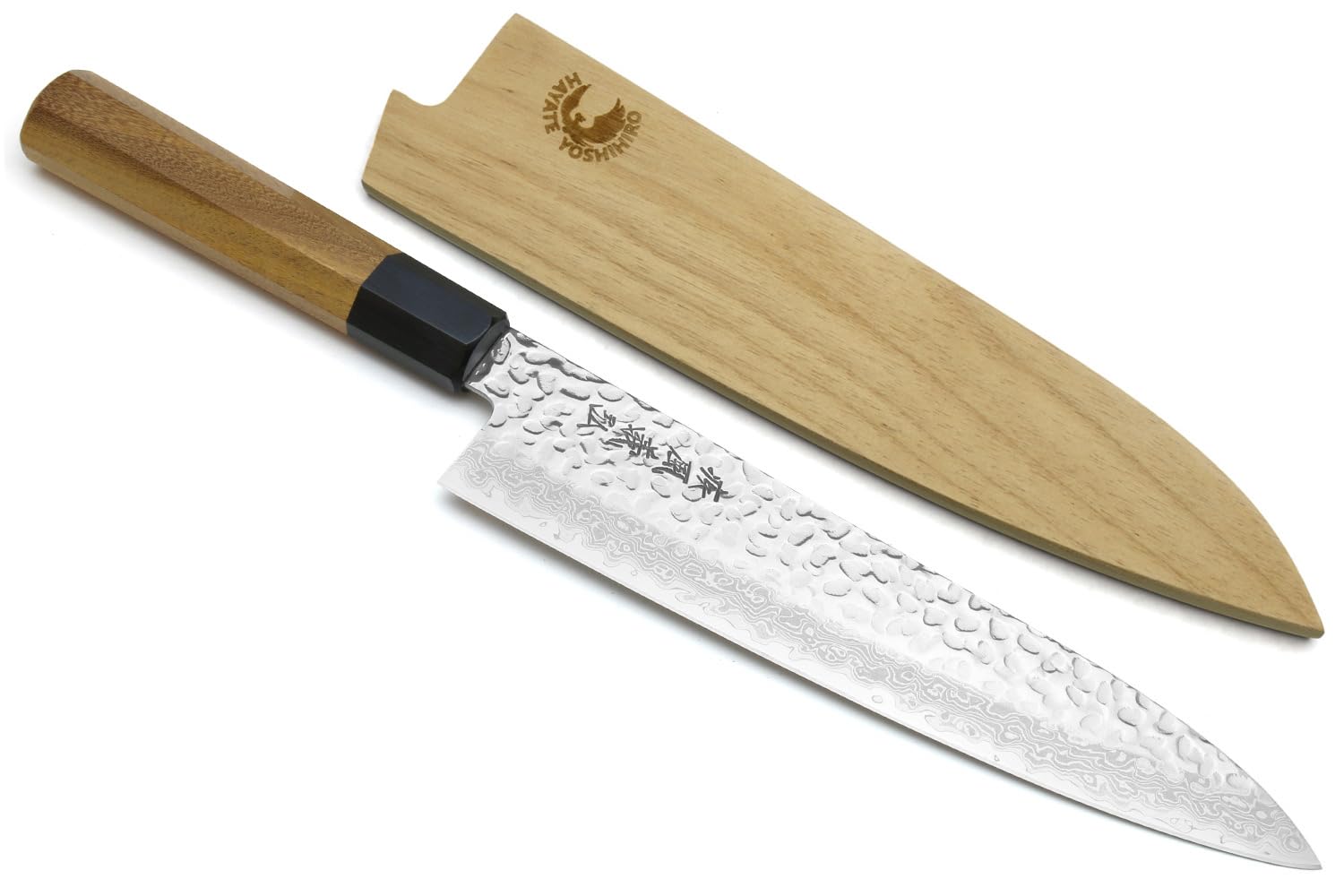
This gyuto features a gorgeous hammered finish that stops food from sticking to the sides. It is a traditional look that also serves a very practical purpose in your kitchen. The 46 layers of damascus steel wrapped around the core create a unique and rugged aesthetic.
The rosewood handle is shaped in the classic octagonal style often found in professional Japanese kitchens. It provides a solid grip regardless of how you hold the knife. You will feel a real connection to the history of Japanese bladesmithing when you pick this one up.
The weight balance is shifted slightly toward the tip which helps with effortless slicing motions. You just let the blade do the work for you. It handles meat and vegetables with equal ease. The mahogany bolster adds a nice touch of luxury to the overall feel.
Because the core is VG10 stainless steel, it is easier to maintain than high carbon options. It resists rust well but you should still dry it immediately after use. It comes with a wooden sheath called a saya to protect the edge in your drawer.
- Hammered tsuchime finish
- Octagonal rosewood handle
- Protective wooden saya included
- Handmade by skilled artisans
Miyabi Birchwood SG2 Japanese Chef’s Knife – Best for Ultimate Sharpness
If you want the absolute peak of luxury and performance, this birchwood beauty is the one. The blade features an SG2 micro-carbide powder steel core which is incredibly hard. This means it can take a much sharper edge than almost any other kitchen tool.
The handle is made from Karelian Birch which is the same wood used in Faberge eggs. It feels warm and organic in your hand. Over time, the wood will develop a unique character as you use it. The mosaic pin in the handle is a tiny work of art.
Cutting with this knife feels like using a laser beam on your cutting board. The 101-layer flower damascus pattern is breathtaking to look at. You might find yourself staring at the blade instead of your dinner. It is thin, light, and perfectly balanced at the bolster.
Treat this knife with extreme care because the steel is very hard and can chip if dropped. It is not a tool for beginners who are rough with their gear. This is a precision instrument for someone who truly appreciates the fine art of Japanese cutlery.
- SG2 micro-carbide steel core
- 101-layer damascus design
- Karelian Birch wood handle
- Cryodur ice-hardened blade
Dalstrong 8 inch Chef Knife – Best for Heavy Duty Use
This knife from the Shogun Series is built like a tank but still retains that Japanese soul. It uses an AUS-10V vacuum treated steel core for great edge retention. You get the benefits of a Japanese edge with a bit more durability for daily tasks.
The handle is made of G10 garolite which is a military grade material. It is nearly indestructible and can handle heat, cold, and moisture without flinching. It has a slightly more substantial feel than the more delicate birchwood or pakkawood options on this list.
You will see the tsunami rose pattern on the blade which looks very aggressive and cool. It is a wide blade so you have plenty of knuckle clearance when chopping on a board. You can also use the side of the blade to scoop up ingredients.
This is a great entry point for someone moving away from heavy Western knives. It bridges the gap between ruggedness and precision. It comes with a locking sheath which is handy if you travel with your tools. It is a very reliable workhorse.
- AUS-10V Japanese super steel core
- G10 military grade handle
- Engraved end cap for balance
- Included blade guard sheath
Sakai Takayuki 33 Layer Japanese Gyuto Chef Knife – Best for Reliable Balance
Sakai Takayuki is a legendary name in the knife world with centuries of history behind them. This 33 layer damascus blade is a perfect example of why they are so respected. The hammered finish on the top half looks classic and helps release food quickly.
The handle is made of mahogany wood and features a Western style shape. This makes it very easy to transition to if you are used to European brands. It feels very familiar but the performance is on a completely different level. It is very sturdy.
The balance on this gyuto is fantastic and makes it feel lighter than it actually is. You can use it for hours without any discomfort. The double edged blade is ground to a very fine point for detail work. It handles garlic and shallots with total precision.
This is a very forgiving knife that works well for almost any task in the house. It is easy to sharpen when the time eventually comes. It does not feel as fragile as some powder steel blades. It is a solid choice for a primary kitchen knife.
- 33 layers of damascus steel
- Resin treated mahogany handle
- Sakai city craftsmanship
- Hammered texture for food release
MAC Knife Professional series 8-inch Chef’s knife – Best for Practical Performance
Many professional chefs swear by the MAC Professional series for a very good reason. It does not have the flashy damascus patterns of the others but it performs brilliantly. The thin blade and hollow edge dimples make it a champion at slicing sticky things.
The steel is a high carbon alloy that gets scary sharp and is easy to touch up. It holds its edge remarkably well even under heavy use. You will find that this knife becomes the one you grab for every single meal. It is pure utility.
The handle is a simple black wood that is shaped for comfort and durability. It has a bolster that adds a bit of weight to the heel of the blade. This gives you extra power when cutting through tougher vegetables like butternut squash or large melons.
Because it lacks the fancy layers, it is much easier to maintain and care for daily. You do not have to worry about scratching a beautiful finish. It is a professional tool meant to be used hard and often. It is the ultimate sleeper pick.
- Sub-zero tempered steel
- Hollow edge for less drag
- Large comfortable bolster
- Highly recommended by experts
I hope this list helps you find the perfect blade for your home kitchen adventures. Choosing the top 6 best japanese knives for home chefs was about finding that balance of beauty and function. A good knife changes how you feel about cooking every single day. Pick the one that fits your hand and your style best. Happy cooking and stay sharp out there.
| Product Name | Blade Material | Handle Type | Best For |
| Shun Classic Blonde | VG-MAX Steel | Blonde Pakkawood | Modern Style |
| Yoshihiro VG10 | VG10 Damascus | Octagonal Rosewood | Tradition |
| Miyabi Birchwood | SG2 Powder Steel | Karelian Birch | Extreme Sharpness |
| Dalstrong Shogun | AUS-10V Steel | G10 Garolite | Durability |
| Sakai Takayuki | 33-Layer Steel | Mahogany Wood | Perfect Balance |
| MAC Professional | High Carbon Steel | Pakkawood | Raw Utility |
Things to consider before buying japanese knives for home chefs: A Practical Guide
Buying your first high end blade feels like a major milestone. You probably feel overwhelmed by all the shiny steel and fancy names on the internet. It is easy to get distracted by beautiful patterns and forget how the tool actually feels in your hand when you are tired on a Tuesday night.
Selecting the right tool depends on your specific kitchen habits and how much time you want to spend on maintenance. There are several things to consider before buying japanese knives for home chefs that will save you from wasting money on something that stays in the drawer.
Finding the Right Steel Type
The metal used in the blade is the most important factor for your daily experience. You generally choose between stainless steel and high carbon steel. Stainless options are much easier to handle because they do not rust if you leave a drop of water on them for a few minutes.
High carbon steel holds a sharper edge for a much longer time but it is very demanding. If you forget to wipe it dry after cutting an onion, it will start to change color and rust almost immediately. This is great for enthusiasts but can be a huge headache for a busy parent.
I usually suggest most home cooks start with a high quality stainless alloy like VG10 or AUS10. These metals give you that signature Japanese sharpness without the constant fear of ruining the blade during dinner. It is the best way to enjoy your new hobby without the stress of perfect maintenance.
- Stainless steel resists rust and stains.
- Carbon steel stays sharper but requires oiling.
- VG10 is a great middle ground for beginners.
Choosing the Handle Shape
You will see two main styles of handles when you look at these tools. The Western style handle looks like what you already have in your kitchen drawer. It is heavy, durable, and usually has three rivets holding the wood or plastic to the metal tang of the knife.
The traditional Japanese handle, or “Wa” handle, is much lighter and usually shaped like an octagon or a circle. Because it is light, the balance of the knife shifts toward the tip of the blade. This makes the tool feel very nimble and fast when you are doing delicate work.
If you are used to heavy German knives, a Wa handle might feel a bit strange at first. However, many people find it much more comfortable for long sessions of chopping vegetables. You should try to hold both styles if possible before you commit to a specific brand or model.
- Western handles feel heavy and very familiar.
- Wa handles are light and shift balance forward.
- Octagonal shapes offer a very secure grip.
Deciding on the Blade Shape
Most people only need one or two good knives to handle every task. The Gyuto is the Japanese version of a classic chef knife. It has a slight curve that allows you to rock the blade back and forth while you are mincing herbs or garlic.
The Santoku is another popular choice and it is usually a bit shorter. It has a flatter edge which is perfect for an up and down chopping motion. If you mostly prep vegetables for salads or stir fry, a Santoku feels very controlled and easy to manage on a small board.
I often see people buy a huge set of knives they never use. You are much better off spending your budget on one really great Gyuto than a block full of mediocre tools. Think about what you actually cook most often before you pick a specific shape or length.
- Gyuto is a versatile all purpose chef knife.
- Santoku is great for chopping vegetables.
- Pick the shape that matches your cutting style.
Understanding Blade Thickness and Weight
Japanese knives are famous for being much thinner than their European cousins. This thinness allows them to glide through hard vegetables like carrots without wedging or cracking them. It feels like magic the first time you experience a truly thin and sharp Japanese edge.
However, that thinness makes the blade more fragile. You cannot use these to hack through frozen meat or chicken bones. If you try to twist the blade while it is stuck in something hard, the edge might chip or even snap. It is a precision instrument, not a pry bar.
Heavy knives can feel sturdy, but a light blade reduces fatigue in your hand and wrist. You will notice that you can prep for a large party without feeling like you just went to the gym. Just remember to treat the edge with respect and keep it away from hard bones.
- Thin blades slice with almost zero resistance.
- Lightweight tools prevent hand and wrist fatigue.
- Avoid frozen foods and bones to prevent chips.
Learning About the Bevel
The bevel refers to the angle of the edge itself. Most knives sold in the West are double beveled, meaning they are sharpened on both sides. This makes them easy for both left and right handed people to use without any special adjustments or training.
Single bevel knives are sharpened only on one side and are traditional for tasks like slicing raw fish. These are much harder to master and will pull to one side if you aren’t used to them. I highly recommend sticking with a double bevel for your everyday home cooking tasks.
You should also look at the edge angle. Most Japanese tools are sharpened to about 15 degrees. This is much steeper than a standard kitchen knife. It is what creates that incredible sharpness but it also means you need to be careful with how you cut and store it.
- Double bevels are easy for everyone to use.
- Single bevels are for specialized professional tasks.
- 15 degree angles provide a very sharp edge.
Budget and Long Term Value
You do not need to spend five hundred dollars to get a fantastic tool. There is a sweet spot between one hundred and two hundred dollars where you get amazing performance. Past that price point, you are often paying for fancy decorations or a famous maker name.
A good knife is a long term investment that can last for your entire life if you care for it. It is better to buy one quality piece every year than a cheap set every two years. The joy of using a sharp tool every day is worth the initial cost.
Remember to save a bit of money for a good wooden cutting board and some sharpening supplies. A great knife on a glass cutting board is a recipe for disaster. Investing in the right accessories will protect your blade and keep it performing like new for many years.
- The $150 range offers the best value.
- One great knife beats a cheap set.
- Save money for a wood cutting board.
I hope these tips help you feel more confident as you shop for your new kitchen companion. Choosing a blade is a personal journey, but keeping these things to consider before buying japanese knives for home chefs in mind will lead you to a tool you truly love. You deserve to have fun while you cook.
| Buying Action | What to Look For | Pro Tip |
| Check the Steel | VG10 or AUS10 Stainless | Best for low maintenance homes |
| Feel the Handle | Octagonal or Western style | Hold it to check the balance |
| Pick the Shape | Gyuto (8 inch) | Most versatile for all tasks |
| Test the Weight | Lightweight and thin | Reduces wrist pain during prep |
| Examine the Edge | Double bevel (50/50) | Easiest for beginners to sharpen |
| Review the Finish | Hammered or Damascus | Helps food slide off the blade |
Frequently Asked Questions (FAQs)
Is it hard to maintain a Japanese knife?
It is not hard but it does require a different routine than your old cheap blades. You cannot toss these in the dishwasher because the heat and soap will ruin the steel and handle. Just wash it by hand with mild soap and dry it right away.
Can I use these knives on a glass cutting board?
Do not ever use a glass or stone cutting board with these high quality tools. Those hard surfaces will chip or dull the edge in seconds. Stick to wood or soft plastic boards to keep your blade in good shape. Wood is much better for your edges.
Do I need to sharpen them often?
These knives hold their edge much longer than standard Western knives because the steel is harder. You might only need to sharpen them once or twice a year depending on how much you cook. Using a ceramic honing rod every week will help keep them feeling fresh.
Is it okay to cut bones with these?
You should avoid cutting through bones or frozen food with these specific knives. The steel is very hard which makes it brittle compared to softer German steel. If you hit a bone, the edge might chip. Use a heavier cleaver for those rough jobs instead.
Can left handed people use these knives?
Most of the knives on this list are 50/50 bevels so they work for everyone. However, the Shun Classic has a D-shaped handle that is specifically made for righties. Always check the handle shape to make sure it will feel comfortable in your dominant hand.
Do I need to oil the blade?
If your knife is made of stainless steel, you do not really need to oil it. Just keep it dry and clean. If you choose a high carbon blade, a tiny drop of food grade mineral oil helps prevent rust. Most of these are very rust resistant.
Is it worth the high price?
A high quality tool makes cooking much safer because you do not have to use force. It also makes your food look better since you aren’t smashing the fibers. Think of it as a long term investment that will last for decades if you treat it well.
Do I need a special sharpener?
You should avoid using those cheap pull-through sharpeners on these blades. They can be too aggressive and ruin the fine edge. It is much better to use whetstones or send them to a professional who knows how to handle Japanese steel. It is worth the extra care.