As an Amazon Associate, I earn from qualifying purchases at no extra cost to you.
Maytag Dishwasher Error Code E1: How to Fix It Today
 ByZayyan

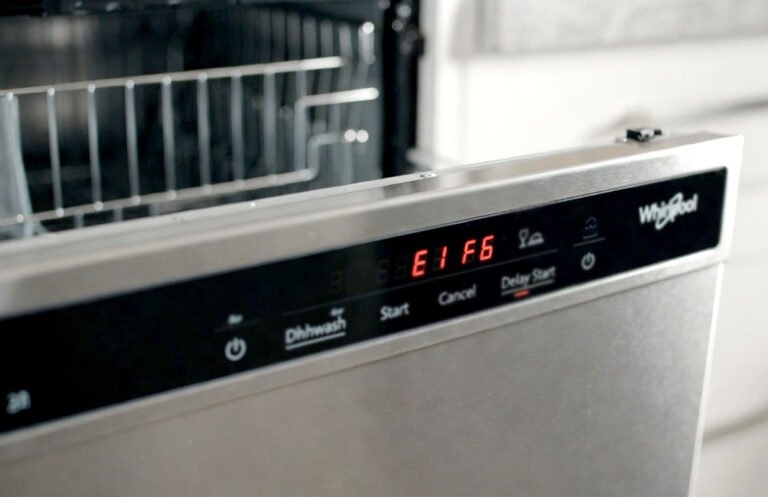
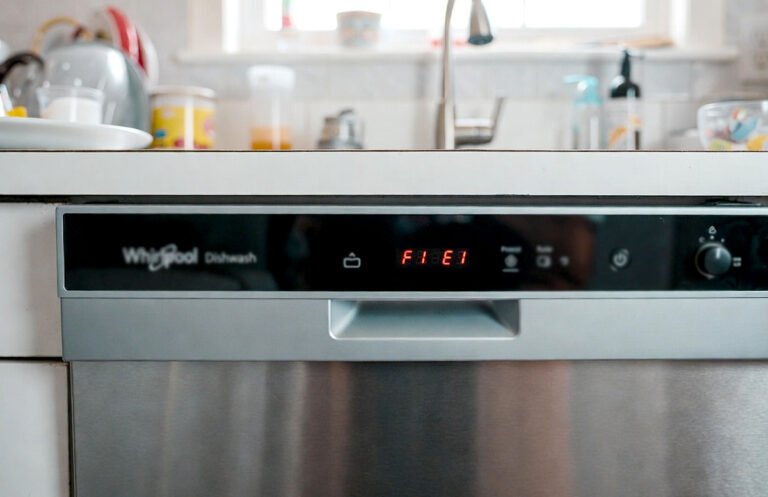
You don’t want to see blinking lights when you just want a clean plate. I have spent years staring at stubborn kitchen appliances. When a Maytag dishwasher error code E1 pops up, it usually means your machine is struggling to heat the water properly. You are in the right spot to learn how to fix this simple glitch yourself without paying for a professional repair.
First, turn off the power at the breaker to stay safe. Next, check the heating element at the bottom of your tub for any trapped debris or burnt spots. After that, inspect the wires connecting to the heater to ensure they aren’t loose. You should also test the water temperature sensor with a multimeter. Finally, verify that your home’s water supply provides hot water. Reset the machine after these quick checks to see if the error light disappears.
What Does This Error Code Actually Mean for Your Kitchen?
When you see that E1 light, your dishwasher is telling you it cannot get the water hot enough to clean your dishes. It is a safety feature. The machine refuses to run a cycle if it might leave your plates covered in grease or bacteria. It stops everything to protect your health and your dishes.
Most of the time, this happens because the heating element failed or a wire came loose. Sometimes, it is just a tiny glitch in the control board that needs a quick reset. I have seen many people panic and call a plumber, but you rarely need one. It is almost always a simple part you can swap out in your own garage or kitchen.
Take a deep breath because this isn’t the end of your machine. Most fixes take less than an hour. Grab a screwdriver and a flashlight, and let’s get to work.
- Check the breaker box.
- Inspect the heating element.
- Look for loose wires.
- Test the temperature sensor.
- Reset the control panel.
- Verify hot water supply.
Simple Steps to Clear the Maytag Dishwasher Error Code E1
Check the Heating Element for Debris
The heating element is the big metal coil at the bottom of your dishwasher. Food bits often get stuck around this coil. If something covers it, the heat cannot spread properly. This causes the sensor to trigger the error code.
I always tell people to use a soft brush to clear away any stuck grime. You don’t need harsh chemicals. Just use warm water and a little elbow grease. Be gentle so you don’t bend the coil.
If you see a black spot on the coil, it might be burnt out. You will need to buy a new part if it has a physical break. A broken coil simply won’t heat the water at all.
- Turn off the power first.
- Remove the bottom rack.
- Gently clean the metal coil.
- Look for visible cracks.
Inspect the Wiring Connections
Sometimes the heating element is fine, but the power isn’t reaching it. You need to look underneath the dishwasher to check the wires. The wires can vibrate loose over time because of the constant shaking.
Reach under the machine and find the terminal block. Check if any wires look burnt or melted. If they look good, give them a light tug to see if they are snug in their place.
If a wire is loose, just push it back into the connector. If the connector looks melted, you need to replace it. A bad connection causes resistance, which leads to heat and more errors.
- Remove the lower kick plate.
- Find the terminal block.
- Look for melted plastic.
- Ensure all wires sit tight.
Test the Water Temperature Sensor
The sensor tells the dishwasher when the water is hot enough. If this little part breaks, the machine thinks the water is cold even when it is hot. It is a small component, but it causes big headaches.
You can test it with a tool called a multimeter. If the reading stays at zero or stays at infinity, the sensor is dead. It is a cheap part and very easy to replace.
I keep a few of these in my toolbox because they fail more often than you would think. It is a very common fix for this specific warning light.
- Locate the sensor under the tub.
- Use a multimeter for testing.
- Check for electrical continuity.
- Replace if the test fails.
Reset the Control Board
Computers inside appliances act up sometimes. They get confused by a power surge or a weird electrical signal. A quick reset often wipes the memory and clears that pesky warning light.
To do this, turn off the power at the breaker for five minutes. This lets all the electricity drain out of the capacitors. Then, flip the power back on and try a test cycle.
It is like restarting your phone when it freezes. It is the oldest trick in the book, and it works surprisingly well for modern dishwashers.
- Turn off the breaker.
- Wait for five minutes.
- Flip the power back on.
- Run a short cycle.
Check Your Hot Water Supply
Your dishwasher needs hot water from your home to start the cycle. If your water heater is set too low, the dishwasher will struggle to reach the target temperature. It will time out and show the error.
Check the faucet at your kitchen sink. Turn it to hot and let it run for a minute. If it doesn’t get hot, you have an issue with your home’s water heater, not the dishwasher.
Make sure your home water heater is set to at least 120 degrees. This helps your machine work efficiently and prevents many common cycles from failing.
- Run the kitchen sink faucet.
- Check the water temperature.
- Adjust your water heater.
- Ensure the supply valve is open.
Clean the Filter Properly
A dirty filter keeps water from circulating well. When water doesn’t move, it doesn’t stay in contact with the heating element. This causes the sensor to read an incorrect temperature.
I pull my filter out every month to rinse it. It catches all the grease and gunk that prevents the dishwasher from working right. It is a simple step that stops many codes from appearing.
Never skip this step. A clean machine is a happy machine. It takes two minutes and saves you from a lot of future repair work.
- Remove the bottom spray arm.
- Twist the filter to unlock.
- Rinse it under hot water.
- Lock it back into place.
How Often Should You Perform Routine Dishwasher Maintenance?
You really should clean the filter once a month to keep things running smooth. If you have a big family, maybe do it every two weeks. Food buildup happens faster than you think. It is the easiest way to prevent most common errors.
Check the spray arms for clogs every few months as well. Bits of lemon peel or toothpick shards love to hide in those tiny holes. When water can’t spray, the machine can’t clean, and the sensors get confused.
Finally, keep an eye on your door seal. If it gets brittle or has a gap, you lose heat and water leaks out. A quick wipe with a damp cloth keeps it soft and tight for many years.
- Clean the filter monthly.
- Check spray arms quarterly.
- Wipe down door seals.
- Run a vinegar cycle.
- Check for rack rust.
- Tighten any loose screws.
| Part Name | Common Issue | Quick Solution |
| Heating Element | Burnt or broken coil | Replace the coil |
| Wiring | Loose or burnt wires | Tighten or replace wires |
| Temperature Sensor | Fails to read heat | Swap for new sensor |
| Control Board | Glitchy software | Perform a hard reset |
| Filter | Food debris buildup | Clean with hot water |
| Water Supply | Too cold or blocked | Adjust water heater |
Frequently Asked Questions
Is it hard to replace the heating element myself?
It is not hard at all if you have basic tools. You just need a screwdriver and maybe a pair of pliers. Most elements are held in by two nuts under the tub. You undo the nuts, pull the old one out, and slide the new one in. Just make sure the power is off.
Can a dirty filter cause this error code?
Yes, it certainly can. If the filter is full of grease and food, water cannot flow over the heating element correctly. The sensor detects that the water isn’t moving or getting hot, so it throws the error. Always clean your filter before you try more complicated repairs.
Do I need a special tool to reset the dishwasher?
No special tools are required. You just use your home’s circuit breaker to cut the power. It is the easiest way to reset the computer. If the error stays after a hard reset, then you know you have a real hardware issue that needs a physical repair.
Is it safe to run the dishwasher with this error?
It is not a good idea. The machine is telling you something is wrong with the heating process. Running it might damage other parts or just give you dirty, greasy dishes. It is much better to take an hour to fix it now than to deal with a broken machine later.
Can I fix this without buying new parts?
Often, yes. Many times the issue is just a loose wire, a dirty sensor, or a clogged filter. You might spend zero dollars if you just need to tighten a connection or clean the machine. Only buy parts if you see actual damage or if the tests show a failure.
Do I need to call a repair technician?
Most people can handle this repair without a pro. If you have checked the wires, cleaned the filter, and tested the sensor, you have covered almost every cause for this code. If the machine still won’t work after all that, then consider calling a professional for help.
Is the E1 error common for Maytag machines?
It happens sometimes, especially as machines get older. It is a well-known code, so there is plenty of information available to help you fix it. Because it is a common issue, the replacement parts are very easy to find at most appliance stores or online shops.
Can low water pressure cause this code?
Low water pressure can definitely contribute to the problem. If the tub does not fill enough, the water might not even touch the heating element. Make sure your water inlet valve is fully open and that your supply line is not kinked or pinched behind the dishwasher.
I hope this guide helps you clear that Maytag dishwasher error code E1 quickly. You have all the info you need to get your machine back in shape today. Just take your time, keep it simple, and work carefully. You have got this, and you will save yourself a good chunk of change by doing it yourself. You are ready to get those dishes sparkling clean again.